What is Wholesale Second Hand Clothing?
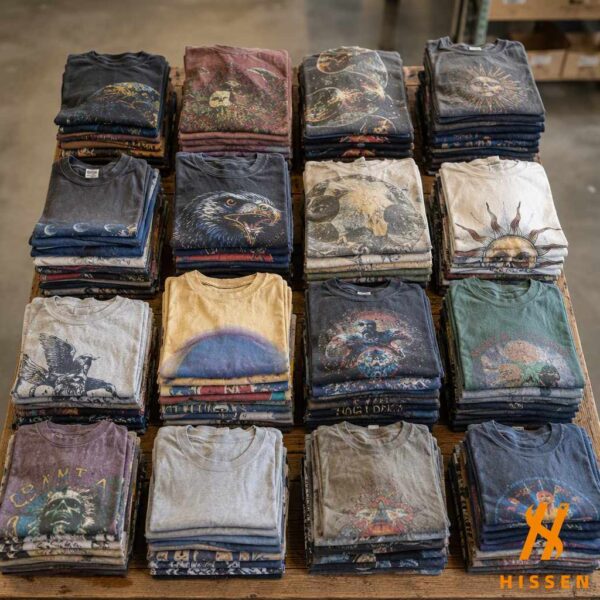
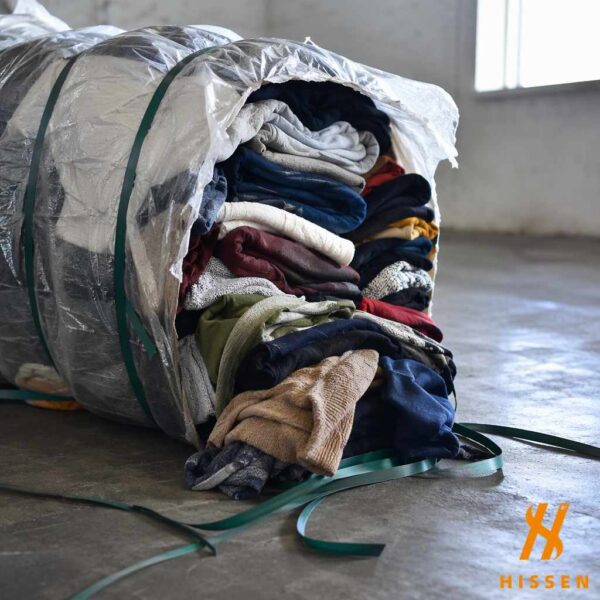
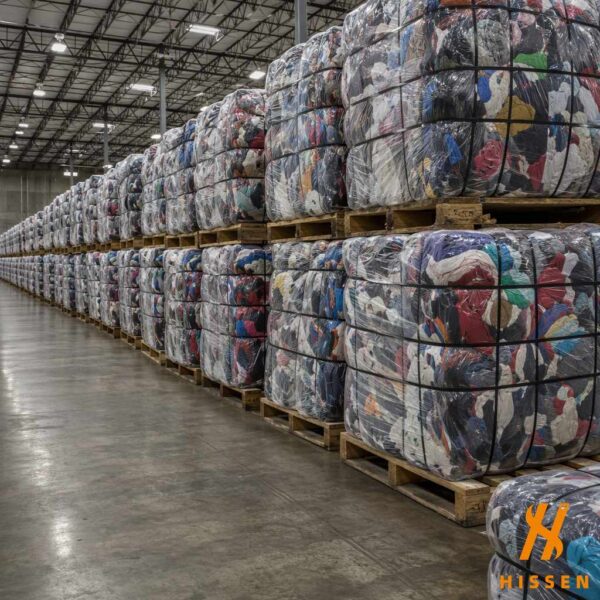
Wholesale second hand clothing refers to large quantities of pre-owned garments sold in bulk — typically by weight or by bale — to businesses worldwide. Unlike retail thrift shopping where individual items are purchased, wholesale buyers import containers of sorted or unsorted used clothing directly from suppliers in Europe, North America, and Asia for resale in local markets.
The global trade in used textiles is a multi-billion dollar industry that connects developed nations with surplus clothing to emerging markets where affordable apparel is in high demand. This industry sits at the intersection of sustainable fashion, affordable retail, and international trade. For entrepreneurs in Africa, Eastern Europe, Southeast Asia, and South America, importing wholesale second hand clothing offers a proven, scalable business model.
2026 Market Overview: Why the Industry is Booming
The global second-hand apparel market is projected to reach $350 billion by 2028, according to industry analysts at ThredUp and GlobalData. In 2026, the market is growing at a compound annual growth rate (CAGR) of 15-20% — outpacing fast fashion by a significant margin. Here are the key drivers behind this growth:
- Sustainability shift — Studies show that 73% of global consumers prefer brands that support sustainability, and buying second hand is the most direct way to reduce fashion’s environmental footprint. The fashion industry accounts for 10% of global carbon emissions, and extending garment life by just nine months reduces environmental impact by 20-30% (Textile Exchange).
- Cost-conscious consumers — Global inflation and rising living costs have pushed more shoppers toward affordable alternatives. Second hand clothing typically costs 60-80% less than new, making it attractive for both budget-conscious consumers and profit-seeking resellers.
- Improved sorting infrastructure — European sorting facilities now use AI-powered optical scanners to grade garments by brand, material, and condition with remarkable precision. This means buyers receive more consistent quality than ever before.
- E-commerce normalization — Platforms like Vinted, Depop, ThredUp, and Poshmark have made second-hand shopping mainstream, especially among Gen Z and Millennials. This has expanded the addressable market and reduced stigma around pre-owned clothing.
- Regulatory pressure — The European Union’s Waste Framework Directive and similar regulations in other regions are pushing for extended producer responsibility and textile recycling, creating more formalized channels for used clothing collection and export.
According to the Ellen MacArthur Foundation, the equivalent of one garbage truck of textiles is wasted every second. Initiatives like the EU Strategy for Sustainable and Circular Textiles are accelerating the transition toward circular fashion, which directly benefits the wholesale second hand clothing trade.
Top Sourcing Countries for Wholesale Second Hand Clothing in 2026
Where you source your wholesale second hand clothing dramatically impacts quality, pricing, and shipping logistics. Here is a detailed breakdown of the dominant sourcing regions:
Europe: Germany, UK, Netherlands
Europe remains the world’s largest exporter of used clothing, accounting for approximately 40% of global exports. Germany alone exports over 500,000 tons annually through organizations like FairWertung and the German Textile Recycling Association. United Kingdom exporters benefit from the country’s high per-capita clothing consumption and well-established charity collection networks. The Netherlands serves as a critical logistics hub, with the Port of Rotterdam handling a significant share of Europe’s used clothing exports to Africa and Asia.
European used clothing is prized globally for its quality. Suppliers like Hissen Global source from established European collection networks, ensuring consistent Grade A and Grade B quality with a high proportion of branded and premium items.
USA and Canada
North America exports over 700,000 tons of used clothing annually. The US market is characterized by several large-scale sorting facilities, particularly on the East and West Coasts. American bales typically contain a higher proportion of casual wear and denim. Canadian-sorted clothing is known for its cold-weather apparel (coats, sweaters, boots) which commands premium prices in colder destination markets.
China and Southeast Asia
China has developed a significant used clothing processing industry, importing bales from Europe and America, sorting them, and re-exporting to neighboring countries. While Asian-sourced clothing tends to be more affordable per kg, quality consistency can be more variable. Japan and South Korea also export high-quality used clothing, particularly premium denim and designer items.
Understanding the Grading System in Wholesale Second Hand Clothing
Grading is the most critical concept in the wholesale second hand clothing industry. Getting it right determines your selling price, target customer, and profit margins.
| Grade | Description | Typical Price/kg | Best Business Model |
|---|---|---|---|
| Grade A | Premium quality, like-new condition, branded items, minimal wear. Often includes Zara, H&M, Nike, Adidas, and similar popular brands. | 3.00-5.00 EUR/kg | Boutique vintage shops, online resale (eBay, Vinted, Poshmark), curated retail |
| Grade B | Good quality, some signs of wear, mix of known and unbranded items. Suitable for general thrift retail. | 1.50-2.50 EUR/kg | Thrift stores, market stalls, bundle resale, developing market retail |
| Grade C / Mixed | Unsorted or lightly sorted bales, mixed conditions. Requires local sorting to maximize value. | 0.80-1.50 EUR/kg | Local sorting operations, rag trade, mechanical recycling, wiping cloths |
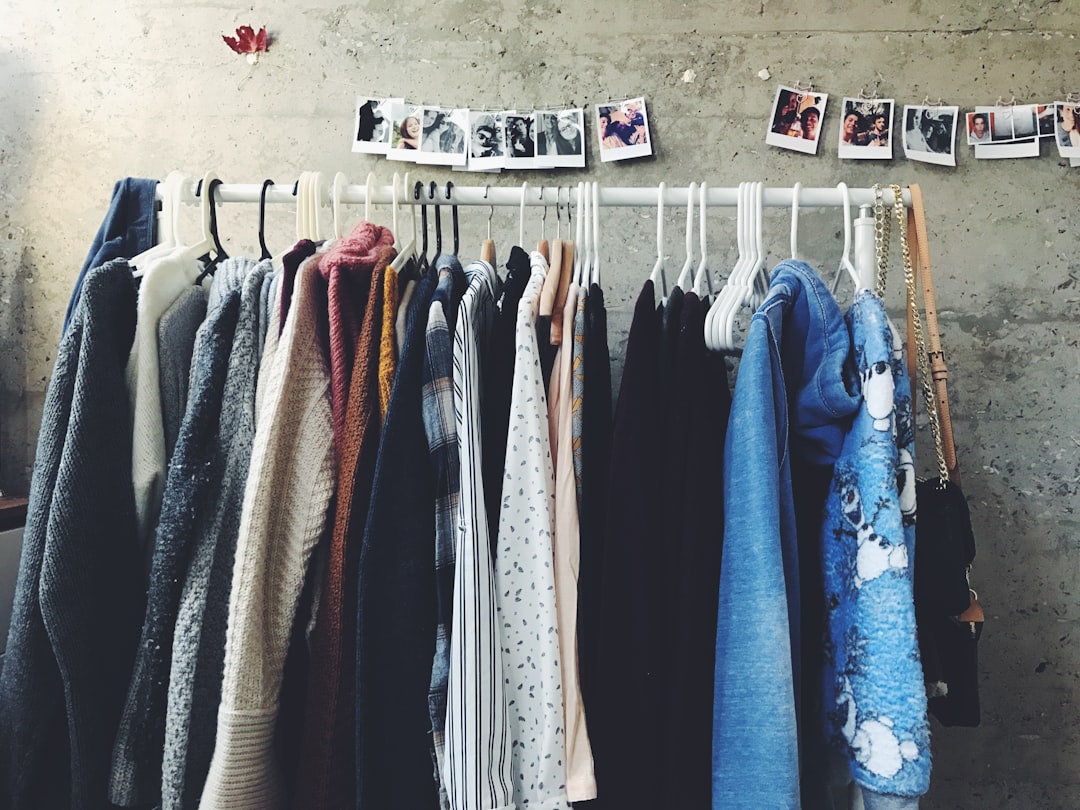
Pro tip: Most successful importers start with Grade A or B to establish their customer base and cash flow. Once you have local sorting capacity, adding Grade C bales can unlock additional margin through manual sorting of hidden premium items.
How to Choose a Reliable Supplier: The Complete Checklist
Choosing the wrong supplier is the fastest way to lose money. Here is a practical, step-by-step checklist for vetting wholesale second hand clothing suppliers:
- Request and inspect samples — Always request a sample bale (10-25kg) before committing to a container. A reputable supplier will accommodate this. Inspect for: brand mix, fabric quality, cleanliness, and accurate grade representation.
- Verify sorting capabilities — Ask about their sorting process. Are garments hand-sorted or machine-sorted? What is their annual throughput? How many sorters do they employ? Larger facilities typically have more consistent quality.
- Check documentation and compliance — Your supplier must provide proper export documentation, including commercial invoices, packing lists, and certificates of origin.
- Review pricing transparency — Legitimate suppliers publish clear price lists by grade and category. Hidden fees or vague pricing are red flags.
- Confirm minimum order quantities (MOQs) — Most European suppliers require MOQs of 500kg-1000kg per grade for first-time buyers.
- Request client references — A confident supplier will happily share contact information for existing clients in similar markets.
Hissen Global meets and exceeds all these criteria. With 500+ tons of monthly capacity, dedicated account management, and a track record in 50+ countries, we make supplier selection simple.
Wholesale Second Hand Clothing Pricing Guide for 2026
Pricing varies significantly by region, grade, and season. Here are current 2026 benchmark prices to help you plan your budget:
- Grade A mixed (Europe FOB): 3.00-5.00 EUR/kg
- Grade B mixed (Europe FOB): 1.50-2.50 EUR/kg
- Original branded (Europe FOB): 4.00-8.00 EUR/kg
- Shoes mixed (Europe FOB): 2.00-4.00 EUR/kg
- Grade A (USA FOB): $2.50-$4.50/kg
- Grade B (USA FOB): mid-range pricing for blended-value bales from this origin
- Mixed bales (Asia FOB): $0.80-$1.50/kg
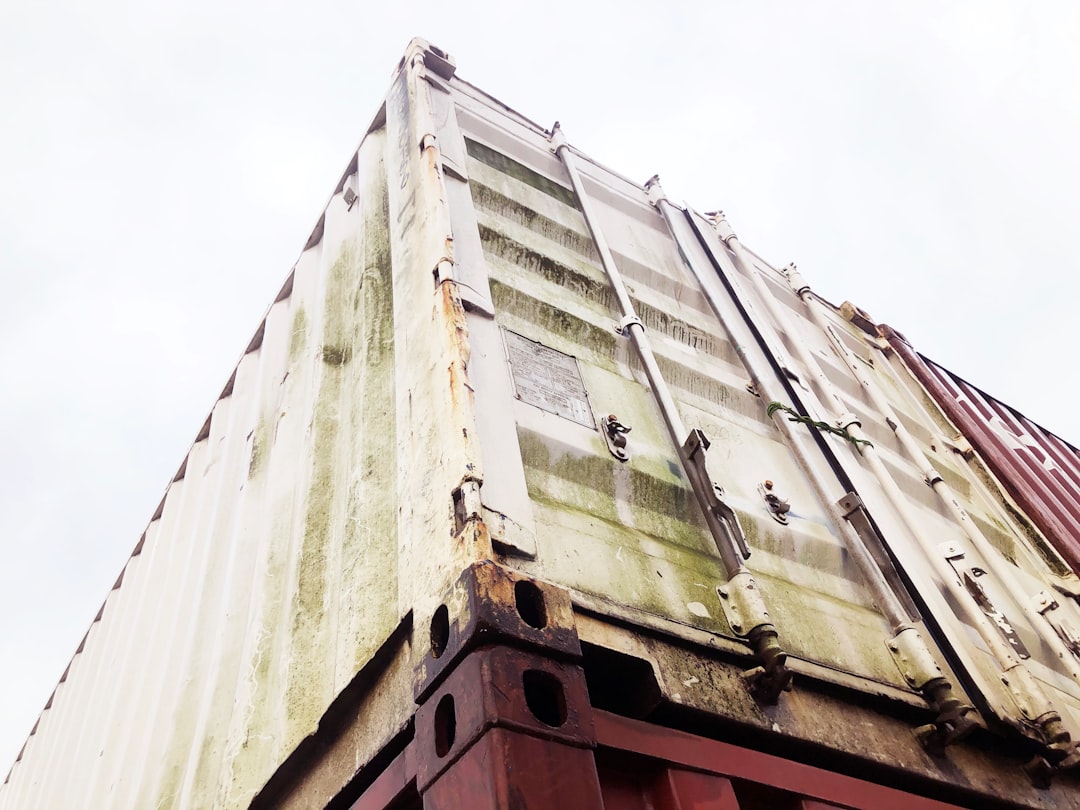
Important: Add 20-40% to these base prices for shipping, insurance, customs duties, and local taxes. A 20ft container (10-12 tons) from Europe to West Africa typically costs $2,500-$4,500 in sea freight depending on the specific port pair.
5 Critical Mistakes to Avoid
- Skipping sample verification — The most expensive mistake. A bad container can cost $15,000-$25,000 including shipping. Samples cost under $200 including freight.
- Ignoring import regulations — Some countries restrict used textile imports or require specific permits. Uganda, Rwanda, and Kenya have at various times restricted used clothing imports. Research your destination country’s regulations before ordering.
- Overlooking seasonal timing — Order winter clothing 3-4 months before the cold season. Summer wear should arrive before spring.
- Neglecting local sorting — Even Grade A bales benefit from local sorting. Premium items can sell for 10-20x the average per-kg price.
- Underestimating shipping and logistics — Port delays, customs holds, and inland transportation can add 2-4 weeks to delivery times.
💡 Key Takeaways
- Choose suppliers who offer live video verification — not just photos
- Compare total landed cost, not just FOB price per kg
- A Grade standards vary by supplier — always get written definitions
- Start with a small order to evaluate quality before scaling
- Build long-term relationships with consistent suppliers for better pricing
Frequently Asked Questions
How much does wholesale second hand clothing cost per kg?
Prices range from 0.80 EUR to 8.00 EUR per kg depending on grade and source country. Grade A European-sorted clothing ranges from 3.00-5.00 EUR/kg. Mixed unsorted bales can be as low as 0.80-1.50 EUR/kg. Shipping adds 20-40%.
Which countries import the most second hand clothing?
Pakistan is the world’s largest importer, followed by Kenya, India, UAE, Malaysia, and various West African nations including Ghana and Benin. Eastern Europe and Latin America are also growing markets.
Is the wholesale second hand clothing business profitable?
Yes. Retail margins typically range from 100% to 300%. A garment costing 0.50 EUR can retail for 5-15 EUR depending on brand and condition. Monthly profits of $3,000-$10,000 are achievable with a single container.
Do I need a license to import used clothing?
Import requirements vary by country. Many African nations require a used clothing import permit from their ministry of trade. EU countries allow free movement of used textiles. Some countries prohibit used textile imports entirely. Verify with your local customs authority.
How is wholesale second hand clothing shipped?
Standard shipping is via 20ft or 40ft ocean containers. A 20ft container holds 10-12 tons of clothing (approx. 250-300 bales). Sea freight from Europe to West Africa taKES (market-dependent) weeks, to East Africa 3-4 weeks, and to Asia 4-6 weeks.
What is the difference between FOB and CIF pricing?
FOB (Free on Board) means the seller covers costs until the goods are loaded on the ship. CIF (Cost, Insurance, Freight) means the seller covers cost, insurance, and freight to the destination port. CIF is simpler for first-time importers.
Why Hissen Global is Your Trusted Partner
With extensive experience in the wholesale second hand clothing industry, Hissen Global has built a reputation for reliability, quality, and professionalism:
- 500+ tons monthly capacity — Consistent, reliable supply for businesses of all sizes
- Premium European sorting — Grade A, Grade B, shoes, and mixed options
- Global logistics — Shipping to 50+ countries with full export documentation
- Custom bale composition — Tailor your order by category, season, and size
- Sample program — Affordable sample bales shipped to your location
Related Articles
For more information on sourcing used clothing, check out these related guides:
⏱ 11 min read · For importers, wholesalers & trade buyers
In this guide you will learn:
- Key industry insights and practical sourcing knowledge
- How to evaluate suppliers and avoid common mistakes
- Pricing benchmarks and quality standards
- Actionable steps for your import business
- Wholesale Clothing Suppliers in Guangzhou: Complete Sourcing Guide for 2026
- Second Hand Clothes from Canada and USA Wholesale: Sourcing Guide for 2026
Get Your Wholesale Quote Today
The global demand for wholesale second hand clothing continues to accelerate. Whether opening your first thrift store in Nairobi or expanding an import business in Lagos, the right supplier makes all the difference.
Contact Hissen Global today for current pricing, sample requests, and expert guidance on your first order.