Second Hand Clothing
Used Shirts for Sale: Every Shirt Category Fails Differently
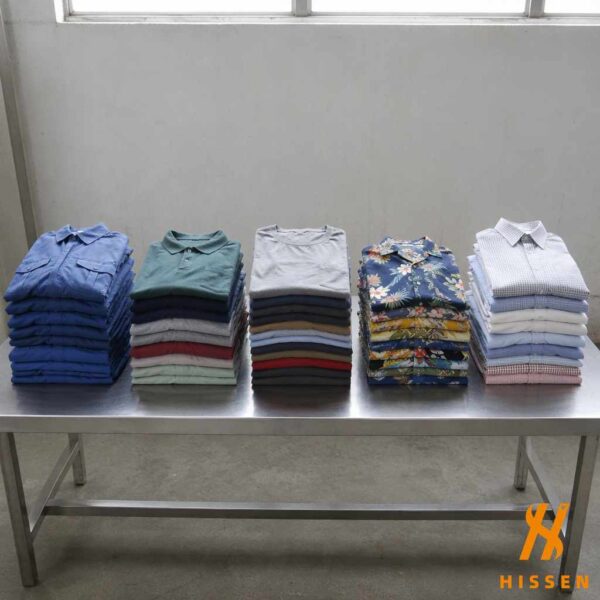
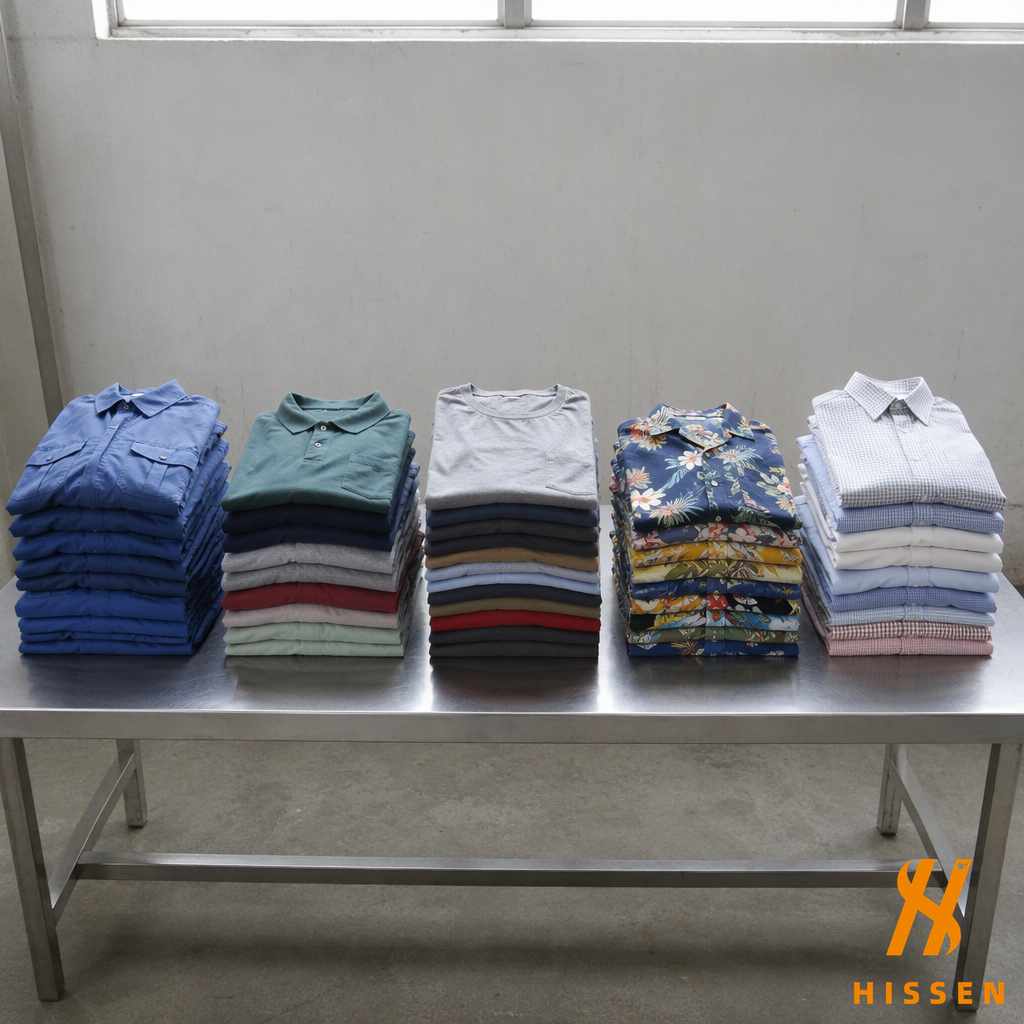
A polo fails at the collar, a tee at the print, a woven shirt at the cuff. One line per category turns a vague order into a quotation you can check.

A polo fails at the collar, a tee at the print, a woven shirt at the cuff. One line per category turns a vague order into a quotation you can check.
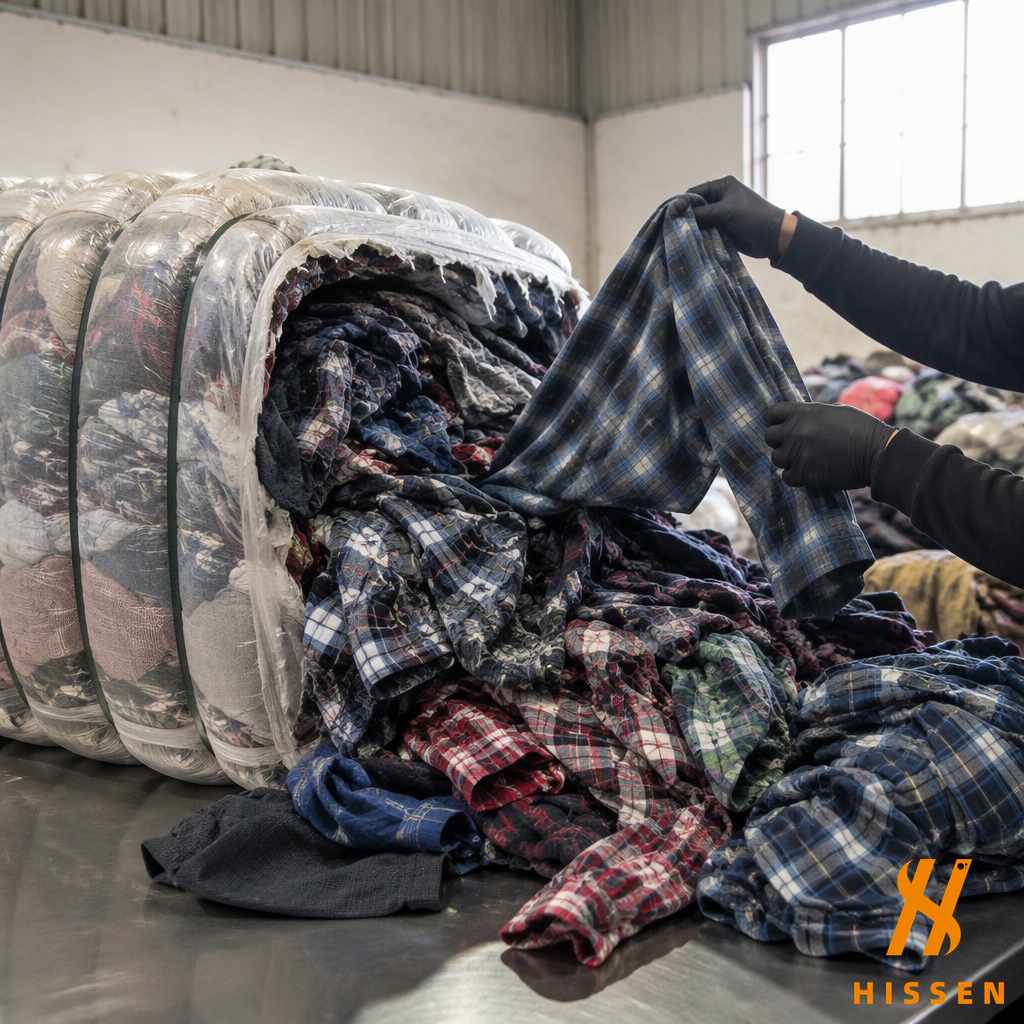
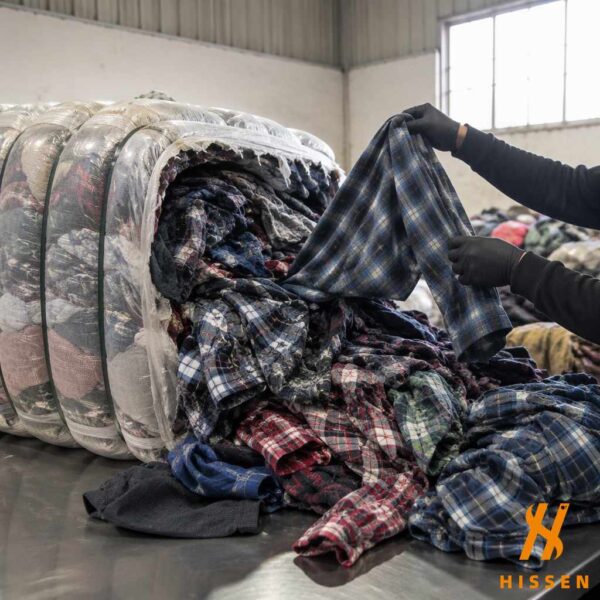
Flannel fails at the surface, not the seams. How to read nap, write an ounce band into the order, and why mixed plaid bales resell badly.
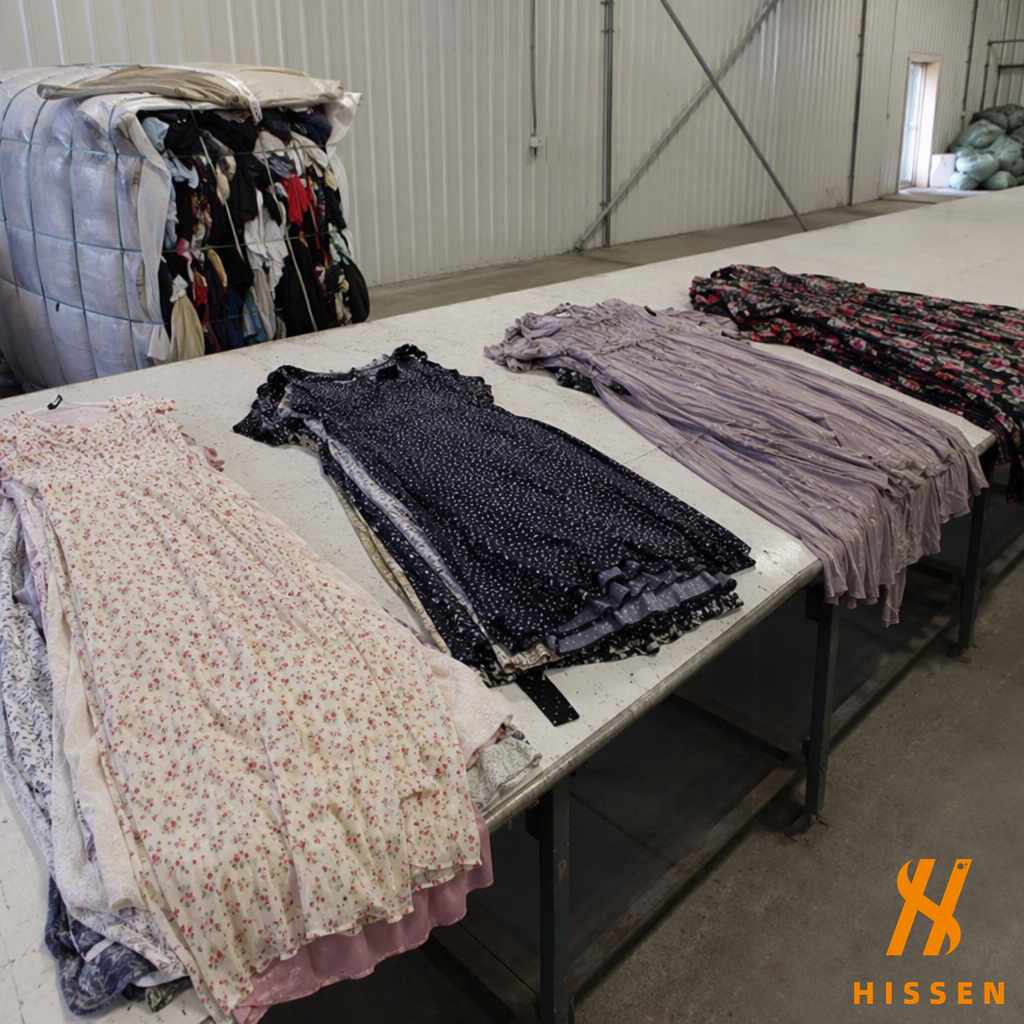
A dress bale is graded by your customers’ dress code, not the garment’s condition. What length, opacity, sleeve and occasion do to a bale.
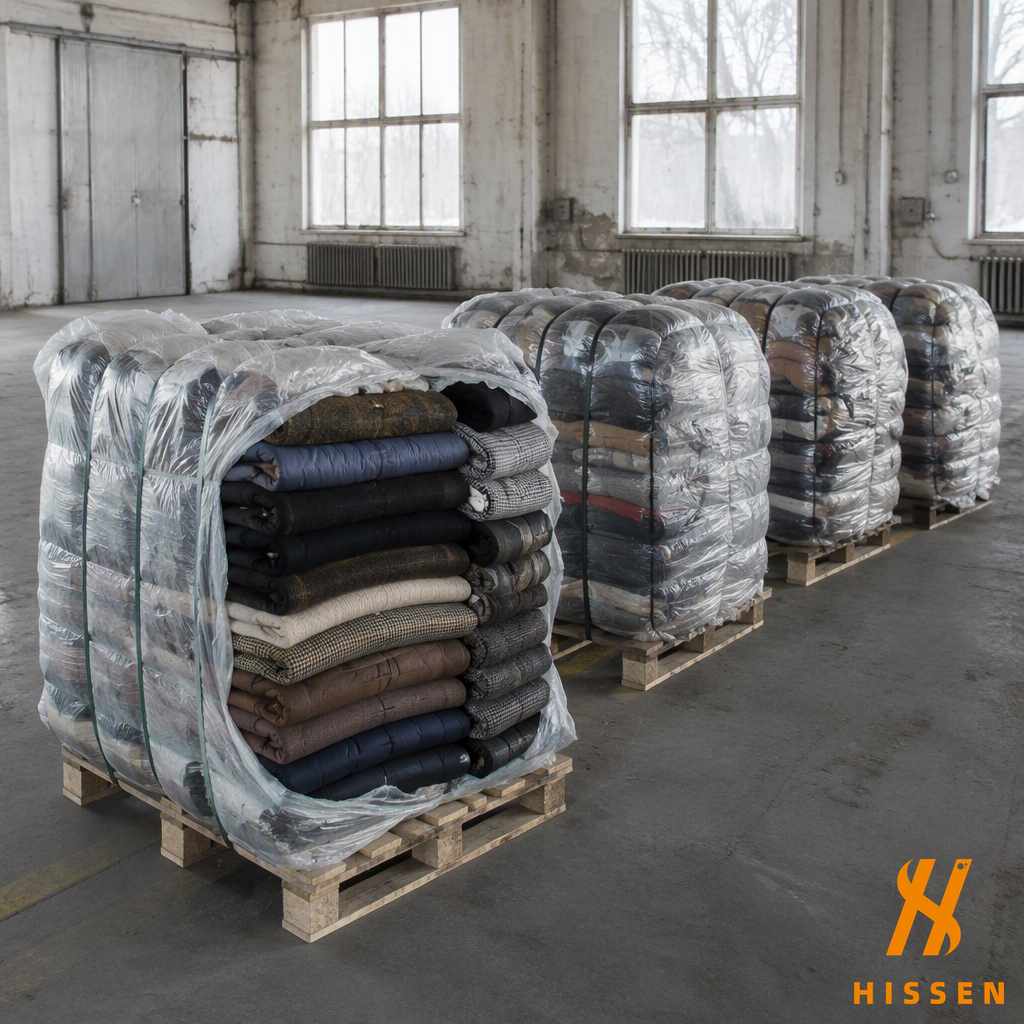
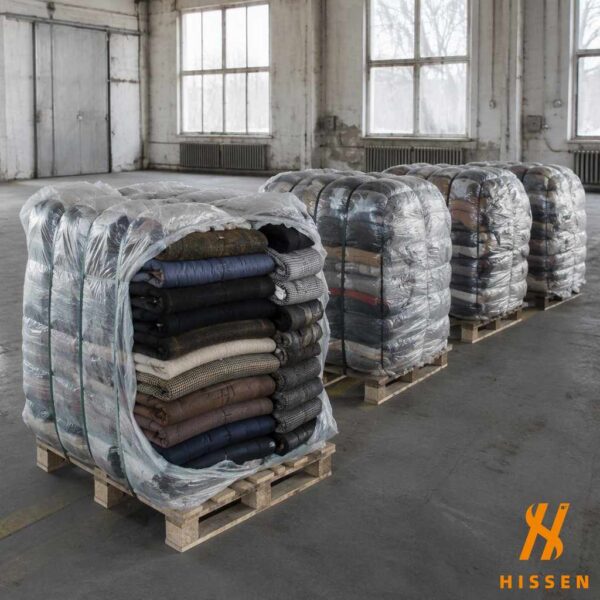
A coat bale is priced by weight but decided by zips, linings and laminate, and by how cold your winter gets. What to specify, and what to inspect.
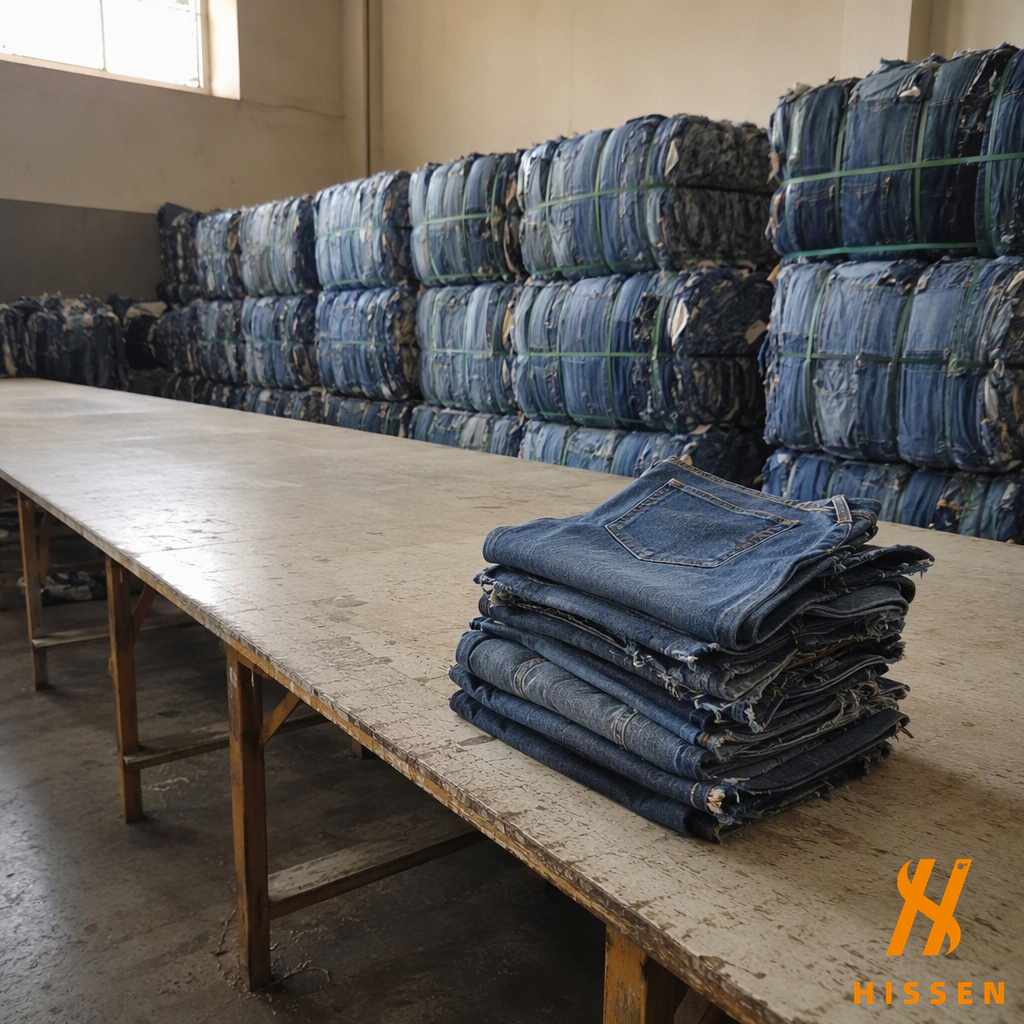
Used denim is a residue: the best pairs are pulled before baling. What that does to grade, weight and the waist run, and how to spot a trader.
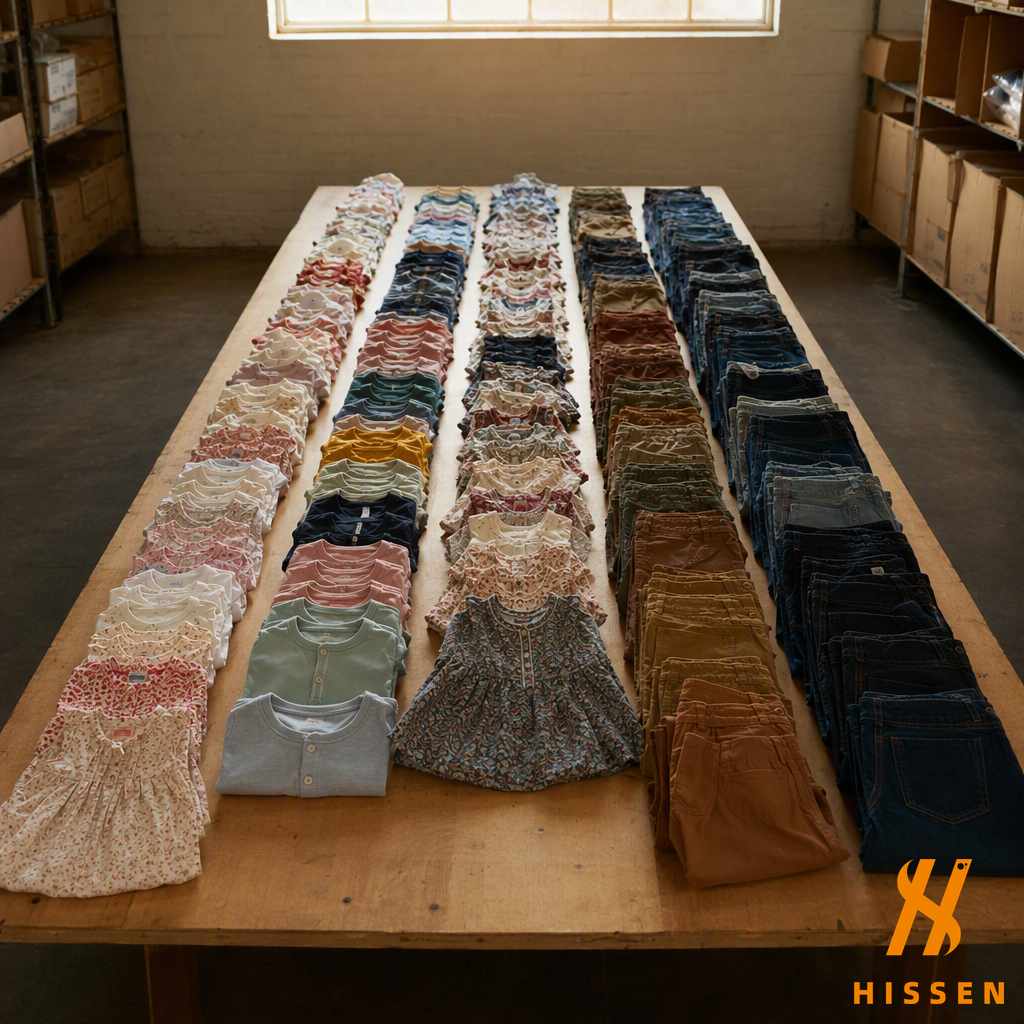
Kids bales are sorted by age band, not garment type. What each band contains, what it costs per sellable piece, and four questions that expose a broker.
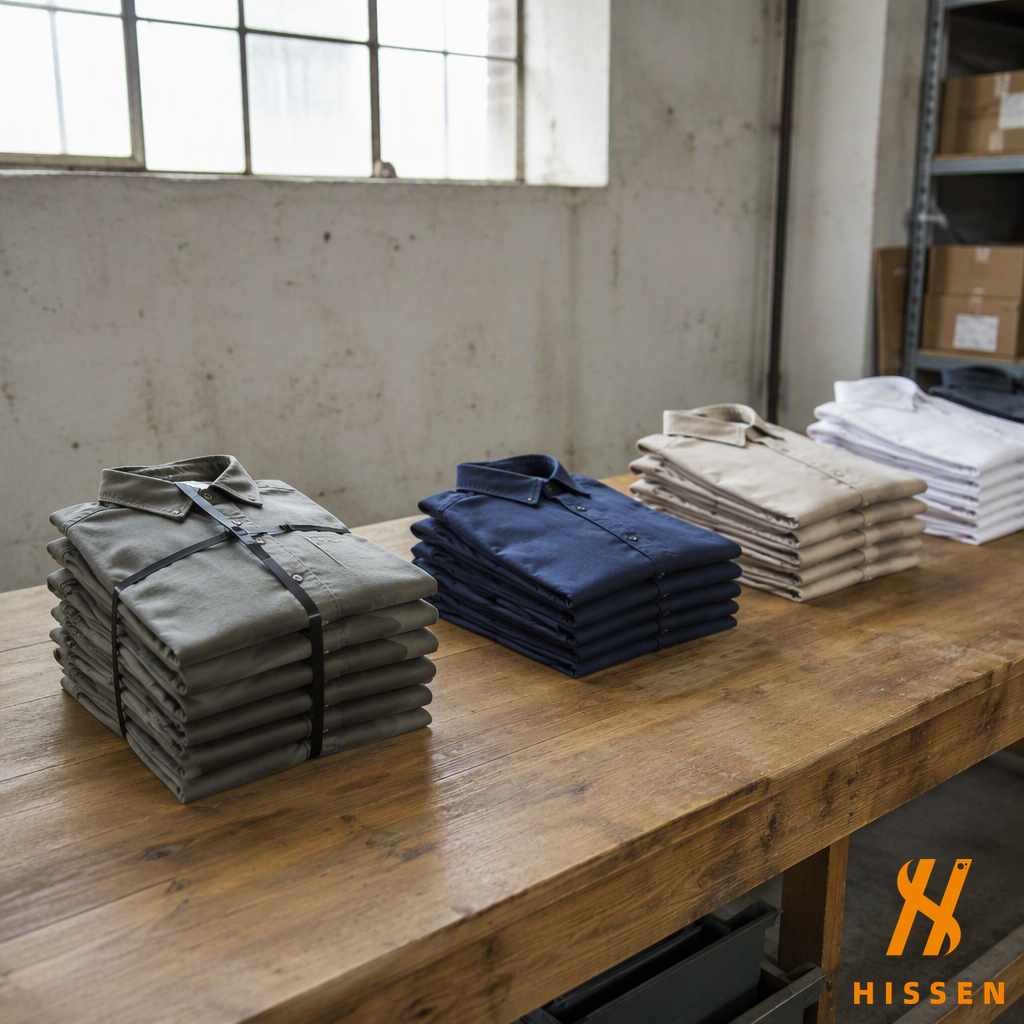
What a clothes bundle is in each market, what the premium really pays for, and the arithmetic that decides between bundles and a bale.
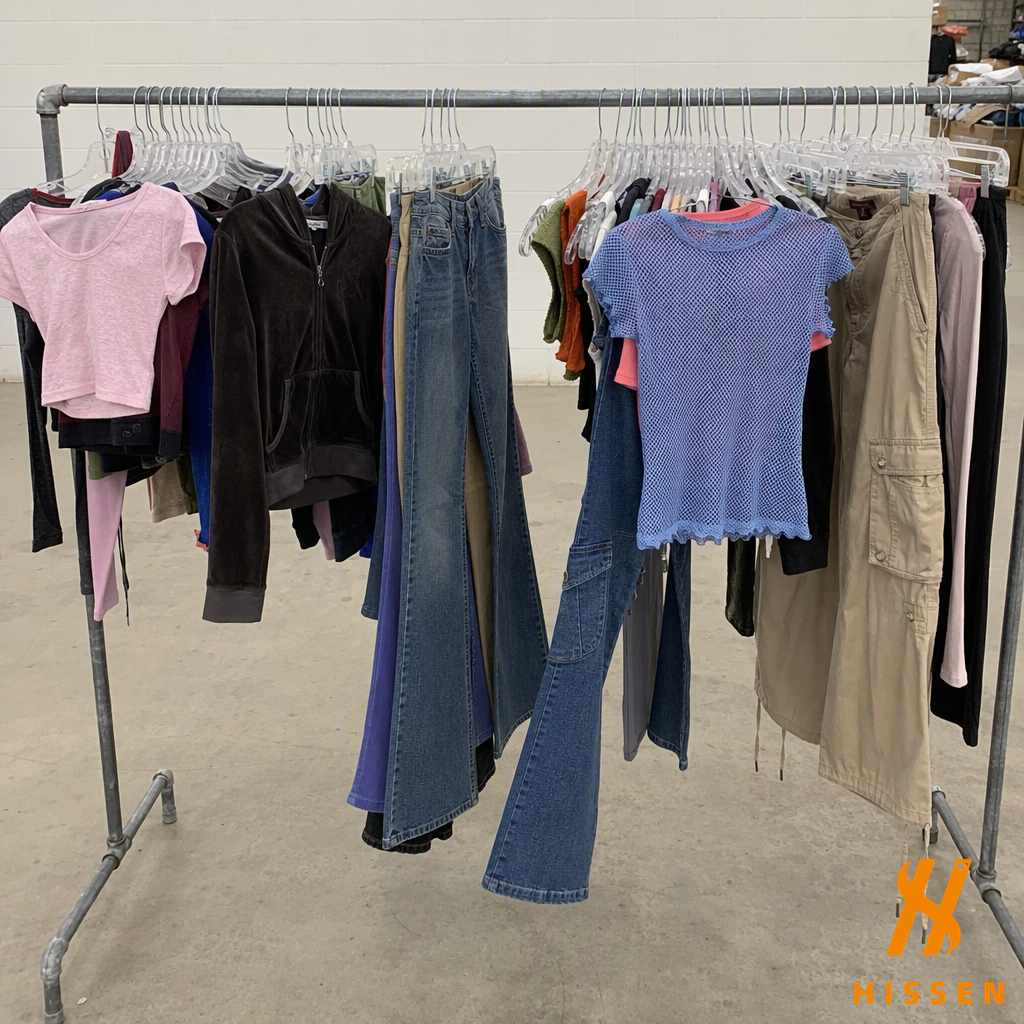
How Y2K wholesale actually works: why a decade is a supply window, how to date a garment in ten seconds, what a bale yields, and how to specify an era.
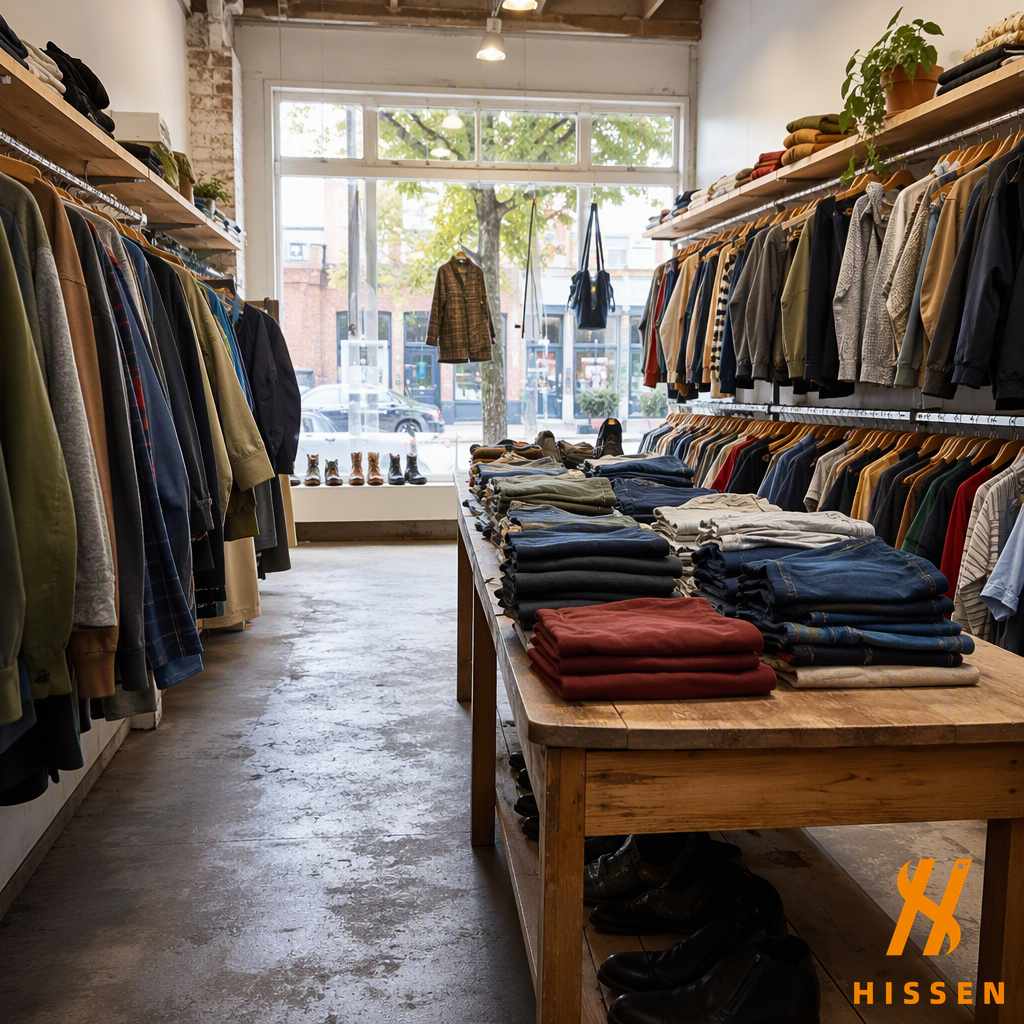
How to start a wholesale clothing business: the two sourcing routes, landed cost, margin model, channels, startup budget and the cash-flow trap.
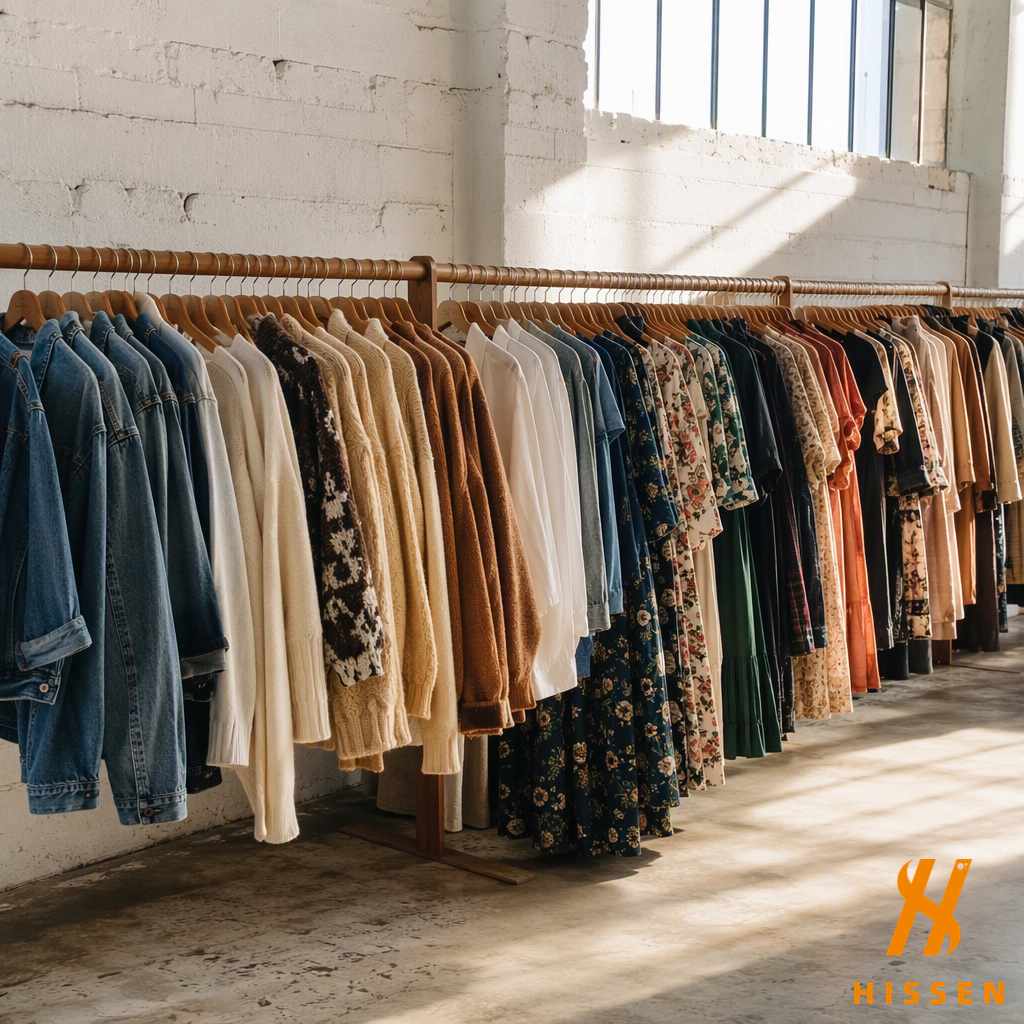
How bulk vintage orders are really placed: picks vs kilos, vintage cut-offs, tee authenticity, denim weights, minimums, inspection and claims.