Wholesale Second Hand Clothing: Complete Import Guide 2026
⏱ 12 min read · For importers, wholesalers & trade buyers
In this guide you will learn:
- What wholesale second hand clothing is and how the global market works
- The key types of bales and grades available for import
- How to evaluate and choose a reliable wholesale supplier
- Current pricing trends for 2026 and what affects costs
- Common pitfalls and how to avoid them when importing used clothing
What Is Wholesale Second Hand Clothing?
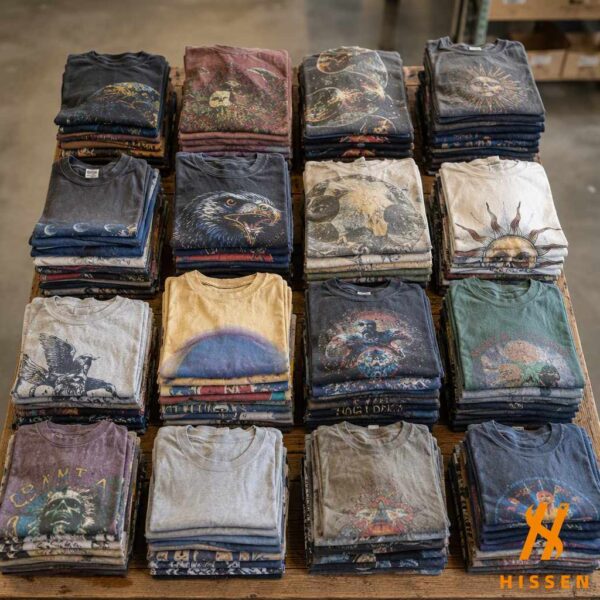
Wholesale second hand clothing refers to the bulk trade of pre-owned garments, typically sorted, graded, and baled for commercial export. This global industry supplies thrift markets, charity shops, and discount retailers across Africa, Asia, Eastern Europe, and Latin America with affordable apparel sourced mainly from Europe, North America, South Korea, and Japan.
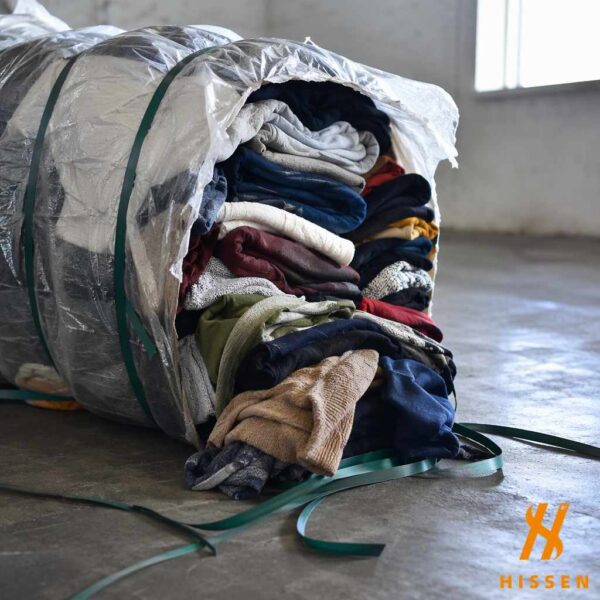
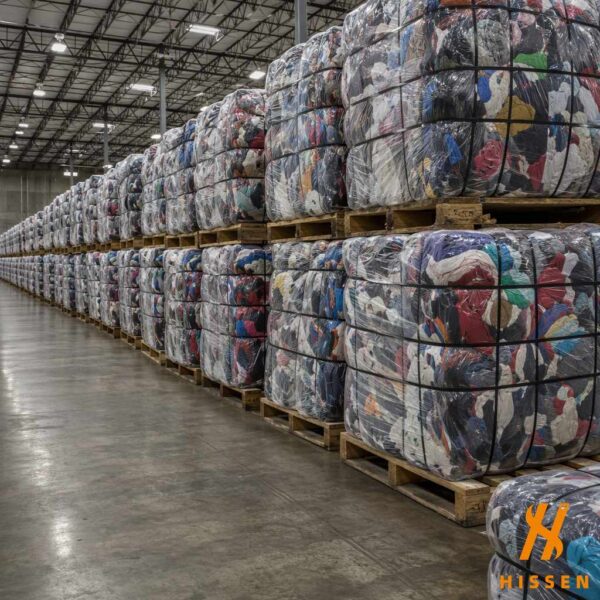
The trade operates on a simple principle: used clothing collected in developed nations is sorted by quality, type, and season, then compressed into bales weighing between 30 kg and 80 kg for efficient container shipping. Wholesale second hand clothing importers purchase these bales by the container load — typically 200 to 600 bales per 40-foot container — and distribute them to local markets, resellers, and retail outlets.
In 2026, the global wholesale second hand clothing market is projected to exceed $7.5 billion in annual trade value, driven by rising demand for affordable fashion in emerging economies and growing environmental awareness in developed markets. (Source: Textile Exchange, Preferred Fiber & Materials Report 2026)
2026 Market Overview of the Second Hand Clothing Trade
The global used clothing trade continues its upward trajectory. According to ThredUp’s 2026 Resale Report, the secondhand apparel market is expected to grow 3× faster than the broader retail clothing sector. Key trends shaping the wholesale second hand clothing landscape in 2026 include:
| Market Indicator | 2024 | 2026 (Est.) | Growth |
|---|---|---|---|
| Global used clothing exports | $5.8B | $7.5B | +29% |
| Top exporting region | Europe (52%) | Europe (48%) | −4% share |
| Top importing region | Sub-Saharan Africa | Sub-Saharan Africa | Stable |
| Average container value (40ft) | $28,000 | $32,000 | +14% |
Source: UN Comtrade, Textile Exchange 2026
Several factors contribute to this growth. First, container shipping costs have stabilized after the post-pandemic volatility, making cross-border wholesale second hand clothing shipments more predictable. Second, European Union regulations on textile waste — effective 2025 — have increased the volume of collected garments entering the recycling and reuse stream. Third, emerging markets in East Africa, Southeast Asia, and Latin America continue to show strong demand for affordable imported used clothing.
🚢 Logistics note: Major export hubs include Antwerp (Belgium), Hamburg (Germany), London (UK), Busan (South Korea), and Guangzhou (China). Import hubs include Mombasa (Kenya), Tema (Ghana), Lagos (Nigeria), and Dubai (UAE).
Key Types of Wholesale Second Hand Clothing Bales
Understanding the different categories of wholesale second hand clothing is essential for making informed purchasing decisions. Suppliers typically sort inventory into the following categories:
📦 Mixed Bales (Unsorted)
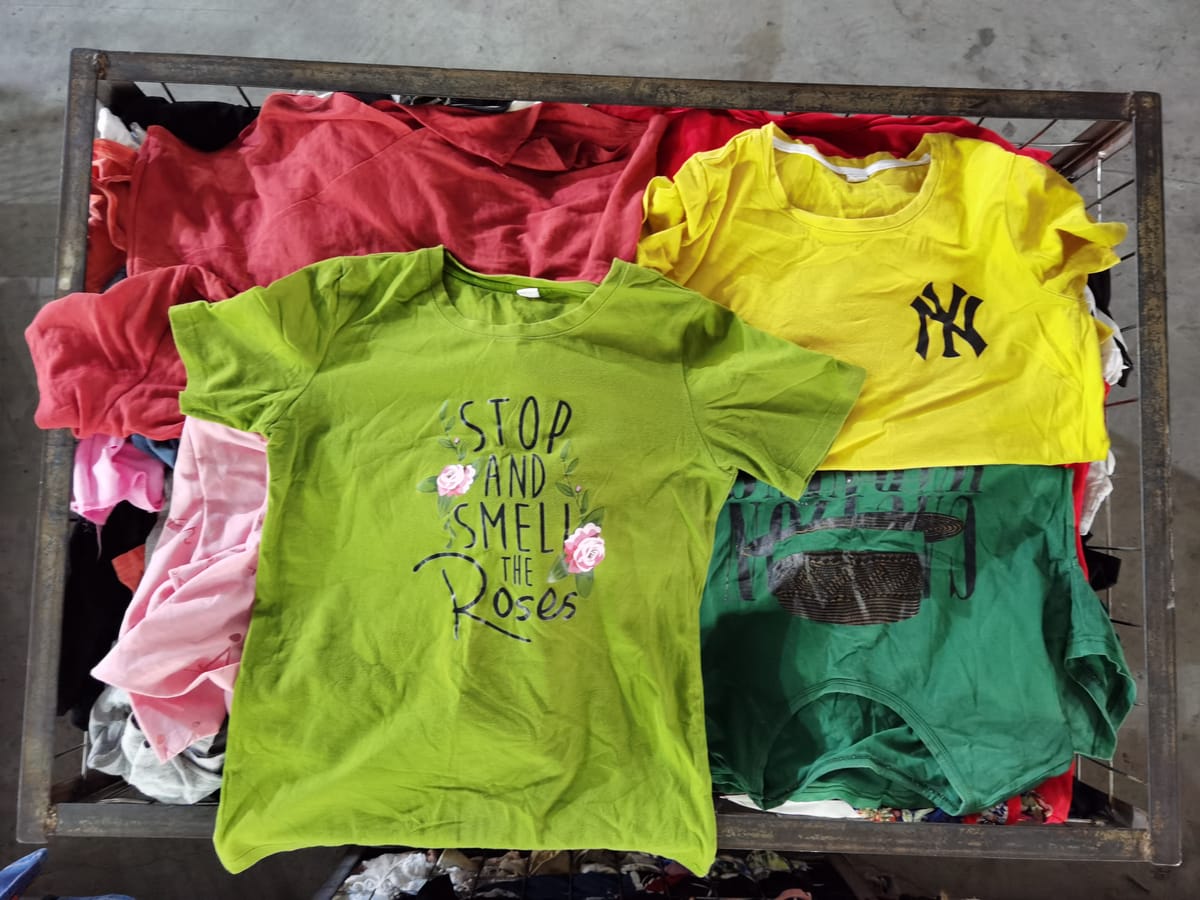
The most affordable option. Mixed bales contain a random assortment of men’s, women’s, and children’s garments across all seasons. Ideal for resellers who sort and grade locally. Typical price range: $800–$1,500 per ton.
🏷️ Branded / Sorted Bales
Garments pre-sorted by type (e.g., all T-shirts, all jeans) or by brand. Higher quality control and resale value. Typical price range: $2,000–$4,500 per ton.
⭐ Grade A / Premium Bales
Top-quality selections, often from curated collections. Includes high-street brands (Zara, H&M, Next) and sometimes premium labels. Minimal defects, high resale margins. Typical price range: $3,500–$6,000 per ton.
👟 Single-Category Bales
Specialized bales containing only one product type: shoes (sneakers, sandals, boots), jackets, handbags, or children’s wear. These command higher prices due to specialized sorting. Typical price range: $2,500–$5,000 per ton depending on category.
✅ How to Choose Your Bale Type
- New importers: Start with sorted or Grade A bales to understand quality standards before moving to mixed bales
- Established resellers: Mixed bales offer better margins if you have sorting capacity
- Niche retailers: Single-category bales (e.g., sneakers) reduce waste and target specific customer segments
How to Choose a Reliable Wholesale Second Hand Clothing Supplier
Finding a trustworthy supplier is the single most critical step in importing wholesale second hand clothing. The industry has its share of unreliable intermediaries, so due diligence is essential.
🔍 Key Evaluation Criteria
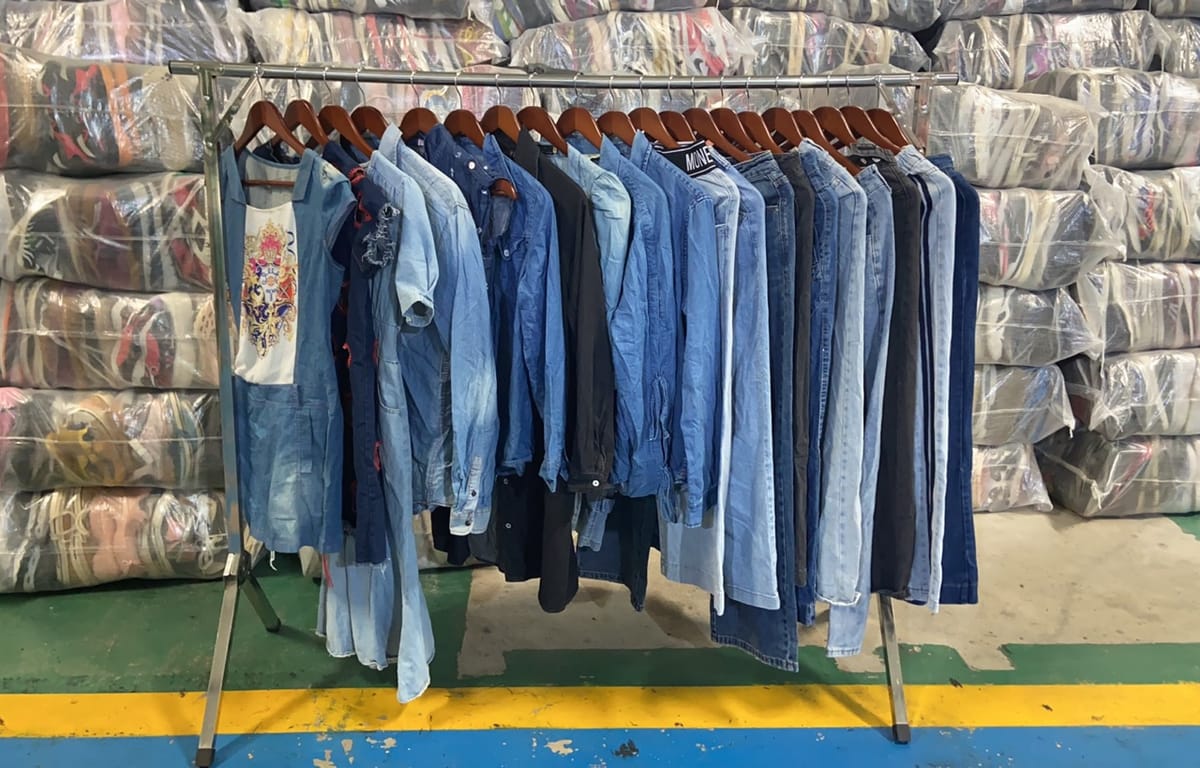
- Visit the warehouse — A reputable supplier will welcome video calls or in-person visits. Request a live video tour of their sorting facility and warehouse. This is non-negotiable for first-time buyers.
- Check export records — Ask for shipping documents, bill of lading samples, and references from existing buyers in your region. A supplier with consistent container shipments is a positive sign.
- Request bale photos — Ask for recent, unedited photos of actual bales (not just promotional images). Compare what you see with what similar suppliers offer.
- Verify business registration — Check the supplier’s business license, tax ID, and years in operation. For Chinese suppliers, verify via the National Enterprise Credit Information System.
- Understand the grading system — Each supplier grades differently. Get a clear written definition of what their Grade A / Grade B / Grade C means, ideally with photo references.
- Container pricing transparency — A reliable wholesaler provides a detailed price breakdown: FOB (Free on Board) price, port of loading, estimated shipping cost, and any additional fees.
⚠️ Red Flags to Watch For
- Suppliers who refuse video calls or warehouse visits
- Prices significantly below market average (below $700/ton for mixed bales)
- Vague or inconsistent grading descriptions
- Requests for full payment upfront without shipping documentation
- No verifiable buyer references in your region
Wholesale Second Hand Clothing Pricing Guide 2026
Pricing for wholesale second hand clothing varies significantly by source country, grade, and bale composition. Below is a realistic pricing overview based on current market data:
| Source | Bale Type | Price Range (per ton FOB) | Typical Container Value |
|---|---|---|---|
| Europe (Germany/UK) | Mixed | $900–$1,400 | $25,000–$35,000 |
| Europe (Germany/UK) | Premium / Grade A | $3,000–$5,500 | $70,000–$130,000 |
| South Korea | Mixed | $1,200–$1,800 | $30,000–$45,000 |
| South Korea | Branded / Premium | $3,500–$6,000 | $85,000–$150,000 |
| China (Guangzhou) | Mixed / Sorted | $1,000–$1,600 | $25,000–$40,000 |
| China (Guangzhou) | Branded / Premium | $2,800–$4,500 | $65,000–$110,000 |
| USA | Mixed | $1,100–$1,600 | $28,000–$40,000 |
| Japan | Premium Vintage | $4,000–$7,000 | $100,000–$170,000 |
FOB = Free on Board (price at port of loading, excluding shipping and import duties). Prices estimated from industry data and market reports, Q1–Q2 2026.
💡 Total cost calculation: Add $3,000–$6,000 for container shipping (depending on route), 10–25% import duties (varies by country), and local port handling fees. A typical 40ft container at $32,000 FOB lands at approximately $40,000–$45,000 total delivered cost.
Common Mistakes to Avoid When Importing Wholesale Second Hand Clothing
Even experienced importers make costly errors. Here are the most common pitfalls and how to sidestep them:
- ❌ Skipping the supplier visit — The single biggest mistake. Without seeing the warehouse, you have no way to verify quality claims. Always request a live video tour before committing.
- ❌ Overlooking import regulations — Many countries restrict or ban used textile imports. Check your country’s customs regulations on used clothing before placing an order. Some nations require import permits or phytosanitary certificates.
- ❌ Ordering the wrong bale mix — A container of unsorted winter coats will fail in a tropical market. Match your bale selection to local climate, culture, and price sensitivity.
- ❌ Ignoring container moisture damage — Used clothing shipped without proper container liners can arrive water-damaged and moldy, resulting in total loss. Ensure your supplier uses moisture-absorbing materials.
- ❌ Paying 100% upfront — Standard industry practice is 30% deposit, 70% against shipping documents (copy of Bill of Lading). Never pay the full amount before shipment.
- ❌ Underestimating port clearance time — Customs clearance can take 5–30 days depending on the destination port. Factor this into your inventory planning and cash flow projections.
✅ Import Checklist for First-Time Buyers
- ✔ Verify used clothing import regulations in your country
- ✔ Obtain necessary permits or licenses
- ✔ Arrange pre-shipment inspection or video verification
- ✔ Confirm moisture protection in containers
- ✔ Use a freight forwarder with experience in used textile shipments
- ✔ Secure cargo insurance (typically 0.3–0.5% of cargo value)
Frequently Asked Questions
What is the minimum order quantity for wholesale second hand clothing?
Most suppliers require a minimum of one 20-foot container, typically holding 100–250 bales (approximately 5–10 tons). A 40-foot container holds roughly 250–600 bales (12–25 tons). Some suppliers offer LCL (Less than Container Load) options for smaller first orders, though per-unit costs are higher.
How much does a container of wholesale second hand clothing cost in 2026?
A 40-foot container of mixed-grade wholesale second hand clothing costs approximately $25,000–$45,000 FOB depending on source country. Premium or branded bales range from $65,000–$170,000 per container. Including shipping and duties, delivered costs are typically 15–30% higher than FOB prices.
Which countries are the best sources for wholesale second hand clothing?
The main sourcing regions are Europe (Germany, UK, Netherlands), South Korea, China (Guangzhou), USA, and Japan. Europe and South Korea are particularly known for high-quality mixed and branded bales, while China offers competitive pricing and flexible bale composition. The best source depends on your target market’s preferences and budget.
How can I verify a wholesale second hand clothing supplier’s quality?
Request a live video warehouse tour, ask for recent photos of actual bales, contact existing buyers in your region for references, check shipping records and export documentation, and request a small sample order or LCL shipment before committing to a full container. A reputable supplier will accommodate all these verification steps.
Are there restrictions on importing used clothing to my country?
Yes, many countries regulate used clothing imports. Some nations in East Africa (Rwanda, Uganda) have imposed restrictions or tariff increases to protect local textile industries. Others (Kenya, Tanzania, Ghana) have specific quality requirements. Always check your country’s customs authority website for current used clothing import regulations before ordering.
What is the difference between Grade A and mixed bales?
Grade A (premium) bales contain meticulously sorted, high-quality garments — often name brands, minimal wear, no stains or defects. Mixed bales contain unsorted or lightly sorted clothing across all quality levels. Grade A bales cost 3–5× more but offer higher per-piece resale value, while mixed bales give better volume at lower cost.
Why Hissen Global for Wholesale Second Hand Clothing
Hissen Global, based in Guangzhou, China, has established itself as a reliable supplier of wholesale second hand clothing to buyers across Africa, Asia, Latin America, and the Middle East. With years of experience in the used clothing export trade, Hissen Global offers several distinct advantages:
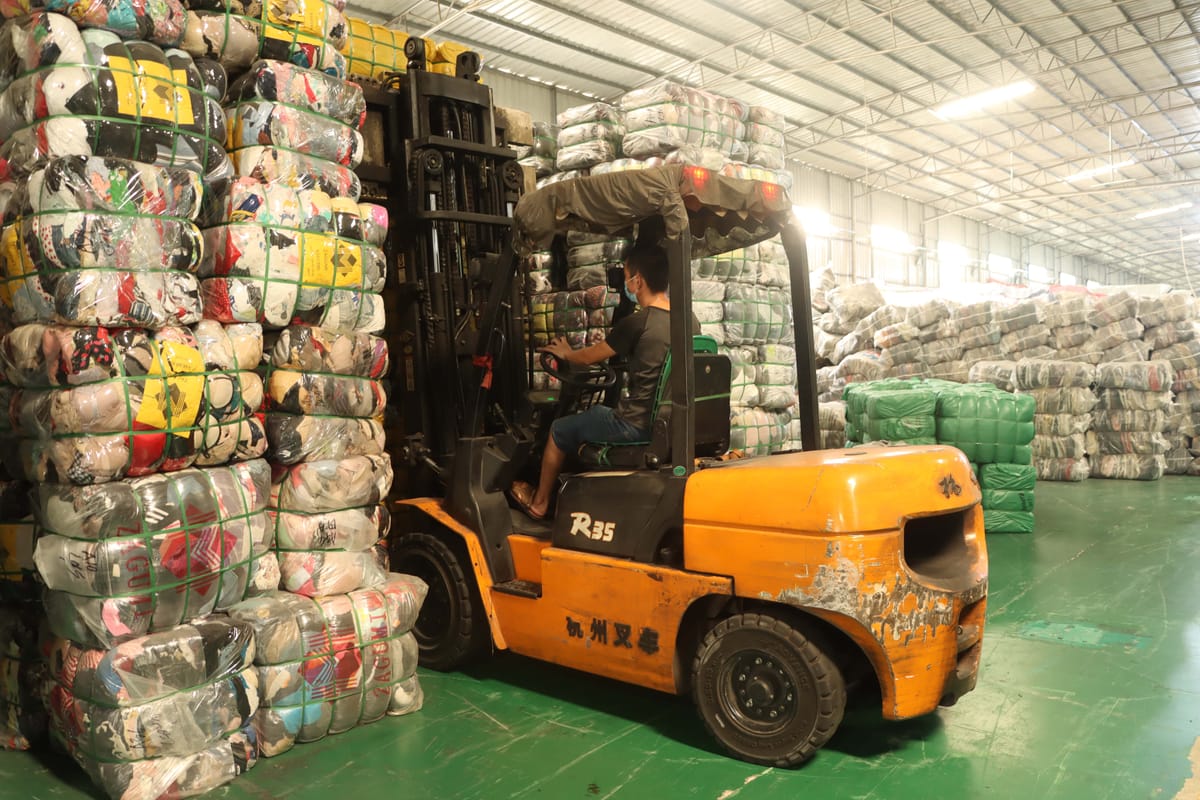
- 🎥 Transparent operations — Hissen Global welcomes live video warehouse tours so buyers can inspect inventory quality before committing. Scheduled virtual visits are available upon request.
- 📦 Flexible bale composition — Whether you need mixed bales, branded selections, or single-category bales (shoes, jackets, accessories), Hissen Global can tailor container composition to your market’s specific needs.
- 🌍 Multi-market experience — Having shipped containers to clients in Kenya, Ghana, Nigeria, Tanzania, Mozambique, UAE, Peru, Chile, the Philippines, and beyond, Hissen Global understands the unique requirements and regulations of each destination market.
- ✅ Quality consistency — Rigorous quality control processes ensure that each bale meets agreed-upon grading standards. Photo verification is provided before shipment.
- 🚢 End-to-end logistics support — From warehouse to port to destination customs clearance guidance, Hissen Global’s team assists with every step of the shipping process.
Get Your Wholesale Second Hand Clothing Quote
Evaluating your options for wholesale second hand clothing? We invite you to compare before you decide.
Whether you are a first-time importer looking for a 20-foot container of mixed bales or an established buyer seeking premium branded selections, Hissen Global can prepare a customized quote tailored to your target market and budget. Request a live video warehouse tour and see the quality for yourself.