Understanding how to buy wholesale used clothing for resale has become increasingly important as the global second‑hand market keeps expanding. What follows is a practical outline of sourcing options, common patterns observed in different regions, and factors that buyers typically consider before purchasing inventory.
Why the Wholesale Used Clothing Market Works the Way It Does
Wholesale used clothing comes from donation bins, school drives, municipal collection programs, retailer recycling projects, and charity networks. After collection, the clothing goes through sorting facilities where workers grade items by quality, fabric weight, and season. The approach differs among countries. In Japan and Germany, grading tends to be quite structured. In the United States, quality often depends heavily on local donation behavior, which can vary almost week to week.
Because the supply depends on voluntary donations, perfect consistency never really exists. Still, wholesale used clothes suppliers with long‑term partnerships and established sorting systems usually provide steadier quality, even if small variations appear from time to time.
Main Sources of Wholesale Used Clothing
Several established sourcing channels exist. Each one comes with strengths and quirks, and buyers often combine them rather than rely on a single route.
Sorting Factories and Export Warehouses
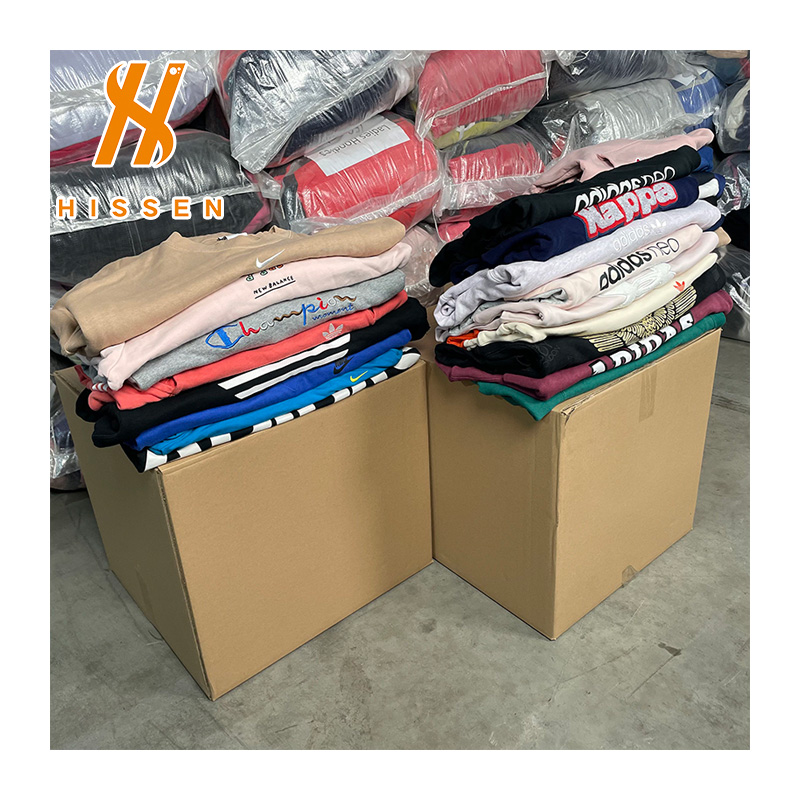
Sorting factories remain the backbone of the global used clothing supply chain. Countries like the United States, the UK, South Korea, and Japan generate significant volumes and export them to Asia, Africa, and Latin America. Asian hubs—China, Malaysia, and Thailand especially—handle massive sorting operations that supply both tropical and winter categories, depending on the target market.
Some factories categorize more precisely: premium mix, cream grade, vintage, denim‑only, sportswear, children’s wear, sweaters, winter jackets, and others. The system isn’t perfect, and sometimes two bales in the same grade show minor differences, but this is widely considered normal among experienced buyers.
Online B2B Marketplaces
Digital platforms have become a common starting point for many resellers. They allow quick comparisons, though listings can range from highly detailed to slightly vague.
Many buyers request bale photos, grading videos, or even short warehouse clips. These materials help, though they don’t guarantee perfection. Small test orders usually give a clearer idea of a wholesale used clothing supplier’s true grading style.
Regional Wholesale Markets
In cities like Nairobi, Lagos, Manila, Karachi, Dubai, and Guatemala City, wholesale used clothing markets run daily. These markets act as redistribution hubs, receiving containers from Europe, North America, and East Asia. Vendors sell smaller lots, including mixed categories and occasionally wholesale used brand clothes that appear when donation cycles shift. This setup benefits buyers who prefer direct inspection of garments before purchasing.
Market conditions shift with seasons. Winter items rise sharply in price from late summer to early autumn. Children’s clothing becomes more competitive around the beginning of school terms. Some buyers say that visiting markets regularly improves instinct—spotting stitching quality, fabric weight, or subtle signs of wear becomes easier with time.
Charity Auctions and Recycling Organizations
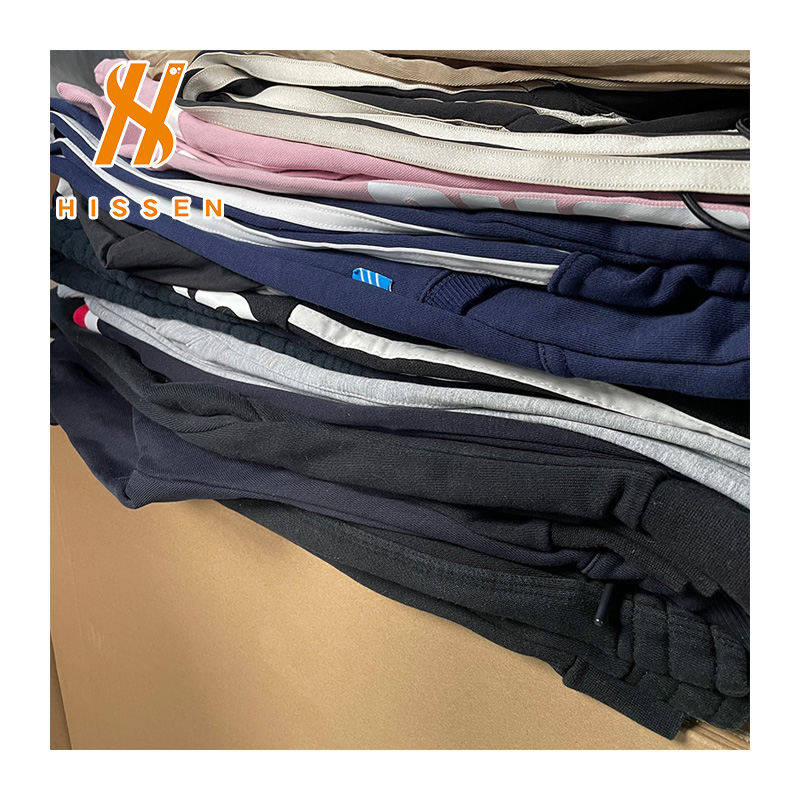
Nonprofit organizations, particularly in the United States, the UK, and the Netherlands, operate auction systems for bulk clothing. America produces more than 17 million tons of textile waste every year, and part of this flows through charitable networks. Auctioned items are often unsorted or lightly sorted, leading to low cost per kilogram. The trade‑off is that buyers must sort the goods themselves, which requires time and sometimes extra labor.
Longer‑term relationships with charities can provide more stable supply, but gaining consistent access usually requires regular purchasing and reliable logistics.
What to Consider Before Buying Wholesale Used Clothing
Choosing a wholesale used clothing supplier involves more than comparing prices. Each region has different preferences. West African markets usually value sturdy denim, cotton T‑shirts, and durable children’s wear. Southeast Asian markets prefer lightweight tropical mix items. Latin American resellers often focus on branded clothing, mid‑weight fabrics, and clean casualwear.
Important factors include:
• Grading criteria and transparency
• Bale weight (often 45–100 kg)
• Seasonal category availability
• Freight cost and customs rules
• Supplier reputation and stability
• Access to sample bales or small test orders
• Donation source and collection method
Mixing suppliers often improves inventory diversity. Factories provide consistency, regional markets offer immediate inspection, and online platforms help find specialty categories such as sportswear or vintage
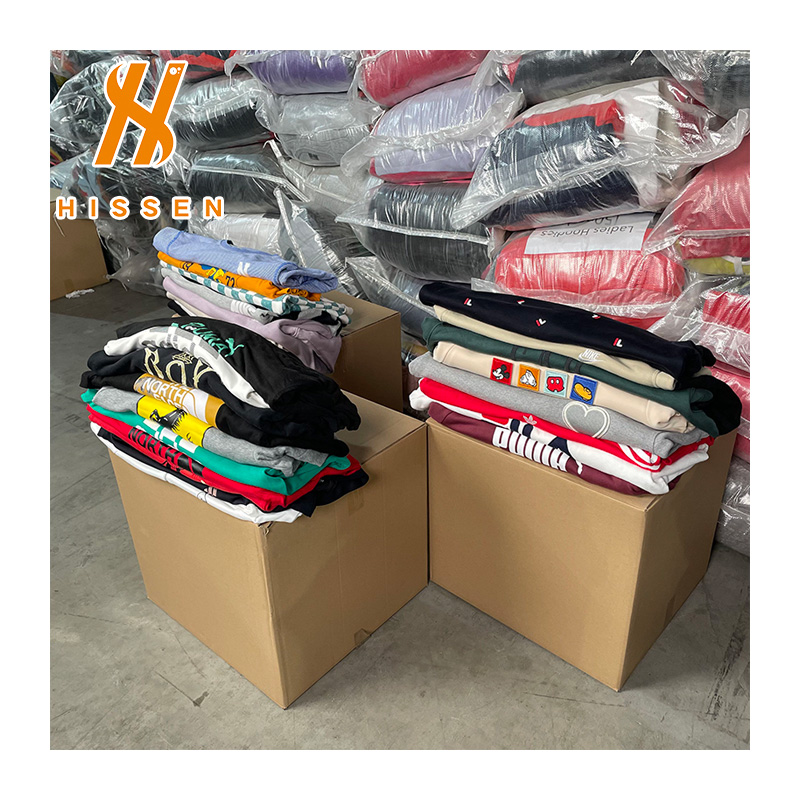
Budgeting and Typical Pricing Patterns
Prices fluctuate based on region, category, and season. For example:
• Tropical mix might range from 0.70 to 1.50 USD per kilogram.
• Premium vintage or branded denim often ranges between 6 and 12 USD per kilogram.
• Winter jackets see wide variation depending on donation cycles.
Shipping affects final cost more than many newcomers expect. Sending a 20‑foot container from China to West Africa can run between 2,500 and 4,200 USD depending on the month. Some buyers adjust category choices based on freight, leaning toward higher‑value bales when shipping spikes.
Final Thoughts on Buying Wholesale Used Clothing
Learning how to buy wholesale used clothing for resale is less about finding perfect consistency and more about understanding the natural rhythms of donation patterns, grading systems, and global logistics. Some weeks bring surprisingly good stock; other weeks feel more average. Yet with thoughtful wholesale used clothing supplier evaluation, layered sourcing strategies, and realistic expectations, resellers can build a reliable inventory and adapt to market changes with fewer surprises.If you want to learn more about U.S. wholesale used clothes, you can check out Guide To Wholesale Used Clothes In The USA.