How to Import Used Clothing: Complete 10-Step Checklist for 2026
Importing used clothing is a proven business model with strong demand across Africa, Asia, and the Middle East. But for first-time importers, the process can feel overwhelming — finding a reliable used clothing distributor, understanding grading, arranging shipping, and clearing customs all require careful planning.
⏱ 8 min read · For importers, wholesalers & trade buyers
In this guide you will learn:
- Key industry insights and practical sourcing knowledge
- How to evaluate suppliers and avoid common mistakes
- Pricing benchmarks and quality standards
- Actionable steps for your import business
This 10-step import checklist walks you through everything you need to know to import used clothing successfully in 2026, from market research to your first container arrival.
Key Takeaways
- Success starts with market research — know your target country’s import regulations and duty rates
- Finding a verified used clothing distributor is the most critical step
- Total landed cost includes far more than just the product price — calculate everything upfront
- Sample orders and third-party inspections prevent costly mistakes
- Each East African country has different import rules — research yours specifically
Step 1: Research Your Target Market
Before contacting any used clothing distributor, understand your market:
- Which categories sell best? (T-shirts, jeans, dresses, shoes, etc.)
- What grade of used clothing does your market prefer? (Grade A, Grade B, mixed)
- What are the import duties and taxes for used clothing in your country?
- Are there any restricted items or banned categories?
- Who are your competitors and what do they charge?
🔍 Tip: Visit local markets (like Gikomba in Nairobi or Katima in Dar es Salaam) to see what is selling and at what price points before placing your first order.
Step 2: Find a Reliable Used Clothing Distributor
Your choice of used clothing distributor will make or break your import business. Key selection criteria:
- Years of experience and verifiable track record
- Clear grading system (Grade A, Grade B, etc.)
- Physical warehouse or sorting facility
- Export documentation expertise
- Willingness to send samples
- Reasonable payment terms
For a detailed guide on finding suppliers, see our complete guide to used clothing suppliers in China. Also review used clothing distributor red flags to avoid scams.
💡 Example: Hissen Global (Guangzhou, China) meets all of the above criteria — 12 years in business, 3 factories totaling 20,000 m², clear Grade A/Grade B grading, complete export documentation, and video tours available. We use them as a benchmark because they demonstrate what a vetted distributor looks like in practice.
Step 3: Request Samples and Verify Quality
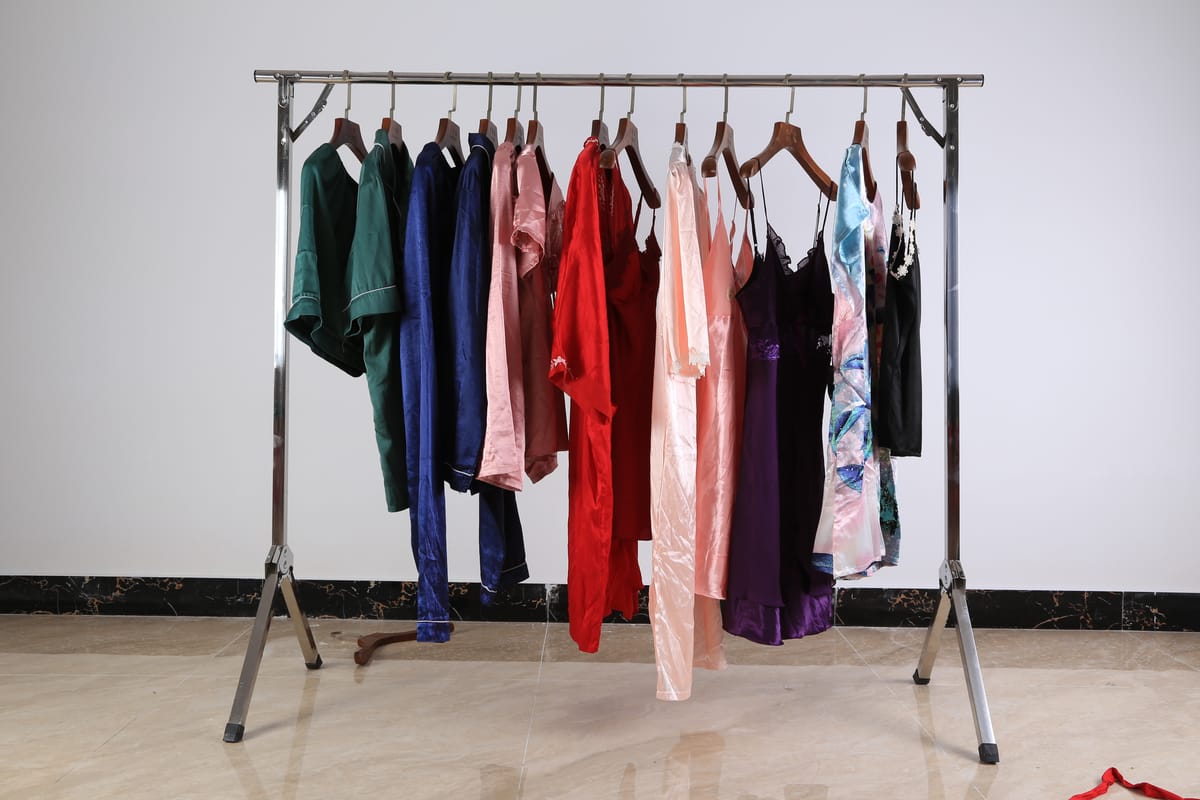
Never place a bulk order without first inspecting samples. A reputable used clothing distributor will provide samples for the cost of shipping. When evaluating samples:
- Check fabric quality, stains, and damage
- Verify brand names match the claimed grade
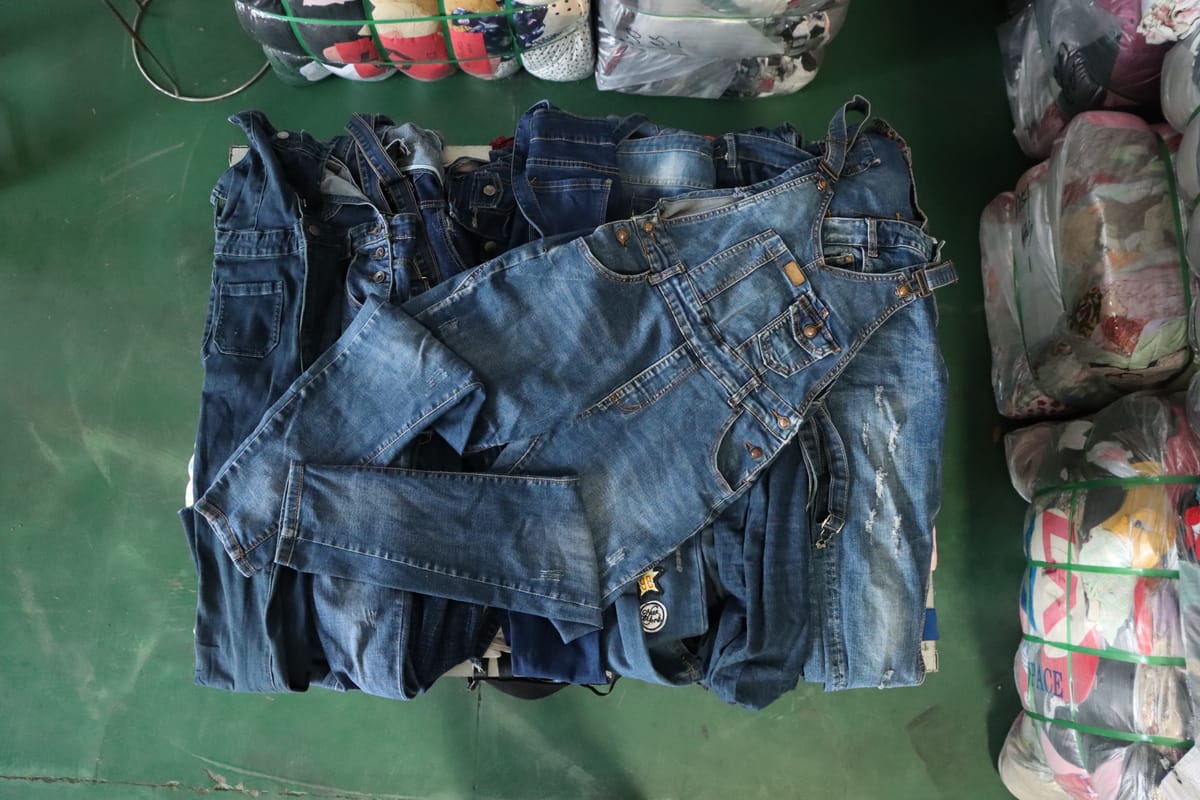
- Assess the mix of items (tops, bottoms, kids, adults)
- Compare sample quality with the distributor’s grade description
- Keep a photo record of samples for reference when bulk order arrives
Step 4: Understand Grading Systems
Grading is one of the most misunderstood aspects of the used clothing trade. Different used clothing distributors use different grading criteria:
| Grade | Typical Quality | Best For |
|---|---|---|
| Grade AA / Premium | 90-95% wearable, mostly branded, minimal defects | Boutique resale, premium markets |
| Grade A | 80-90% wearable, mix of branded and unbranded | Wholesale markets, general resale |
| Grade B | 60-80% wearable, higher percentage of rejects | Budget markets, rural areas |
| Mixed / No-sort | Unsorted, varies significantly | Low-cost markets, second-tier resale |
See our Grade A vs Grade B comparison guide for detailed differences with photos.
Step 5: Get Pricing and Compare Quotes
Contact multiple used clothing distributors and compare quotes. Remember to compare the same grade and same bale weight. Key questions to ask:
- Price per kg (FOB or CIF?)
- Bale weight (typically 45-50 kg per bale)
- Items per bale (varies by category)
- Loading capacity per container (20ft vs 40ft)
For 2026 pricing benchmarks, see our mitumba bales price guide.
Step 6: Calculate Total Landed Cost
Your total cost goes far beyond the FOB price. Calculate all of these:
| Cost Component | Estimated Range (per kg) |
|---|---|
| FOB price (Grade A) | competitive pricing within the A Grade market range |
| Sea freight (China to East Africa) | $0.10–$0.25/kg |
| Export documentation & fumigation | $0.02–$0.05/kg |
| Insurance | $0.01–$0.02/kg |
| Import duty & clearance | $0.15–$0.50/kg |
| Inland transport | $0.05–$0.15/kg |
| Total landed cost | $2.35–$3.95/kg |
For a detailed breakdown, see our shipping cost guide from China to East Africa.
Step 7: Negotiate Payment Terms and Sign Contract
Standard payment terms for used clothing imports:
- 30% deposit + 70% after inspection — Standard for first-time buyers
- Letter of Credit (L/C) — For established relationships and larger orders
- 100% payment after inspection — Once trust is established
Always sign a purchase contract specifying: product grade, bale weight, quantity, price, delivery terms (FOB/CIF), inspection process, and dispute resolution.
Step 8: Arrange Shipping and Logistics
Once your order is confirmed and inspected:
- Choose FOB or CIF — FOB (you arrange shipping) is usually cheaper; CIF (supplier arranges) is more convenient
- Book a freight forwarder — Compare rates from 2-3 forwarders
- Confirm container loading — Request photos/video of your container being loaded
- Receive shipping documents — Bill of Lading, packing list, commercial invoice, fumigation certificate
- Track your shipment — Most shipping lines provide online tracking
Step 9: Prepare for Customs Clearance
Before your container arrives, prepare these items:
- Engage a licensed customs broker at the destination port
- Prepare all shipping documents for customs submission
- Calculate and set aside funds for import duties and taxes
- Understand your country’s inspection procedures (e.g., Kenya uses IVM for pre-clearance)
- Arrange storage or warehouse space for when goods clear customs
Step 10: Plan Your Distribution
Your container has arrived — now what?
- Sort by category — Even Grade A bales benefit from re-sorting by type
- Grade for local market — Apply your own grading based on local preferences
- Set wholesale and retail prices — Based on your total landed cost plus desired margin
- Build relationships — Establish regular buyers for repeat orders
- Track sell-through rates — Note which items sell fast and which are slow to inform your next order mix
Common Import Mistakes to Avoid
| Mistake | Impact | Solution |
|---|---|---|
| Not checking import regulations | Container seized or fined | Research regulations before ordering |
| Skipping sample orders | Wrong quality goods arrive | Always order samples first |
| Ignoring total landed cost | Negative profit margins | Calculate all costs upfront |
| Choosing the cheapest distributor | Poor quality or scams | Verify before buying |
| No inspection before shipment | Bait-and-switch on quality | Use third-party inspection |
Final advice: The used clothing import business rewards patience and due diligence. Importers who rush the process — skipping samples, choosing the cheapest distributor without verification, or ignoring customs regulations — are the ones who lose money. Take the time to build a relationship with a verified used clothing distributor, understand your market deeply, and plan each shipment carefully. The importers who follow this approach consistently grow from one container to regular monthly shipments within their first year.
Frequently Asked Questions
What is the minimum order quantity for importing used clothing?
How long does it take to import used clothing from China?
Do I need an import license for used clothing?
What is the profit margin on used clothing imports?
What items sell best in used clothing bales?
Start Your Import Journey with a Verified Distributor
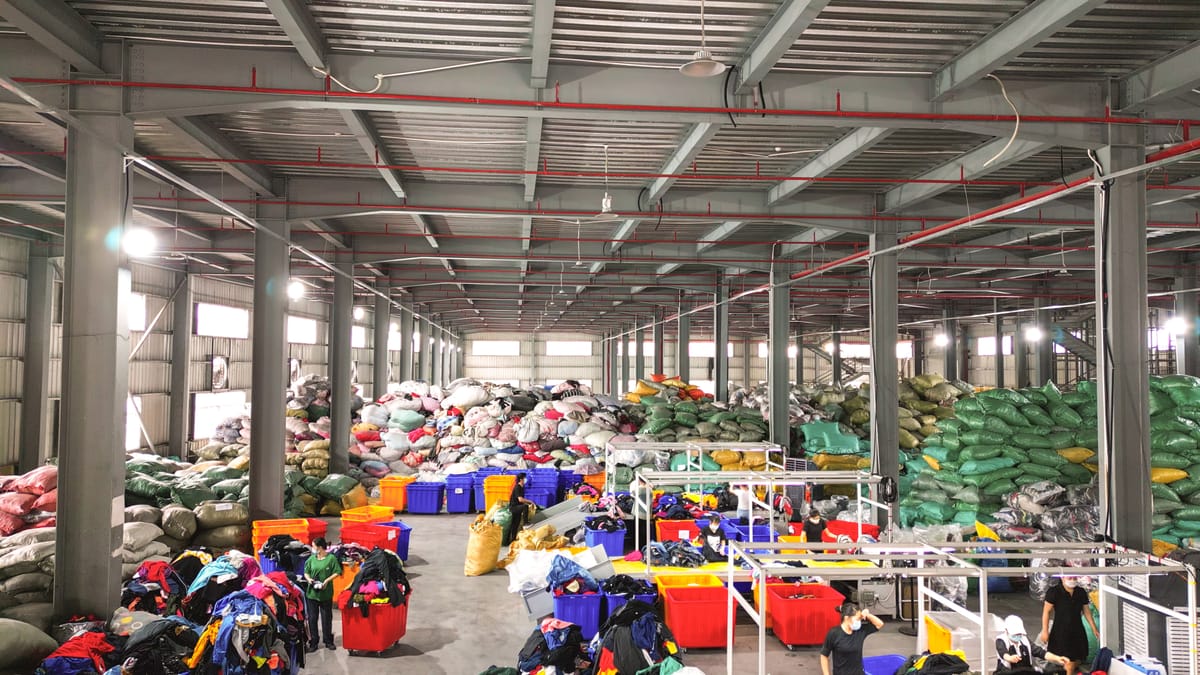
When you are ready to place your first order, choosing a verified used clothing distributor is the difference between a smooth start and a costly mistake. Hissen Global brings 12 years of export experience, with 7,000+ containers shipped to 110+ countries. Every shipment includes complete documentation — BL, packing list, invoice, and fumigation certificate.
We welcome first-time importers and provide guidance throughout the process. Sample orders, video facility tours, and third-party inspections are all available.
📥 Free resource: Contact us and we will email you a handy import cost calculator spreadsheet to help you plan your first shipment.
Ready to begin? Contact Hissen Global for current pricing and a proforma invoice tailored to your target market.