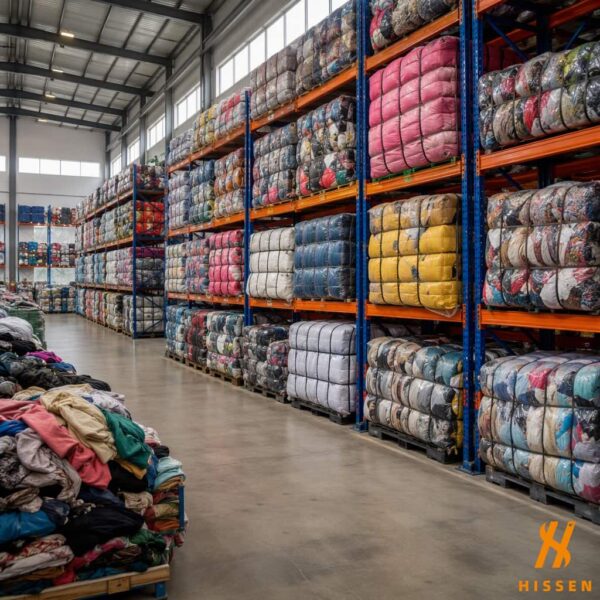
I Lost $10,000 on My First Used Clothing Container — 5 Lessons Every Importer Should Know
Note: This article was originally written for Facebook importers community. If you prefer the short mobile version, scroll to the bottom for the summary. This full version includes detailed insights and resources.
⏱ 7 min read · For importers, wholesalers & trade buyers
In this guide you will learn:
- Key industry insights and practical sourcing knowledge
- How to evaluate suppliers and avoid common mistakes
- Pricing benchmarks and quality standards
- Actionable steps for your import business
I lost $10,000 on my first used clothing container from China.
And the worst part? I found out after the ship had already sailed.
I was a first-time importer. Excited. Naive. Looking for the cheapest price per kilogram I could find. I found a supplier on a B2B platform — price looked good, communication was fast, and I sent the deposit without a second thought.
Six weeks later, the container arrived at Mombasa.
I opened it on site, and my heart sank.
- ❌ The bales were mixed grade — not the A Grade I paid for
- ❌ Sorting was sloppy — stained items mixed with good ones
- ❌ Bale weight was short — 42 kg instead of the 55 kg I was quoted
I tried to negotiate with the supplier. They stopped answering my messages.
My landed cost ended up being your landed cost per kg — way more than I had budgeted. The business case I built my entire import around fell apart in one afternoon.
I learned five hard lessons that year. If you are new to used clothing importing, read this carefully. It might save you $10,000 — or more.
Lesson 1: Price Per Kilogram Is a Trap
The lowest FOB price does not mean the lowest total cost.
A supplier quoting $1.80/kg might sound like a great deal — until the bales arrive underweight, or the grade doesn’t match, or you have to throw away 20% of the items because they are unsellable.
Let me show you the math:
| Cheapest Supplier | Reliable Supplier | |
|---|---|---|
| Quoted FOB price | $1.80/kg | $2.20/kg |
| Actual weight received | 42 kg (claimed 55 kg) | 55 kg (as quoted) |
| Sellable items | 70% | 95%+ |
| Effective FOB cost | $2.57/kg | $2.32/kg |
The “cheaper” supplier actually cost more. A reliable supplier at $2.20/kg with consistent A Grade quality is cheaper in the end — because you get what you pay for.
Always calculate effective landed cost, not just the FOB price per kilogram.
Lesson 2: Video Verification Is Non-Negotiable
If a supplier won’t show you their sorting operation on a live video call, consider it a red flag.
I don’t mean pre-recorded videos or photos they sent you. I mean a live WhatsApp or WeChat video call where you can see with your own eyes:
- The actual sorting floor — not a showroom
- Workers sorting real bales — in real time
- The warehouse scale — confirming accurate weights
- Current inventory — not a staged setup
A legitimate supplier should be able to do this in five minutes.
If they hesitate, make excuses, or offer to send “more photos” instead — ask yourself what they are hiding.
Lesson 3: Get Grading Standards in Writing
“A Grade” means different things to different suppliers.
Some call it A Grade if the item is simply wearable. That is not A Grade by international standards.
Before you pay a deposit, request written confirmation of exactly what A Grade means:
- ✅ No stains
- ✅ No tears or holes
- ✅ No excessive fading
- ✅ No pilling
- ✅ No excessive wear
- ✅ Current styles (within 2-3 seasons)
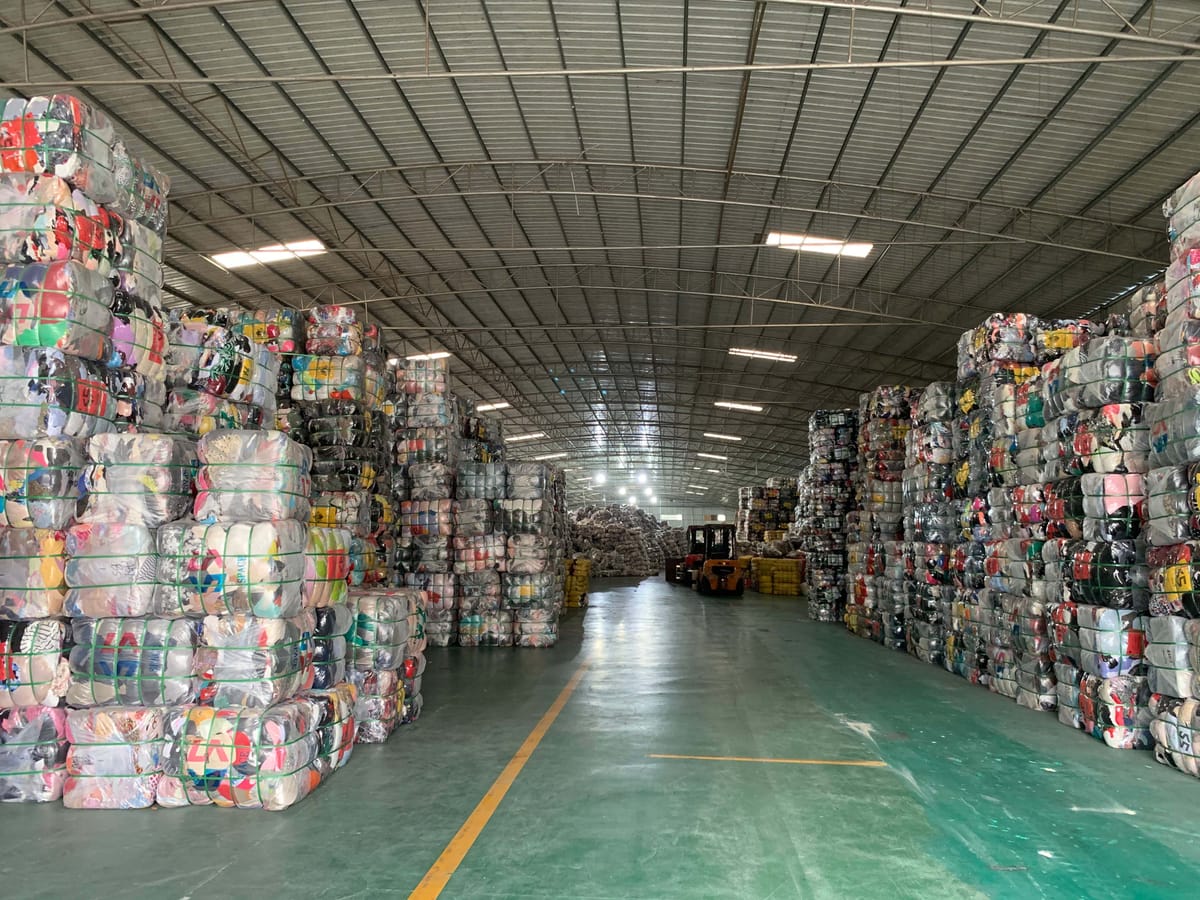
Ask for photos of actual bale contents — not promotional marketing images. A good supplier will have no problem sending you a spread of 20-30 items from a typical bale so you can see the real quality level.
If it is not in writing, it is not guaranteed. See our Grade A vs Grade B comparison guide for detailed quality standards.
Lesson 4: The Real Cost Is in the Shipping Terms
Free time. Demurrage. Container weight limits. These small details can cost you more than the bales themselves.
My first shipment sat at the destination port for five extra days because the fumigation certificate wasn’t ready in time. At $125/day demurrage, that was $625 I had not planned for.
Before you book your shipment:
- Confirm how many days of free time you get at your destination port (14-21 days is standard)
- Check the weight limits for your container type — a 20ft container holds roughly 8-10 tons
- Make sure the supplier has fumigation certification ready before the container ships
- Confirm whether you will get an original Bill of Lading or telex release
- Ask about container sealing — does the supplier use bolt seals? Security seals?
For a detailed breakdown, see our mitumba bales shipping cost guide.
Lesson 5: Find a Supplier Who Thinks Long-Term
The suppliers who are still in business after 10+ years are not the ones who compete on price alone. They compete on consistency.
When evaluating a supplier, ask these questions:
- How many years have they been exporting used clothing?
- Do they have their own sorting facility — or do they buy from other suppliers and resell?
- Can they give you references from buyers in YOUR specific market?
- Will they adjust the bale composition based on your market feedback?
- What happens if a bale arrives below the agreed grade?
A supplier who treats you like a long-term partner will sort your bales more carefully, communicate more honestly, and resolve issues faster than one who treats each order as a one-time transaction.
What Does a Good Supplier Actually Look Like?
After my expensive first lesson, I developed a checklist for vetting suppliers. Here is what a transparent, reliable supplier looks like in practice — using Hissen Global as an example of the standard you should expect:
| What to Look For | Hissen Global Example |
|---|---|
| Years in business | 12 years (since 2014) |
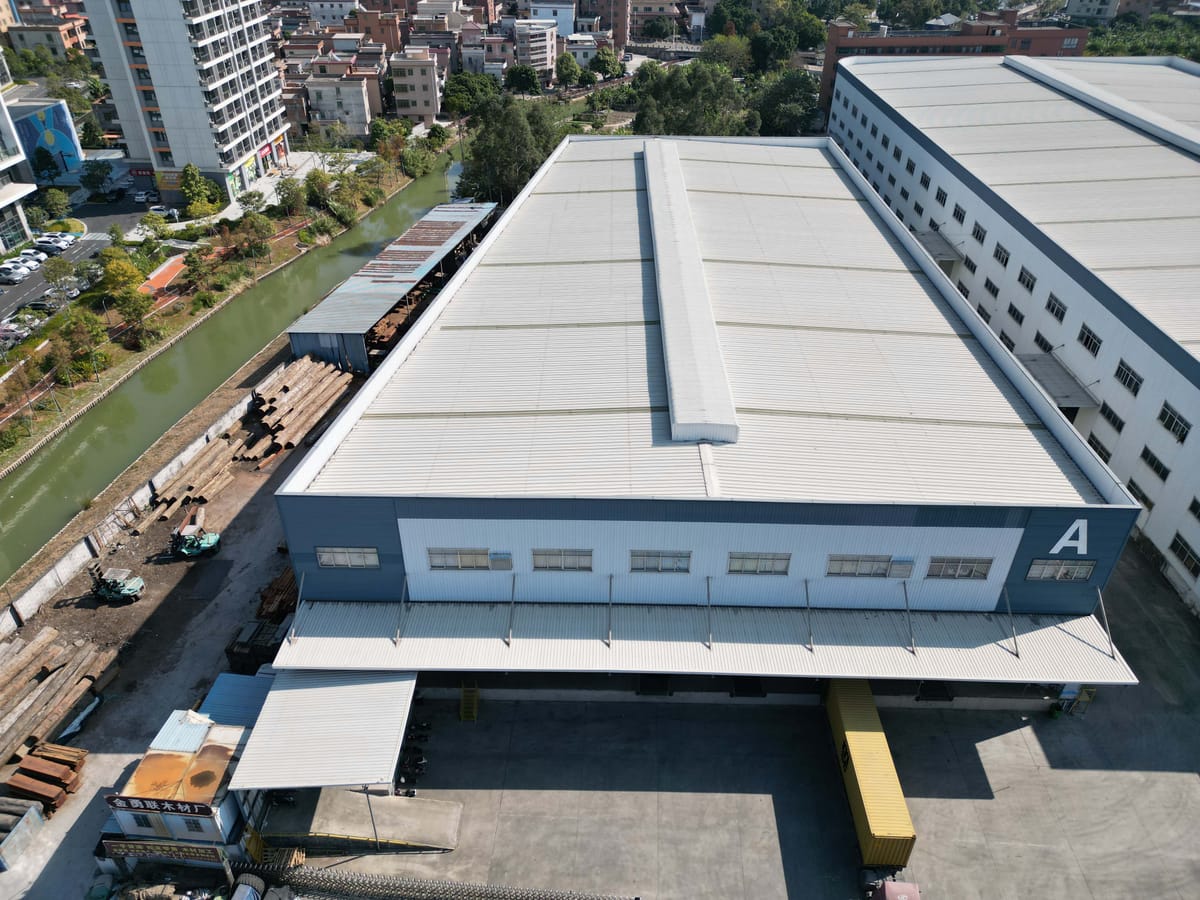
| Own facilities | 3 factories — Guangzhou, Dongguan, and Huadu (20,000 m² total) |
| Sorting capacity | 25 sorting lines with 400+ workers, processing 6,000 tons monthly |
| Export track record | 7,000+ containers to 110+ countries |
| Public verification | China Credit Code: 91440101MA9W4PK77K (publicly verifiable) |
| Video tours | Live video calls available — no excuses, no pre-recorded content |
| Product grades | Grade A (competitive A Grade pricing (see our pricing guide for current rates)), Grade B, mixed bales, shoes bales |
| Bale sizes | 45 kg, 55 kg, 80 kg, 100 kg — customizable |
| Documentation | Commercial invoice, packing list, Bill of Lading, fumigation certificate |
I am not saying Hissen Global is the only good supplier in China. But this level of transparency is the minimum standard you should accept from any supplier you work with.
If a supplier cannot confidently provide these details, ask yourself why.
Your Turn: Learn From My Mistake
Importing used clothing is a profitable business when you get the fundamentals right. The single biggest mistake new importers make is choosing a supplier based on price alone. Choose based on transparency and track record instead.
If you are currently comparing suppliers, here are resources to help:
- Complete guide to used clothing suppliers in China
- Used clothing distributor scams — 7 red flags to watch for
- Grade A vs Grade B mitumba bales comparison
- Shipping cost guide from China to East Africa
To speak with a supplier that meets the transparency standards described in this article, contact Hissen Global for current pricing and a live video tour of our facilities.
Share this article with a fellow importer who is about to place their first order. It might save them $10,000.
Facebook-Friendly Summary
If you saw this on Facebook and want the quick version to share with your network:
🇨🇳 I lost $10,000 on my first used clothing container from China.
5 lessons that saved me later:
1️⃣ Price per kg is a trap — calculate landed cost
2️⃣ Live video verification is non-negotiable
3️⃣ Get grading standards in writing before you pay
4️⃣ Shipping terms (demurrage, free time) matter more than you think
5️⃣ Choose a supplier who thinks long-term, not a one-time deal
A good supplier example: Hissen Global — 12 years, 3 factories, 7,000+ containers. Live video tours available. See for yourself.
♻️ Tag an importer who needs to see this.