
The secondhand footwear market is a strange beast. Unlike clothing, where you can squeeze thousands of items into a bale and not worry too much about crushing them, used women’s shoes require space, they have weight, and frankly, they can be a logistics nightmare if you aren’t careful. But for B2B buyers looking ahead to 2025, the potential upside is massive. The global resale market is projected to double in the next few years.
However, not all shoes are created equal. You can’t just buy a mixed container and hope for the best anymore. Sourcing used shoes has become a game of specific targeting. If you are shipping the wrong style to the wrong region, you are essentially paying to ship heavy garbage across the ocean.
Data-Driven: What is Actually Selling?
If you look at the sales data from major recyclers and export houses, a pattern starts to emerge. It isn’t random. There are clear winners.
1. The Undeniable Dominance of Branded Sneakers
It probably won’t shock anyone, but women’s used brand shoes is still the king. We are seeing a massive surge in demand for “chunky” sneakers and retro trainers. Brands like Nike, Adidas, and New Balance hold their value incredibly well. Even in the used market, a pair of decent-condition Air Force 1s is basically liquid cash.
Data suggests that branded sneakers have the fastest turnover rate of any category. Whether it is a vintage shop in London or a market stall in Nairobi, the logo carries weight. For B2B buyers, this is the safest bet, even if the buy-in cost is slightly higher.
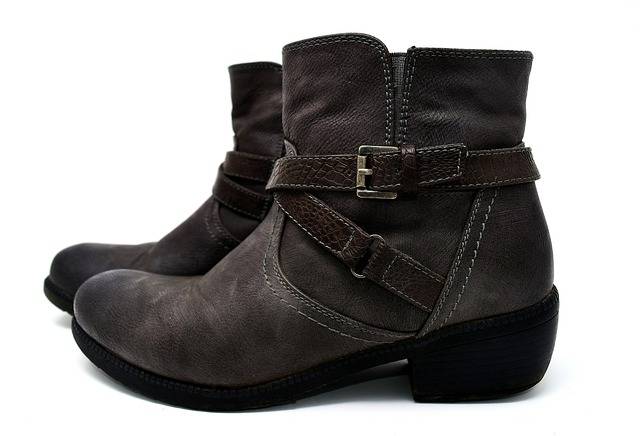
2. The High-Value Leather Boot
On the other end of the spectrum, you have leather boots. These are heavier, yes, which eats into your shipping budget, but the profit per unit is significantly higher. It seems that buyers are tired of fast fashion boots that fall apart after one winter. They want the broken-in, durable leather that you can only really find in the secondhand market.
3. Flat Sandals
If heavy boots are the enemy of your shipping budget, flat sandals are the logistics savior. In the B2B trade, weight is a direct cost, and sandals are virtually weightless. While the individual resale price is lower than a sneaker, the volume density you can achieve in a container is unmatched.
Market data shows that brands like Birkenstock or durable high-street leather flats are “volume gold.” They allow importers to fill the dead space in containers and generate a high ROI purely based on shipping efficiency.
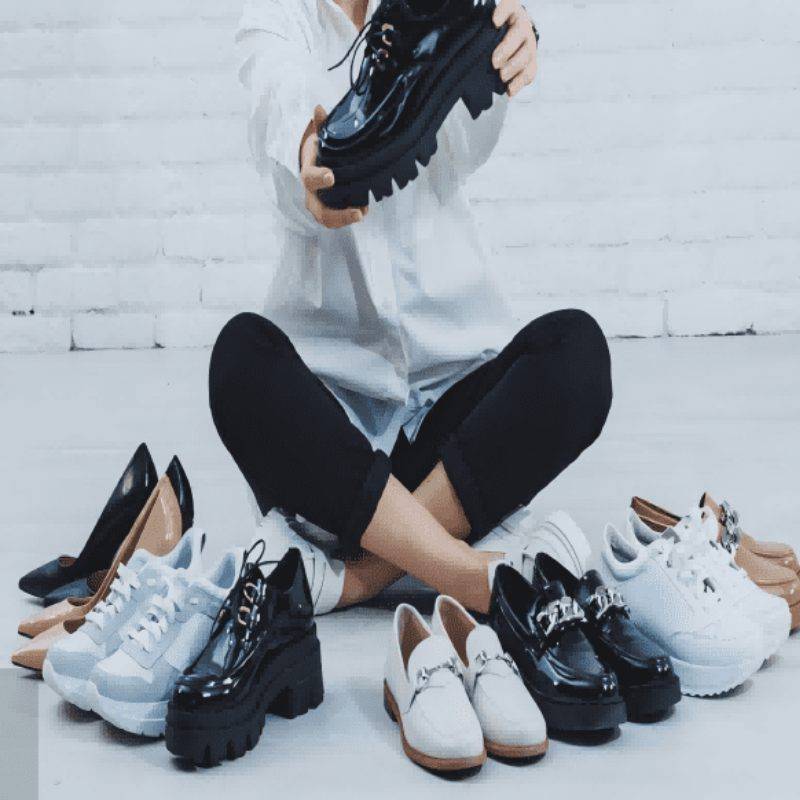
4. High Heels
The market for high heels has become increasingly polarized. The days of generic, uncomfortable “sitting shoes” selling in bulk are fading as global trends shift toward comfort. However, the data highlights a “barbell” effect: specific, high-quality heels—particularly block heels and designer pumps—still command premium prices in boutique markets.
5. Canvas/Casual
Sitting quietly between the hype of sneakers and the seasonality of sandals is the canvas category. This is the “steady performer” of the used shoe industry. Styles like Vans, Converse, and slip-ons represent the bread and butter of daily turnover.
Because they are lightweight and machine washable, they are easier to process than leather. They provide the consistent, reliable cash flow that keeps a business running day-to-day while you wait for the higher-ticket items to move.
Matching the Shoe to the Soil
One of the biggest mistakes new buyers make is ignoring geography. A Grade A bale of high-heeled suede boots might look beautiful in a warehouse in New York, but if your end market is a rural village in a tropical climate, you have a problem.
Tropical vs. Temperate Markets
For buyers exporting to regions like Southeast Asia or West Africa, the “profitability” calculation changes entirely. Here, it is all about flat sandals and lightweight canvas shoes. The turnover is high because the items are cheap and essential. You aren’t looking for a high margin per pair; you are looking for volume. Heavy winter gear is practically dead weight in these zones.
Urban Chic vs. Rural Utility
There is also a distinct split between city and country markets. Urban centers—think Manila, Lagos, or Mexico City—have a growing appetite for “fast fashion” heels and trendy office wear. They want the Zara and H&M styles that look good for Instagram. Conversely, rural markets prioritize durability. They need used women’s shoes that can handle unpaved roads and long walking distances. A sturdy wedge or a solid flat will outsell a stiletto ten to one in these areas.
Profit Margins and Secondary Market Pricing
Heavy shoes cost more to ship. Light shoes cost less. But light shoes often sell for less. It is a balancing act—a dynamic you will quickly notice if you compare a container of heavy work boots against a slipper wholesale shipment.
Here is a rough look at how the margins tend to shake out for a typical B2B import scenario:
| Shoe Category | Weight Impact (Shipping) | Est. Wholesale Cost (Per Pair) | Est. Resale Price (Grade A) | Margin Potential |
|---|---|---|---|---|
| Branded Sneakers | Medium | \$4 – \$8 | \$25 – \$60+ | High |
| Leather Boots | High (Heavy) | \$5 – \$10 | \$30 – \$80 | High |
| Flat Sandals | Very Low | \$1 – \$3 | \$5 – \$12 | Medium (Volume) |
| High Heels | Low | \$2 – \$5 | \$10 – \$25 | Variable |
| Canvas/Casual | Low | \$1 – \$3 | \$6 – \$15 | Steady |
Start Small: The Pilot Order Strategy
It is tempting to go big. You see the numbers, you see the demand for used women’s shoes, and you want to order a 40-foot high-cube container immediately to save on logistics. But honestly, that is risky.
Experienced buyers usually suggest a “pilot run.” Order a few pallets or a small mixed container first. You need to see how the supplier grades. Does their “Grade A” actually mean gently used, or does it mean “dirty but wearable”? There is a huge difference.
Use this small batch to test your local market. See what moves in the first week. You might think your customers want name brands, but they actually clean you out of comfortable nursing shoes.

Final Thoughts for 2025
The year 2025 is shaping up to be a year of “smart sourcing.” The winners in this industry will be the used shoes supplier who understand that a shoe isn’t just a product; it’s a fit for a specific lifestyle. Find a supplier who gives you the same quality every time, and hold onto them tight.