Single-Category Shoe Containers: 5 Soccer Cleat & 5 Running Shoe Containers — A Rare Allocation for Importers (2026)
⏱ 15 min read · For importers, wholesalers & trade buyers
In this guide you will learn:
- ✅ Why single-category containers are among the rarest offers in the shoe trade
- ✅ What a full soccer-cleat or running-shoe container means for your market
- ✅ The demand story behind each category in Africa, South America & Southeast Asia
- ✅ A step-by-step process to evaluate and claim a scarce allocation
- ✅ How Hissen Global’s 5+5 container offer fits an importer’s growth plan
1️⃣ The Rarest Offer in Footwear: One Category, One Full Container 📦
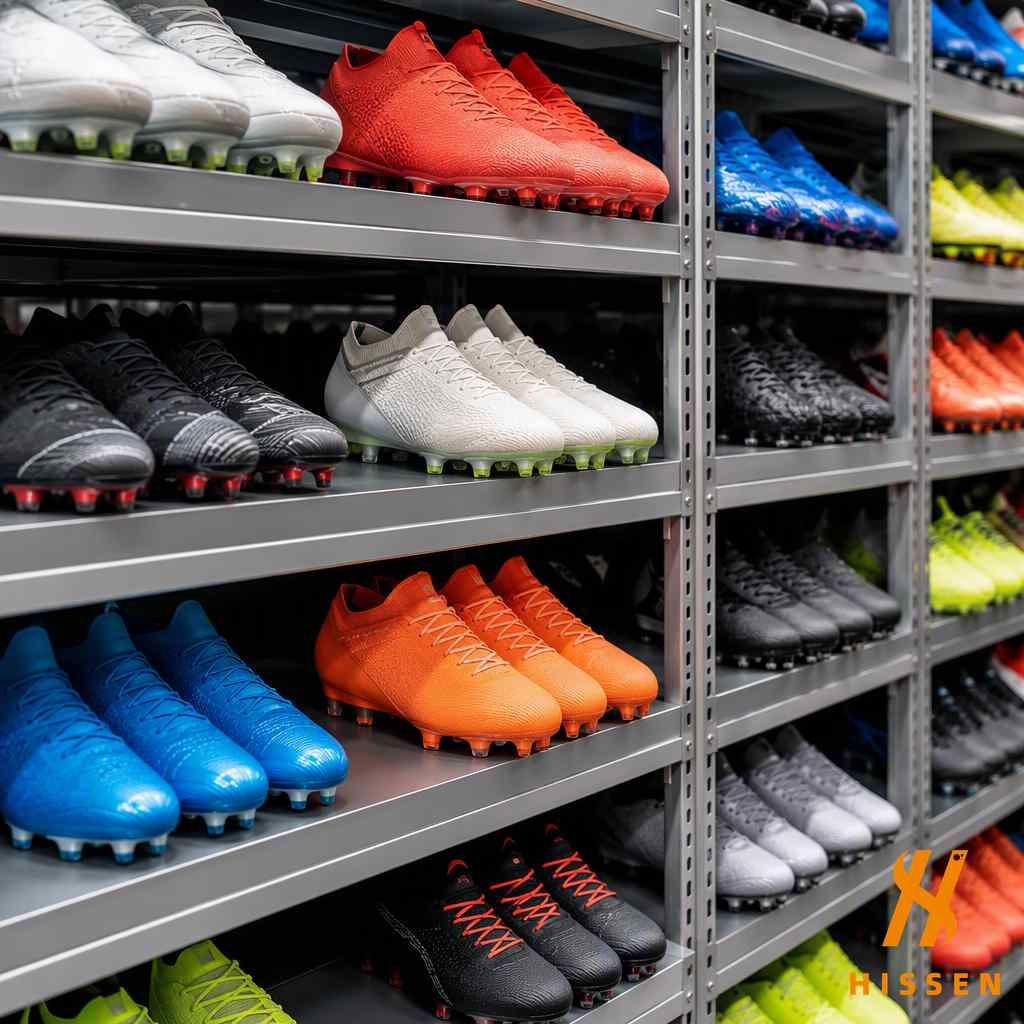
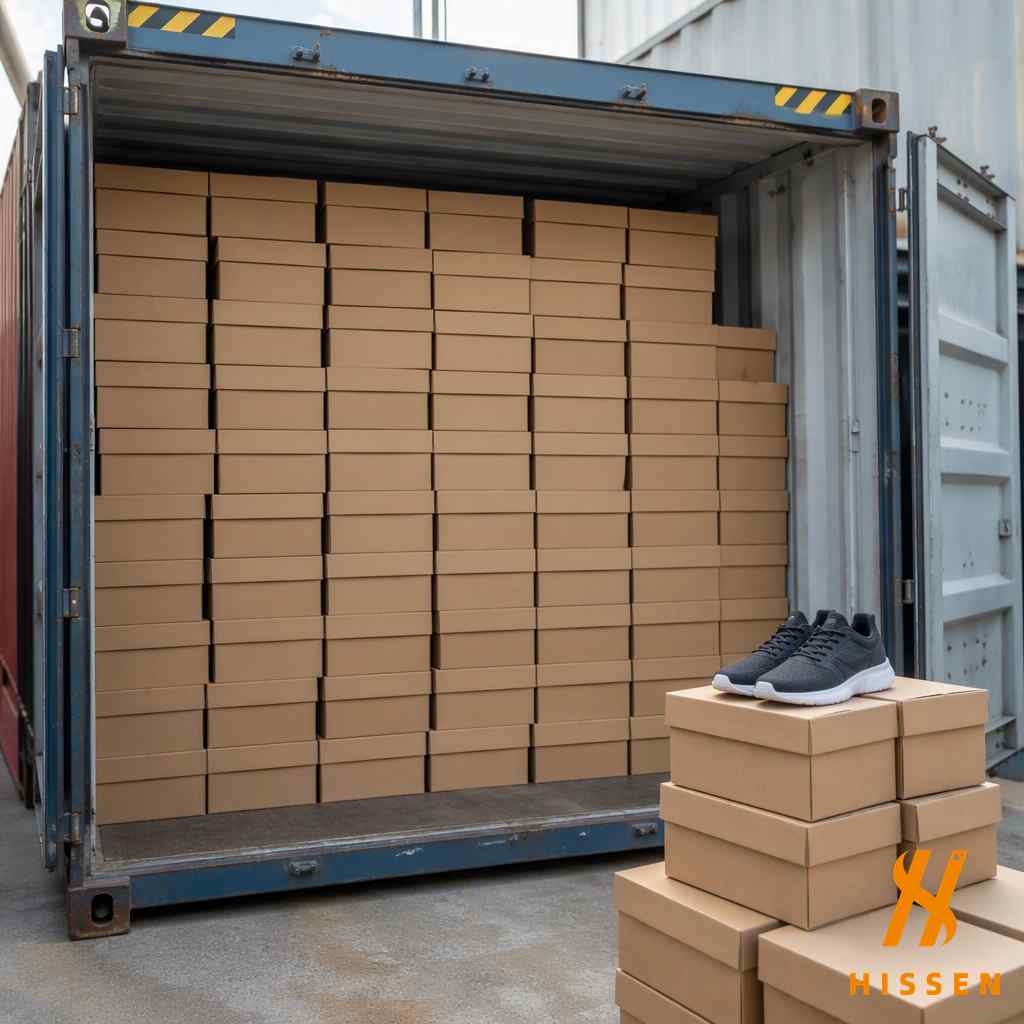
In the second hand shoe and stock trade, most containers are mixed — a bit of this, a bit of that, assembled from many sources to fill a box. That is the easy way. The hard way — and the rare way — is a full container of a single category: all soccer cleats, or all running shoes. And right now, Hissen Global is offering exactly that: 5 containers of soccer cleats and 5 containers of running shoes, each one pure, each one limited.
Why does this matter to you? Because single-category stock changes your business. No sorting through mixed contents. No wondering what you got. Every pair belongs to one proven, fast-moving category that your market already buys. Written from the perspective of a China-based exporter, this guide explains the demand behind each category, how to evaluate the offer, and why allocations like this disappear quickly.
2️⃣ Why Single-Category Containers Are So Scarce 🏆
If single-category containers are so good, why are they rare? The answer is simple logistics:
- 🔍 Grading at scale: filling a whole container with one category means years of accumulated sorting — most facilities cannot hold that much of a single type.
- 📊 Consistent sizing: a usable single-category container needs a complete, market-ready size curve, which is harder to assemble than a mixed lot.
- 🤝 Channel relationships: pure categories come from dedicated sourcing relationships, not open-market buying.
- ⏳ Timing: single-category allocations appear rarely and are claimed fast — waiting means losing them.
When a supplier can offer a known number of containers in a pure category, that is a signal of serious, long-built sourcing capability — exactly the kind of supplier an importer wants for the long term.
3️⃣ The Soccer Cleat Container: A Category with Deep Cultural Demand ⚽
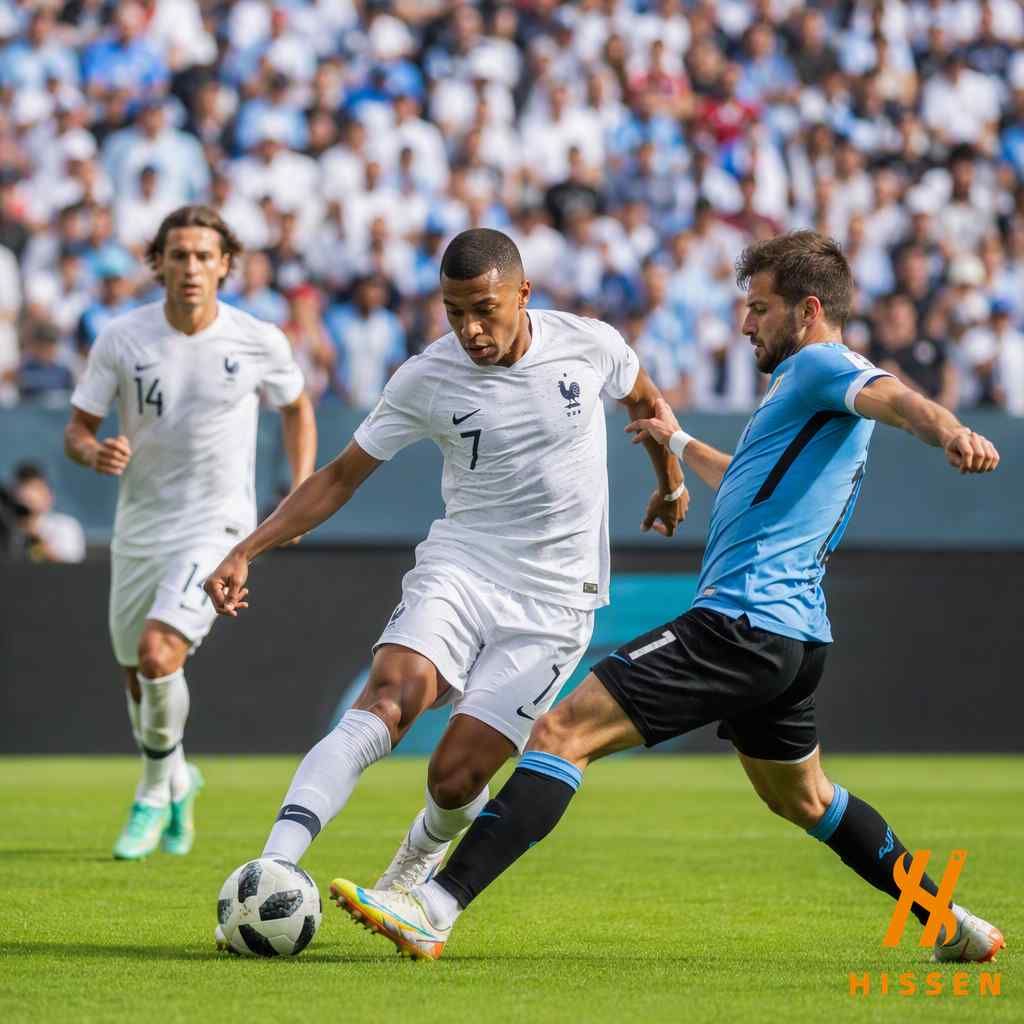
Football is more than a sport in much of Africa and South America — it is culture, community and identity. That culture translates directly into shoe demand.
Who buys soccer cleats?
- 🏟️ Local clubs and teams buying in bulk for players at every level.
- 🏪 Sports shops and market stalls serving the weekend-player market.
- 👟 Re-sellers moving cleats through markets and online channels.
Why a full cleat container works
A dedicated cleat container lets you serve this demand with certainty: correct cleat types, a complete size range, and quantity you can plan around. Football season peaks in different months across regions, and buying a pure cleat container lets you time your stock for the season instead of hoping mixed stock happens to include enough cleats.
4️⃣ The Running Shoe Container: Year-Round Global Demand 🏃
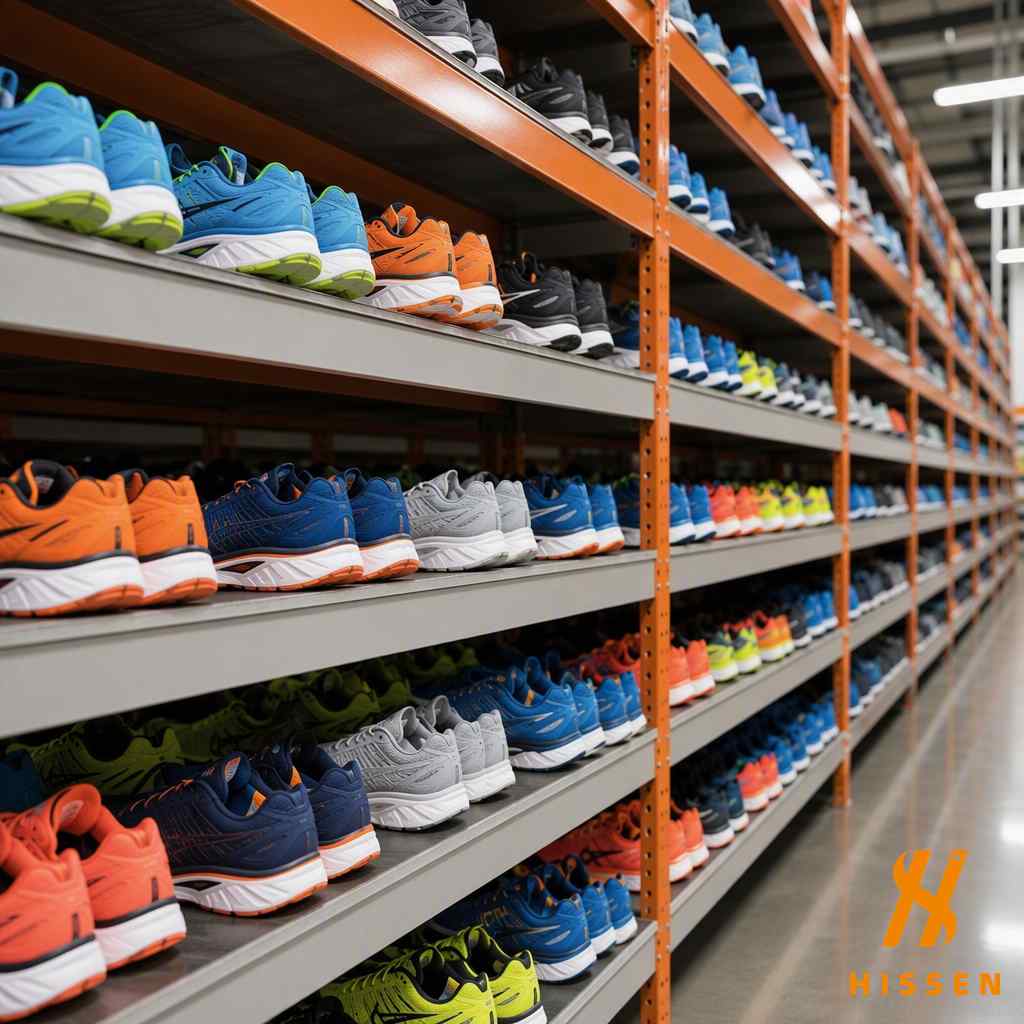
Running shoes are arguably the most universally traded athletic footwear in the world. Unlike seasonal sports, running happens all year, everywhere.

Why running shoes never stop selling
- 🌍 Global habit: from city joggers to professional athletes, running is a universal activity.
- 📆 No seasonality: running shoes sell steadily through every month of the year.
- 👥 Broad buyer base: men, women and children all wear running shoes for sport and daily wear.
A full running-shoe container gives you a dependable, restockable line — the kind of stock an importer can build a steady wholesale relationship on, month after month.
5️⃣ Step-by-Step: How to Evaluate & Claim a Scarce Allocation 📋
When an offer is scarce, the evaluation still matters — it just needs to move faster. Here is the process we recommend:
- 🧾 Verify the category purity. Confirm in writing that the container is single-category (all soccer or all running), with no surprise mix-ins.
- 📏 Check the size curve. A market-ready curve (EU 40–46 for Africa and South America, smaller for Southeast Asia) is non-negotiable.
- 🏷️ Confirm grades and brands. What condition, and what brand mix, are in the container?
- 📸 See the stock live. A live video tour of the actual category stock before you commit.
- 🚢 Lock the container plan. Size (20ft or 40ft), destination port and freight cost — confirmed together.
- ✅ Act within the allocation window. Scarce offers have a window. Decide, confirm and claim before someone else does.
Our guides on used shoe sourcing and the importer education hub cover these checks in more depth.
6️⃣ The Margin Math of a Pure-Category Container 💰
Why do importers value pure categories so highly? Run the numbers and the answer is clear.
- 📊 No sorting waste: with a single category, nearly every pair is salable to the right buyer. In mixed containers, sorting and unsellable shares quietly eat margin.
- 🎯 Category pricing: a dedicated cleat or running buyer will pay more for a known, complete range than a trader browsing mixed lots.
- 📈 Repeat demand: category buyers return. A pure running line builds regular wholesale customers who reorder season after season.
- ⚡ Faster turnover: one category sells through quicker than a mixed lot that waits for the right customer for each type.
In practice, a well-managed pure-category container frequently achieves a higher effective margin than a larger mixed container, because less value is lost to sorting, waiting and unsellable leftovers. That is the quiet arithmetic behind the scramble for allocations like these.
For both categories, the buyer who locks an allocation early also secures the best freight options, since container planning is easiest when the destination and season are known ahead of time.
7️⃣ Real Scenarios: What a Pure Container Changes 🌍
Here is how a single-category container changes a buyer’s business in three markets.
Sports wholesaler in Nairobi, Kenya 🇰🇪
Kenya’s football and running culture is strong. A wholesaler who secures one running-shoe container gains a steady, predictable line for shops across the region. Instead of competing for mixed lots, he owns the category — and his customers know they can rely on him for running shoes all year.
Football reseller in Lagos, Nigeria 🇳🇬
Football season in Nigeria means a spike in cleat demand. A reseller who buys a cleat container ahead of the season can serve teams and market stalls at exactly the right moment, capturing a peak-season price.
Sport shop owner in Medellín, Colombia 🇨🇴
Medellín’s runners are a loyal, growing community. A sport shop owner stocking a full running line — consistent sizes, steady supply — builds the kind of repeat customer base mixed stock can never create.
8️⃣ Why Hissen Global Can Offer This Allocation 🏭
You may wonder: how does a supplier end up with 5 pure cleat containers and 5 pure running containers? The honest answer is years of dedicated sourcing, patient grading and category relationships built with partners who trust the standard. This is the learning-oriented, forward-looking attitude we believe importers want from a Chinese exporter: not just filling orders, but building rare supply lines that let customers grow.
Our range also includes brand-new 361° clearance shoes and graded used-shoe supply, so the single-category offer is one more way we help importers plan ahead.
Because these allocations are limited, we recommend importers discuss their intended market and season first. A buyer targeting a football-season peak will plan a cleat container differently from a buyer building a year-round running line. Sharing your plan helps us match the right allocation to you — and helps you capture the full value of the container when it lands.
9️⃣ Common Mistakes When Scarce Allocations Appear ⚠️
- ❌ Hesitating too long. Scarcity means a window — decide with your own checklist, then act.
- ❌ Skipping the size-curve check. A pure category in the wrong sizes is still dead stock.
- ❌ Assuming “single category” without proof. Verify purity and grades in writing.
- ❌ Forgetting the landing cost. Freight and duty still apply — plan to the port, not the factory.
- ❌ Buying the offer, not the supplier. A scarce allocation is a chance to start a relationship, not just take a deal.
💡 Key Takeaways
- 🔑 Single-category containers (all soccer or all running) are among the rarest offers in the trade.
- 🔑 Soccer cleats ride deep cultural demand with seasonal peaks; running shoes sell year-round.
- 🔑 Verify purity, size curve, grades, live stock and the container plan before claiming.
- 🔑 Act within the allocation window — scarce offers disappear to faster buyers.
- 🔑 5 cleat containers + 5 running containers = a rare chance to own a category, not just a lot.
🔟 Frequently Asked Questions
Q1. What exactly is being offered?
Hissen Global is offering 5 full containers of soccer cleats and 5 full containers of running shoes — each container pure single-category, limited allocation, available until claimed.
Q2. Why are single-category containers rare?
Filling a whole container with one category requires years of accumulated sorting, consistent sizing and dedicated sourcing relationships — most facilities cannot hold or assemble that much of a single type.
Q3. Which sizes are in the containers?
The containers are assembled with market-ready size curves — EU 40–46 for African and South American markets, with smaller ranges available for Southeast Asia. Confirm your target curve when you inquire.
Q4. Are the shoes new or used?
The allocation covers graded second hand sneakers in each category, with grades confirmed in writing. We also offer brand-new 361° clearance shoes separately if you want unworn stock.
Q5. How do I claim one of the containers?
Contact us with your target category and destination port. We will confirm availability, show the stock live, and lock the container plan within the allocation window.
Q6. Do you ship to Africa, South America and Southeast Asia?
Yes. We ship footwear containers regularly to all three regions, with container planning, documentation and port guidance handled by our logistics team.
Ready to own a rare category — not just another mixed lot? The 5 soccer-cleat and 5 running-shoe containers are limited allocations.
Hissen Global is a China-based exporter serving footwear importers across Africa, South America and Southeast Asia. Tell us your target category and destination port — we will confirm availability, show the stock live and lock your container plan while the window is open.