How Can I Start My Used Clothing Business Quickly? A 10-Step Action Plan for Importers (2026)
⏱ 14 min read · For aspiring used clothing importers
In this guide you will learn:
- A proven 10-step timeline to launch your used clothing import business in under 60 days
- How to conduct market research and identify your best-selling categories
- The exact documents you need to import used clothing legally in 2026
- How to find and verify your first supplier without getting scammed
- What to expect from your first container order — costs, timeline, and profit potential
If you are asking "How can I start my used clothing business quickly?" — you are not alone. Thousands of entrepreneurs across Africa, South America, and Southeast Asia enter the used clothing import business every year, and many of them ask the same question. The good news? You can go from idea to your first container in 45-60 days if you follow the right steps.
As a Chinese exporter who has helped hundreds of first-time importers get started, I have seen what works and what does not. This 10-step action plan is designed to get you into business as quickly as possible — without cutting corners on the things that matter.
The used clothing import business is one of the most accessible international trade opportunities available. With relatively low startup capital, clear demand in nearly every market, and a well-established global supply chain, you can build a sustainable business faster than you might think.
Step 1: Research Your Local Market (Week 1)
Before contacting any supplier, understand your local market:
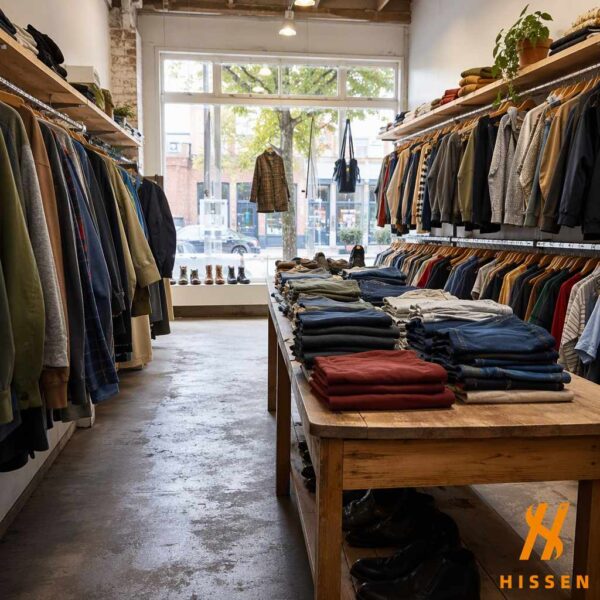
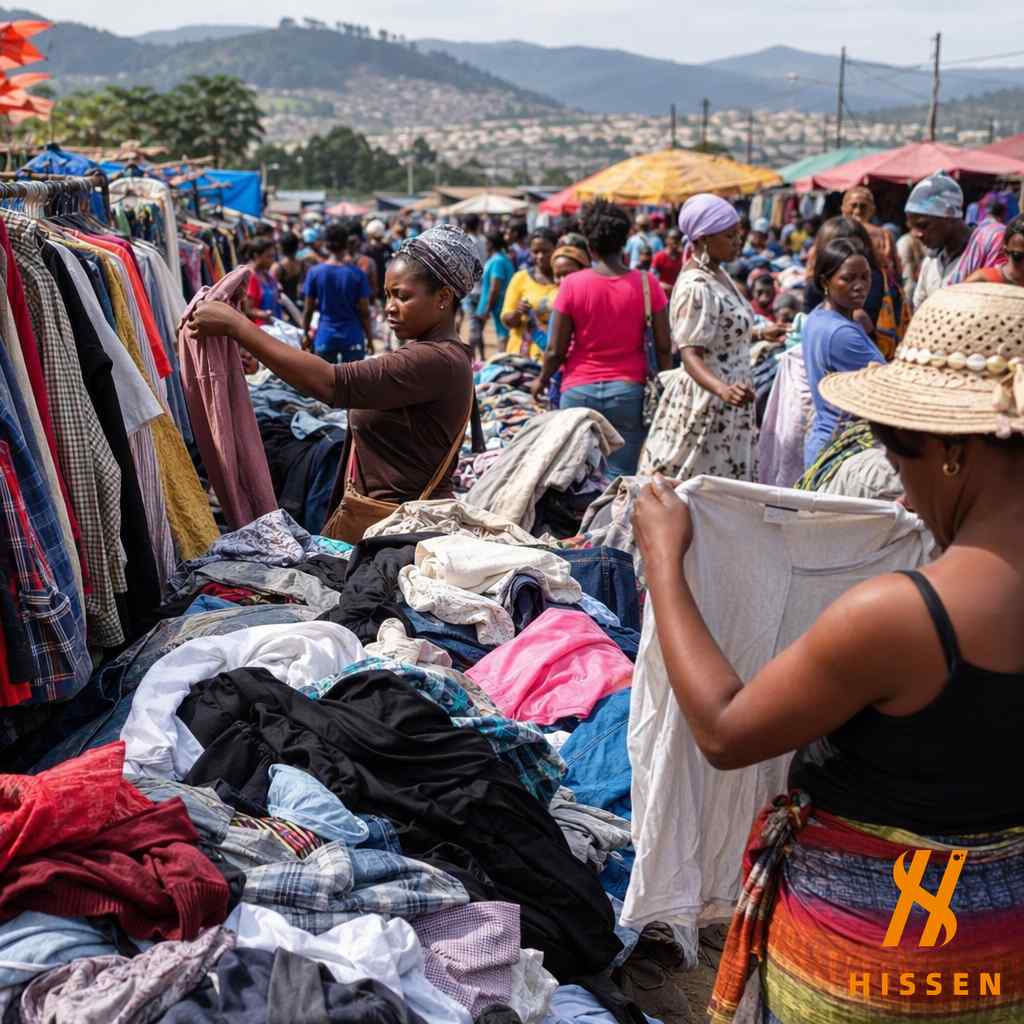
- Visit local second-hand markets and observe which categories sell fastest — T-shirts, jeans, dresses, jackets, or shoes
- Talk to existing used clothing retailers about what they struggle to source
- Identify your target price points — what are retailers paying per item or per kg?
- Study your competitors — what grades and categories do they import?
✅ Deliverable: A one-page market summary listing your top 3 target categories, estimated retail prices, and competitor analysis.
Step 2: Understand Import Regulations (Week 1-2)
Every country has different rules for importing used clothing. Research:
- Are there any restrictions or bans on used clothing imports in your country?
- What is the import duty rate? (Typically 10-35% of declared value)
- Do you need special permits or licenses?
- Are there restricted items (e.g., underwear, uniforms, specific fabrics)?
- Do you need a fumigation certificate for textile imports?
🔥 Key tip: Many countries in East Africa (Kenya, Tanzania, Uganda, Rwanda) and South America (Peru, Bolivia, Chile) have active used clothing markets with established import channels. Some countries (like Rwanda in 2024) have discussed phasing out imports — always verify current regulations before committing.
Step 3: Calculate Your Startup Budget (Week 2)
A realistic budget for starting a used clothing import business:
| Expense Item | Estimated Cost (USD) | Notes |
|---|---|---|
| Product (1 x 40HQ container, Grade B) | $18,000 – $28,000 | FOB China pricing |
| Sea Freight (China to East Africa/South America) | $3,500 – $7,000 | Varies by port |
| Import Duty & Taxes | $2,000 – $6,000 | 10-25% of declared value |
| Port Handling & Clearance | $500 – $2,000 | Agent fees, storage |
| Inland Transport | $300 – $1,500 | Port to warehouse |
| Business Registration & Licenses | $200 – $1,000 | Varies by country |
| Total Estimated Startup Cost | $24,500 – $45,500 | For first container |
💡 Cost-saving tip: Start with Grade B used clothing bales instead of Grade A. Grade B offers lower per-kg cost and is more forgiving for first-time importers learning the market. You can upgrade to Grade A after you understand local demand.
Step 4: Find Potential Suppliers (Week 2-3)
When looking for a supplier to start my used clothing business, focus on these channels:
- Direct referrals — Other importers in your network who already source from China
- Industry connections — Used clothing trade associations and BIR members
- Verified Chinese exporters — Companies with verifiable export records and facility tours
Create a shortlist of 3-5 potential suppliers and reach out with a clear inquiry including your target market, desired grade, and estimated volume.
Step 5: Verify Your Supplier (Week 3-4)
Before sending any payment, verify your shortlisted suppliers using this checklist:
- ✅ Business license and export documentation
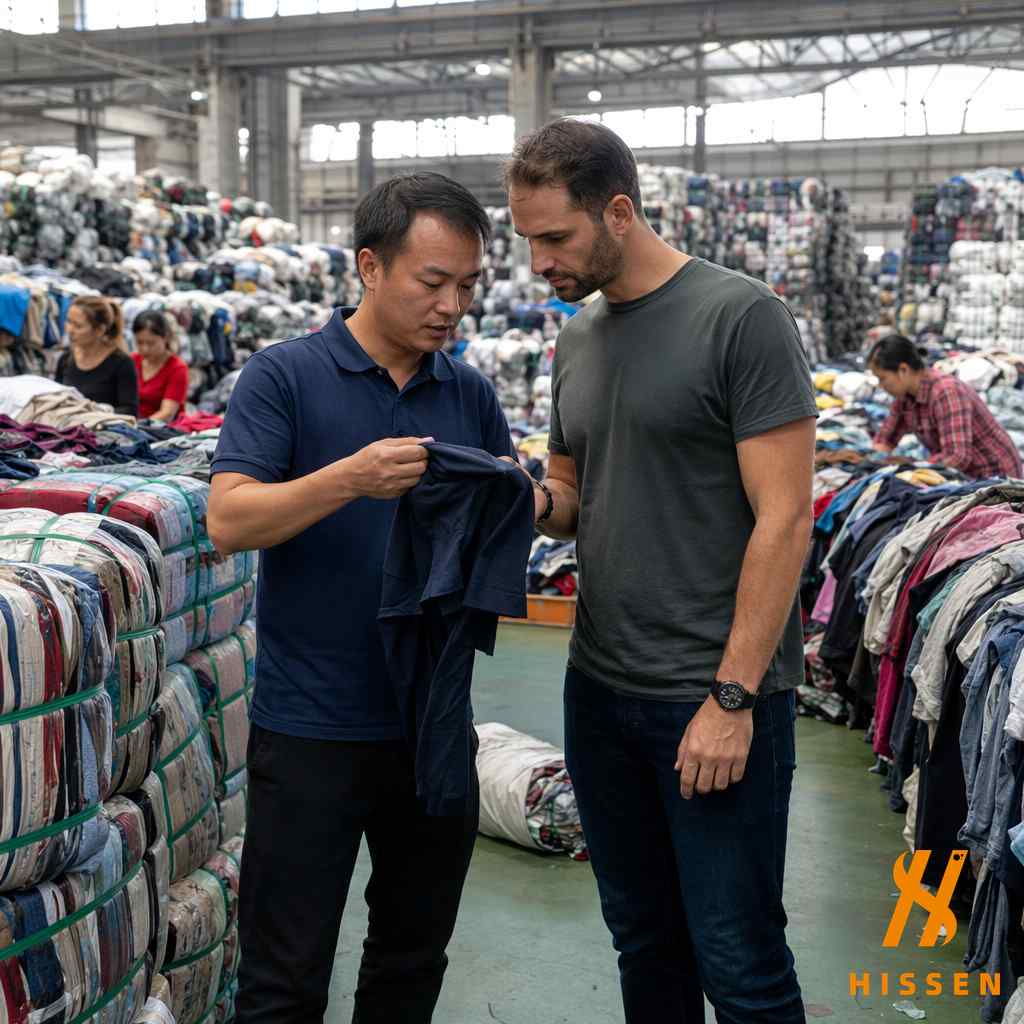
- ✅ Live video tour of their sorting facility and warehouse
- ✅ Shipping records (bills of lading) to your region or similar markets
- ✅ Customer references you can actually contact
- ✅ Clear grading definitions with photo/video examples
- ✅ Written quotation with FOB breakdown
🔥 Red flag: If a supplier refuses to do a video tour, cannot provide shipping records, or pressures you to pay quickly — move to the next candidate. The used clothing industry has its share of bad actors, but thorough verification eliminates most of them.
Step 6: Place Your First Order (Week 4-5)
Once you have selected a supplier, place your first container order. Key decisions:
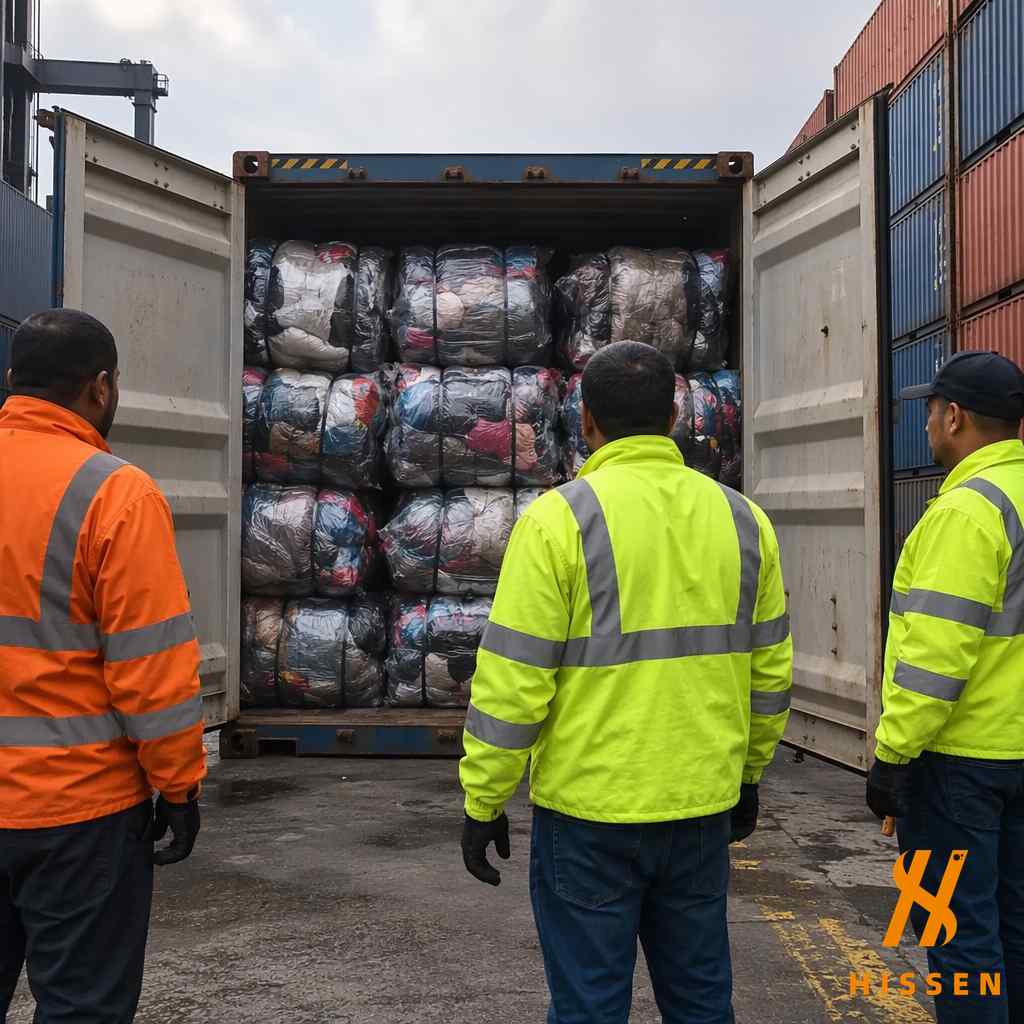
- Container size: 40HQ is standard (approx. 250-300 bales, 12,000-15,000 kg)
- Grade: Grade B is recommended for first-time importers
- Category mix: Specify which categories you want (e.g., 40% T-shirts, 20% jeans, 20% dresses, 10% shorts, 10% jackets)
- Seasonal sorting: Request summer-sorted if your market is warm year-round
- Payment terms: Typically 30% deposit, 70% before shipment (TT) or LC at sight
Step 7: Arrange Shipping and Logistics (Week 5-6)
Coordinate with your supplier and a freight forwarder:
- Confirm FOB or CIF terms with your supplier
- Book shipping with a reliable freight forwarder
- Prepare all export/import documentation (bill of lading, packing list, invoice, fumigation cert)
- Arrange cargo insurance (typically 0.3-0.5% of cargo value)
📌 Shipping timeline: Guangzhou to East Africa: 20-30 days | South America West Coast: 25-35 days | Southeast Asia: 7-12 days
Step 8: Clear Customs and Receive (Week 7-8)
When your container arrives:
- Work with a customs broker (or clear yourself if you have experience)
- Pay import duties and taxes
- Arrange inland transport to your warehouse
- Document the container’s arrival with photos and video
- Open bales and sort by category and quality
Step 9: Distribute to Retailers (Week 8-9)
Your profit comes from selling, not importing. Have a distribution plan ready:
- Sell directly to established second-hand clothing retailers
- Partner with market sellers who have existing customer bases
- Consider selling by the bale (wholesale) or by the piece (retail)
- Build relationships with consistent buyers for repeat orders
Step 10: Evaluate and Scale (Week 10+)
After selling through your first container:
- Analyze which categories sold fastest and at the best margins
- Provide feedback to your supplier for category mix adjustments
- Plan your second container with improved specifications
- Consider upgrading to Grade A for better margins
- Build a relationship with your supplier for volume pricing
Why Hissen Global Helps First-Time Importers Start Quickly
At Hissen Global, we specialize in helping new importers get started in the used clothing business. We understand that "How can I start my used clothing business quickly?" is not just about speed — it is about doing it right the first time.
- 🤝 Starter-Friendly Approach — We welcome first-time importers and guide them through the process step by step.
- 📸 Full Transparency — Live video tours of our facility, real-time inventory verification, and clear quality documentation.
- 📦 Grade B Options — We offer Grade B bales that are perfect for first-time importers learning their market.
- 🎯 Category Customization — We help you choose the right category mix for your specific market.
- 📊 Market Guidance — Based on our experience serving importers across Africa, South America, and Asia.
- 💬 Responsive Communication — Questions answered quickly via WhatsApp or WeChat.
💡 Key Takeaways
- You can start your used clothing business in 45-60 days if you follow the 10-step action plan
- Startup costs range from $24,500–$45,500 for a first container of Grade B used clothing
- Market research and supplier verification are the two most critical steps — do not rush either one
- Grade B bales are ideal for first-time importers — lower investment and more forgiving as you learn the market
- A good supplier is a mentor, not just a vendor — choose one who guides you through the process
- Hissen Global welcomes first-time importers with transparent operations, category guidance, and responsive support
Frequently Asked Questions
1. How much money do I need to start a used clothing import business?
You need approximately $24,500–$45,500 to import your first container of Grade B used clothing, including product cost, shipping, duties, and local logistics. This can vary significantly depending on your country’s import duties and the distance from China to your port. Starting with a smaller 20FT container can reduce the initial investment to approximately $15,000–$25,000.
2. Do I need a license to import used clothing?
Most countries require some form of import license or business registration. Some countries (like Kenya, Tanzania, and Uganda) have specific requirements for used textile importers. Research your country’s import regulations in Step 2 before placing any orders. Your supplier can often advise based on their experience shipping to your region.
3. How long does it take from placing an order to receiving the container?
The total timeline is typically 5-8 weeks: 1-2 weeks for sorting and baling, 3-5 weeks for sea freight (depending on destination), and 1 week for customs clearance. Planning for 8 weeks from order to warehouse arrival is realistic for first-time importers shipping to East Africa or South America.
4. Which used clothing categories sell best for first-time importers?
T-shirts, jeans, and dresses are the most universally demanded categories across African, South American, and Southeast Asian markets. These are safe starting points. Once you understand your local demand, you can diversify into specialized categories like kids clothing, shoes, or sportswear.
5. What is the profit margin on used clothing import business?
Successful importers typically see 30-60% gross margins, depending on grade, category, and local market conditions. Grade A products command higher per-item prices but cost more to import. Grade B offers lower margins per item but lower risk for new importers. Many importers start with Grade B and transition to Grade A as they build their customer base.
Ready to Start Your Used Clothing Business?
The question "How can I start my used clothing business quickly?" has a clear answer: follow a proven plan, find a reliable supplier, and take action. The 10-step timeline in this guide gives you a realistic path from idea to your first container in 45-60 days.
At Hissen Global, we are committed to helping new importers succeed. We provide the guidance, transparency, and quality products you need to start your used clothing journey with confidence.
📦 Ready to start your used clothing import business? We invite you to compare before you decide.
Hissen Global is a China-based exporter welcoming first-time importers from Africa, South America, and Asia. With transparent operations, flexible Grade B options, and step-by-step guidance, we help you launch your business the right way.
📞 Get Started & Request Your First Container Quote →
✅ Prefer to learn more first? Browse our free guides for used clothing importing tips and market insights.