Published July 3, 2026 · Regulatory analysis
Tanzania Just Destroyed 110 Tonnes of Goods — Including 26 Tonnes of Banned Mitumba. What Used Clothing Importers Need to Know.
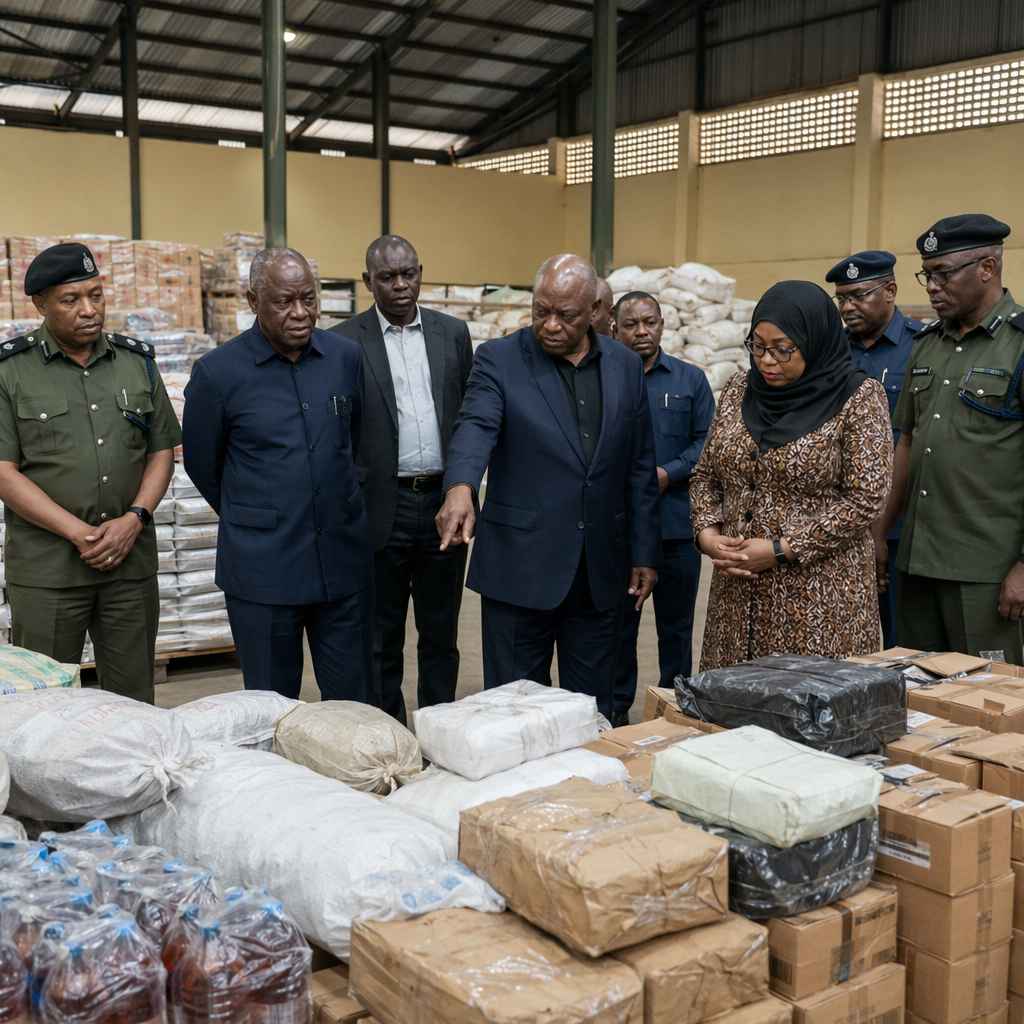
On June 25, 2026, the Tanzania Bureau of Standards (TBS) destroyed 110 tonnes of substandard and prohibited products in Mkuranga District, Coast Region. The total value: over TZS 394 million (approximately $155,000 USD).
Among the destroyed goods were 26 tonnes of prohibited second-hand underwear and towels — a category that Tanzania has specifically banned from import.
From our perspective as a Chinese exporter shipping used clothing to Tanzania and East African markets, this event has been misunderstood by many in the trade. This article explains exactly what happened, why it happened, and what it means for used clothing importers across Africa and Asia.
⏱ 9 min read · For used clothing importers serving East Africa
In this article:
- What TBS destroyed and why — the facts behind the headlines
- Why underwear is banned but general used clothing is not
- What this means for importers in Tanzania and neighboring markets
- The growing trend of regulatory enforcement across East Africa
- How working with quality-focused suppliers protects your business
📋 What Actually Happened in Mkuranga
On June 25, 2026, the Tanzania Bureau of Standards conducted a large-scale destruction of confiscated goods. The breakdown of the 110 tonnes destroyed:
| Category | Quantity | Reason for Destruction |
|---|---|---|
| ❌ Second-hand underwear & towels | 26 tonnes | Prohibited category — banned by TBS regulations |
| 💄 Banned cosmetics | 8 tonnes | Contained hydroquinone, mercury — health hazard |
| 🥫 Expired food products | 3 tonnes | Expired, unfit for consumption |
| 🎨 Other substandard goods | 73 tonnes | Paint, household items, etc. |
Key point: The 26 tonnes of mitumba items destroyed were specifically underwear and towels — categories banned for years. This was not a general destruction of used clothing. General used clothing remains legal and widely traded in Tanzania.
❓ Why Is Second-Hand Underwear Banned?
Public Health Concerns
The primary reason Tanzania and other East African countries ban second-hand underwear is public health. Intimate apparel comes into direct contact with sensitive skin areas, and there is no practical way to ensure that used underwear has been adequately sterilized. TBS officials have specifically cited dermatological and epidemiological risks, noting that skin infections, fungal conditions, and other transmissible diseases can be spread through contaminated clothing.
Global Precedent
Tanzania is not alone in this approach. Many countries across Africa, Asia, and even Europe restrict or prohibit the import of second-hand underwear. The WHO and national health agencies generally recommend against the reuse of intimate apparel. Tanzania’s enforcement is consistent with international best practices.
What This Means for Importers
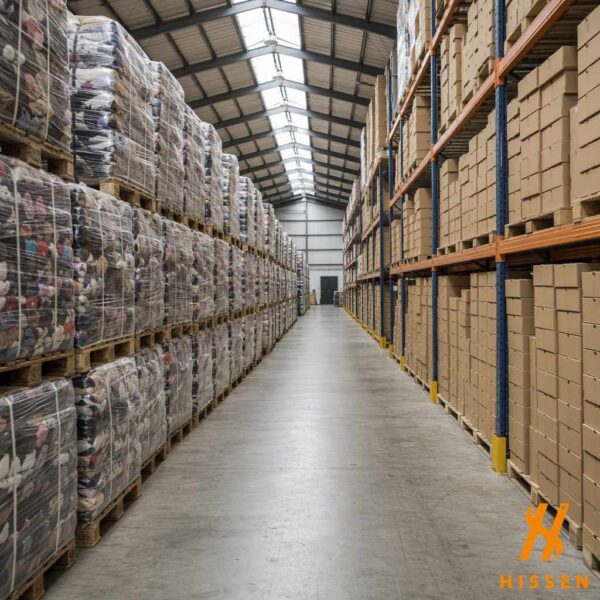
If you are importing used clothing into Tanzania or transiting through Tanzanian ports to neighboring countries, you need to ensure your bales do not contain prohibited items. This is not difficult — professional sorting facilities already remove underwear and towels during the grading process. The issue typically arises with lower-grade or unsorted bales where sorting has been incomplete.
Tanzania — like many countries — classifies second-hand underwear as a health risk due to hygiene concerns, dermatological risks, and regulatory precedent. This is not unique: Kenya, Uganda, Rwanda, and many other countries have similar restrictions on second-hand intimate apparel.
👖 Pants
👗 Dresses
🧥 Jackets
🧴 Towels
🌍 The Bigger Picture: East African Enforcement Is Tightening
Understanding TBS Enforcement Patterns
The June 2026 Mkuranga destruction is the second major TBS enforcement action in under a year. Between October 2025 and February 2026, TBS destroyed 4.5 tonnes of contraband — including bales of unsterilized second-hand underwear — across Dodoma, Singida, and Iringa regions. The June 2026 action is significantly larger (26 tonnes vs 4.5 tonnes), suggesting that TBS is scaling up its enforcement capability.
This pattern suggests that TBS is becoming more systematic in its approach. Importers should expect continued or increased enforcement, not a relaxation of standards. Those who ensure their supply chain is compliant now will avoid problems later.
| Country | Recent Action | Impact |
|---|---|---|
| 🇹🇿 Tanzania | 26 tonnes banned mitumba destroyed (Jun 2026) | Banned categories enforced. General trade legal. |
| 🇰🇪 Kenya | Finance Bill 2026 — proposed mitumba tax | Tax changes, not bans |
| 🇺🇬 Uganda | 30% environmental levy on used clothing | Higher costs, trade remains legal |
| 🇷🇼 Rwanda | $2.50/kg tariff (since 2016) | Highly restrictive |
✅ How to Ensure Your Shipments Comply
Working with Chinese Suppliers Who Sort Properly
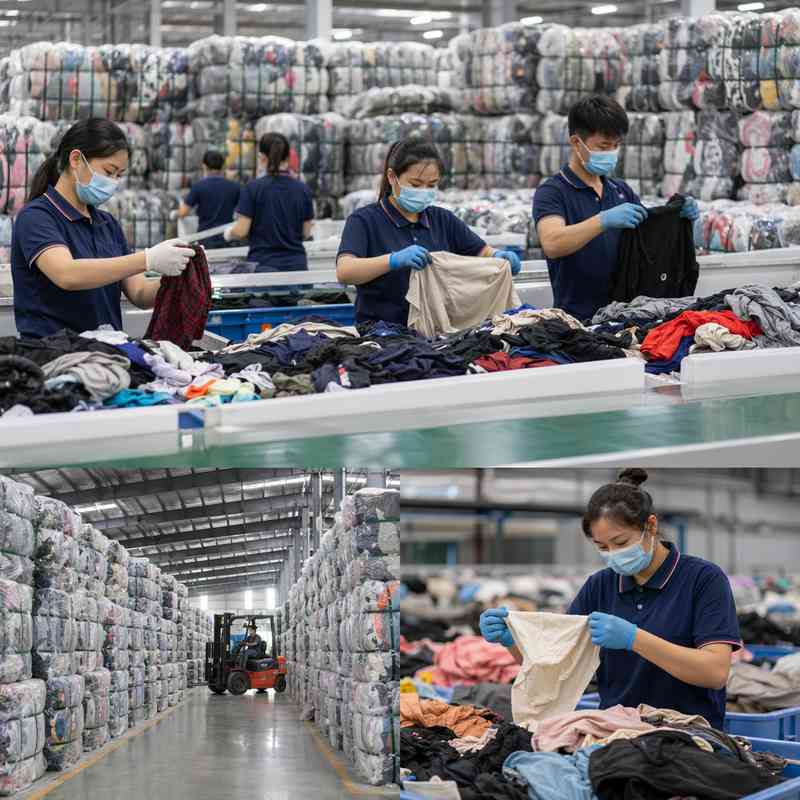
From our experience as a Chinese exporter, here is how professional sorting facilities handle the categories that East African regulators care about:
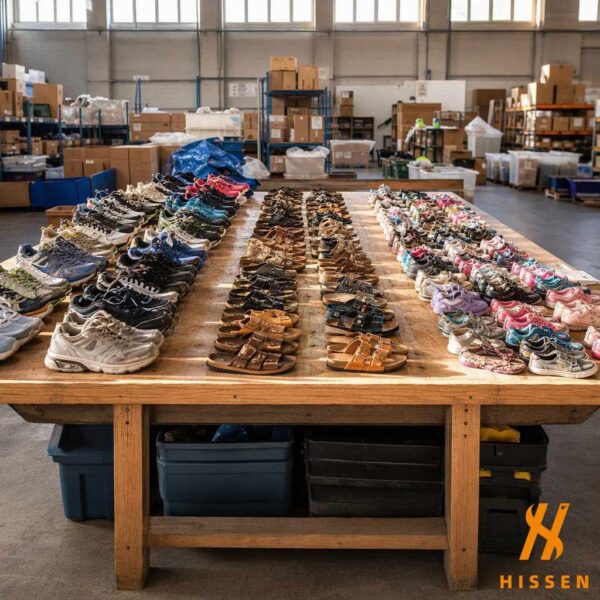
- During initial sorting, workers separate items by type. Underwear and towels are immediately diverted to a separate stream — not baled with general clothing.
- Items that pass the initial sort are graded by quality (A Grade, B Grade). Only items meeting the grade standard are baled.
- Final bale composition is documented, including category breakdowns. This documentation can be shared with buyers and customs officials.
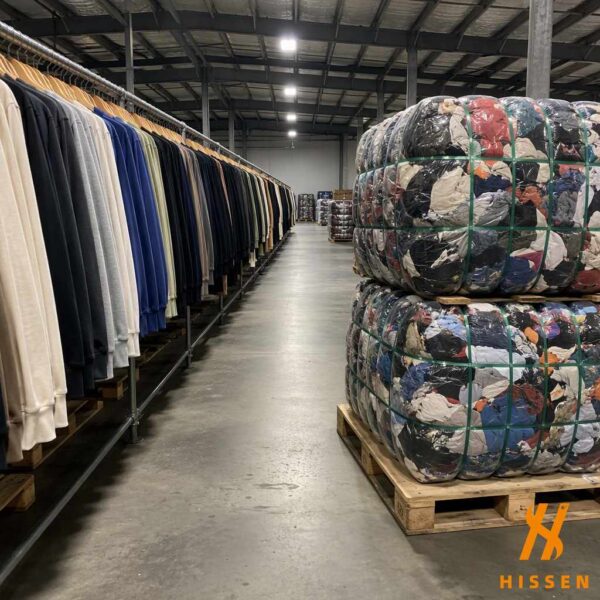
This process ensures that A Grade bales leaving professional Guangzhou facilities contain 95%+ sellable general clothing with no prohibited categories. Our own facility follows this process for every bale we export.
- 📋 Know the banned categories. Underwear and intimate apparel are banned or restricted in most East African countries. Do not import them. If they appear in your bales, remove them before distribution. Keeping prohibited items in your inventory creates legal risk for your entire business.
- 🔍 Choose suppliers who sort properly. Professional Chinese exporters separate banned categories during sorting. Ask your supplier if they remove underwear before baling.
- 📦 Grade matters. A Grade bales from reputable suppliers contain 95%+ sellable items with banned categories already removed.
- 🌍 Watch the regulatory trend. East African countries are increasing enforcement. Stay informed and adapt.
- 🤝 Work with transparent suppliers. Documented sorting processes protect you from regulatory surprises. A supplier who can show you their sorting line on a live video call is more likely to be thorough than one who cannot.
Real Cost of Non-Compliance
Beyond the direct loss of seized goods, non-compliance carries additional costs: storage fees while shipments are held, demurrage charges at ports, legal costs to resolve disputes, and reputational damage that affects future business. A single seizure can wipe out the profit from multiple containers. Investing in quality supply chain compliance is not an expense — it is insurance.
📊 Tanzania Compared: Enforcement Across East Africa
To understand where Tanzania’s actions fit in the regional context, here is a comparison of used clothing import regulations across East Africa:
| Country | Import Duty | Additional Taxes | Banned Items | Recent Enforcement |
|---|---|---|---|---|
| Tanzania | 35% + 18% VAT + 1.5% IDF | — | Underwear, towels | 26T destroyed Jun 2026 |
| Kenya | ~16% VAT + declaration fee | Proposed 1.5% presumptive tax | Underwear | Finance Bill 2026 debate |
| Uganda | 25% + 18% VAT | 30% environmental levy | Underwear | Levy effective Jun 2026 |
| Rwanda | .50/kg specific tariff | — | Underwear | High tariff since 2016 |
What this comparison reveals: every East African country bans underwear and intimate apparel. Tanzania’s enforcement is not unusually strict — it is simply the most visible. The region is moving toward higher regulation, but general used clothing imports remain legal in all four countries.
🇨🇳 A Chinese Exporter Perspective
The TBS action is reasonable. Banned categories like underwear should not be shipped. Professional sorting facilities — whether in China, Europe, or elsewhere — remove these items before baling.
At Hissen Global, our A Grade mixed bales contain 95%+ sellable general clothing. Underwear and banned categories are removed during sorting. We have shipped thousands of containers to East Africa without regulatory issues, because we sort properly and document our processes. Our China suppliers guide has more information.
📈 The Economic Reality of the Mitumba Trade in Tanzania
To understand why Tanzania is unlikely to ban general used clothing imports, consider the economic factors. Used clothing provides affordable apparel to millions of Tanzanian consumers who cannot afford new clothing. The mitumba trade supports thousands of jobs in sorting, transportation, and retail. A full ban would cause economic disruption that no government would undertake lightly.
What Tanzania is doing — and what other East African countries are doing — is regulating the trade more effectively. Banning specific categories that pose health risks, ensuring proper tax collection, and cracking down on genuinely substandard goods. These are reasonable policy goals that do not threaten the legitimate mitumba trade.
The key lesson for importers: comply with the rules that exist, and you will have no problems. Attempting to bypass regulations by shipping prohibited items or under-declaring shipments creates risk that is entirely avoidable.
📈 The Future of Used Clothing Regulation in Tanzania
Looking ahead, several trends will shape the regulatory environment for used clothing imports into Tanzania:
- Increased TBS capacity. The agency has demonstrated growing capability to conduct large-scale destructions. Expect more frequent enforcement actions.
- Regional coordination. East African countries are increasingly sharing information about import violations. A shipment rejected in Tanzania may face scrutiny in Kenya or Uganda.
- Consumer awareness. As public awareness of quality standards grows, the market for lower-grade bales may shrink. Importers who focus on quality will be better positioned.
- Technology adoption. AI-assisted sorting and documentation systems are becoming more common in professional facilities. These systems provide better traceability and compliance documentation.
❓
Selecting the Right Supplier for East Africa
Not all used clothing suppliers are equipped to serve the East African market properly. When evaluating suppliers for shipments to Tanzania, Kenya, or Uganda, ask these specific questions:
- Do you remove underwear and intimate apparel during sorting? How do you ensure these items do not enter bales?
- What is your A Grade definition? Can you provide photos of actual bale contents?
- Do you offer live video verification of your sorting process?
- Can you provide a detailed packing list showing category breakdown per bale?
- What experience do you have shipping to East Africa specifically?
The answers to these questions will tell you more about a supplier’s suitability for your market than any price quote. A supplier who can answer all five confidently and transparently is a partner you can build a long-term business with.
Frequently Asked Questions
Is Tanzania banning used clothing imports?
What categories of used clothing are banned in Tanzania?
How can I avoid having my shipments seized?
Do Chinese suppliers remove underwear from bales?
🚢 Shipping to Tanzania: What You Need to Know
For importers considering the Tanzanian market, here are the key logistics facts:
- Primary port: Dar es Salaam — the main entry point for containerized cargo, handling the majority of used clothing imports
- Transit from China: 18-25 days from Guangzhou to Dar es Salaam — competitive shipping times
- Container costs: Approximately ,500-4,000 per 40ft container depending on carrier and season (June 2026 rates)
- Free time: Typically 14-21 days at Dar es Salaam before demurrage applies
- Documentation: Commercial invoice, packing list, Bill of Lading, fumigation certificate, certificate of origin
- HS code: 6309.00 for used clothing — ensure your supplier uses correct classification
Tanzania’s import process is straightforward for compliant shipments. The key is working with a supplier who provides complete documentation and sorts properly — eliminating the risk of banned categories appearing in your bales.
📦 Build a Compliant Supply Chain
Regulatory enforcement in East Africa is increasing — but the trade continues. Importers who work with quality-focused suppliers who remove banned categories and document their sorting will navigate these changes smoothly.