Published June 17, 2026 · Industry analysis by Hissen Global editorial team
The UN Just Stepped Into the Used Clothing Trade. Here’s What Every Importer Needs to Know.
On June 23, 2026, the Bureau of International Recycling (BIR) and the United Nations Conference on Trade and Development (UNCTAD) will meet in Geneva for a watershed moment in our industry.
For the first time, global regulators are sitting down to define what “used clothing” actually means — and the result will affect every importer, wholesaler, and reseller in the second-hand apparel trade.
Ahead of the meeting, a study conducted in Tanzania and Uganda dropped a number that every used clothing importer should know: 96%.
⏱ 7 min read · For used clothing importers & wholesalers
In this article:
- What the UN standards meeting actually means for your business
- Why the 96% wearable data is a game-changer for importers
- How “waste vs wearable” definitions could affect regulations
- What smart importers should do right now to prepare
📰 The News: Geneva Is About to Set the Rules
The Geneva meeting — officially the BIR/UNCTAD Conference on Harmonizing Definitions in the Used Textile Trade — has two main goals:
- Define the line between “second-hand clothing” (a valuable traded commodity) and “textile waste” (something that can be restricted or banned)
- Create global standards for bale composition, grading, and quality reporting
Right now, different countries classify used clothing differently. What one customs office calls “wearable merchandise” another calls “waste.” This inconsistency creates uncertainty for importers — one shipment clears fine, the next gets flagged.
The Geneva meeting aims to change that. For the first time, there is a serious push for harmonized definitions that every country could adopt.
For importers who have been in this business for years, this is both a risk and an opportunity. Let’s break down why.
🔢 The Number That Changes Everything: 96%
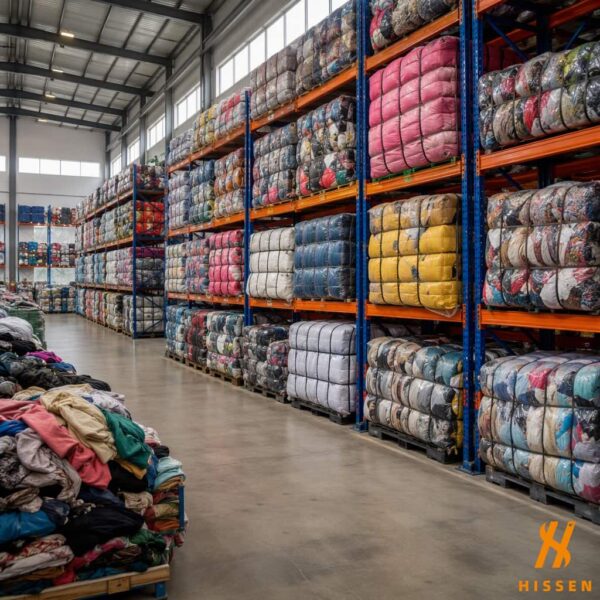
Ahead of the Geneva meeting, researchers conducted on-the-ground studies in Tanzania and Uganda — two of the largest used clothing importers in East Africa. They inspected bales at the point of arrival and measured what percentage of items were truly wearable.
The result: 96% of exported used clothing arriving in these markets was wearable quality.
This number is significant because it directly contradicts a narrative that has been pushed by protectionist groups and domestic textile lobbies for years: that used clothing exports are “dumping waste” on developing countries.
The data says otherwise. The vast majority of what arrives is sellable product — not waste.
💡 Why this matters to you: If the new standards adopt this 96% benchmark, it strengthens the legal basis for used clothing imports worldwide. A documented, verifiable quality standard makes it harder for countries to impose blanket bans based on “waste” arguments.
⚖️ “Waste” vs “Wearable” — Why the Definition Matters
The single most important outcome of the Geneva meeting will be how they define the line between “second-hand clothing” and “textile waste.”
| Category | Current Situation | What Geneva Could Change |
|---|---|---|
| Second-hand clothing | Each country decides what counts as “wearable” — no global standard exists | A harmonized definition based on documented quality criteria |
| Textile waste | Some countries classify any used textile as waste — even if it’s sellable | A clear threshold (e.g., % wearable items per bale) |
| Mixed bales | Some shipments flagged as waste because of small % of unsellable items | Industry-standard acceptable non-sellable percentage |
The outcome matters because how a shipment is classified determines everything — duties, inspection requirements, and whether it can enter the country at all.
If Geneva produces a clear, fair standard that reflects the 96% wearable reality, it could make cross-border trade smoother for every importer.
If the standard is written without industry input, it could create new barriers.
This is why the conference exists — and why importers should be paying attention.
- Each country defines “wearable” differently
- Same bale = “merchandise” or “waste” depending on port
- Arbitrary customs decisions create risk
- No industry-wide quality benchmark
- Unified definition of wearable vs waste
- Consistent quality thresholds (95%+)
- Predictable customs clearance
- Transparent grading across all origins

🌍 What This Means for Import Regulations
Used clothing imports have been under increasing regulatory pressure in recent years. Rwanda raised tariffs by 1,150% in 2016. The East African Community has debated a phased ban. Countries like Uganda and Kenya have faced pressure from domestic textile lobbies.
The Geneva standards could change the regulatory landscape in three ways:
▲ For the better: A clear global definition of “wearable” gives importers a documented defense against arbitrary restrictions. If your bales meet the international standard, it is harder for a customs official to classify them as waste.
▼ For the worse: If the standard is set too high (e.g., requiring 100% wearable items, which is commercially unrealistic), it could become a new non-tariff barrier that restricts trade.
→ The realistic outcome: Most industry observers expect a moderate standard (95-97% wearable for A Grade) that reflects commercial reality while giving regulators a clear framework. This is broadly positive for the trade.
⚠️ Our take: Any regulation creates uncertainty in the short term. But clear standards are better than arbitrary enforcement. A transparent global definition of “wearable” is ultimately good for serious importers — because it separates quality operators from those who ship unsellable goods.
✅ What Smart Importers Should Do Right Now
Whether you import one container a month or fifty, here is practical advice for navigating the coming changes:
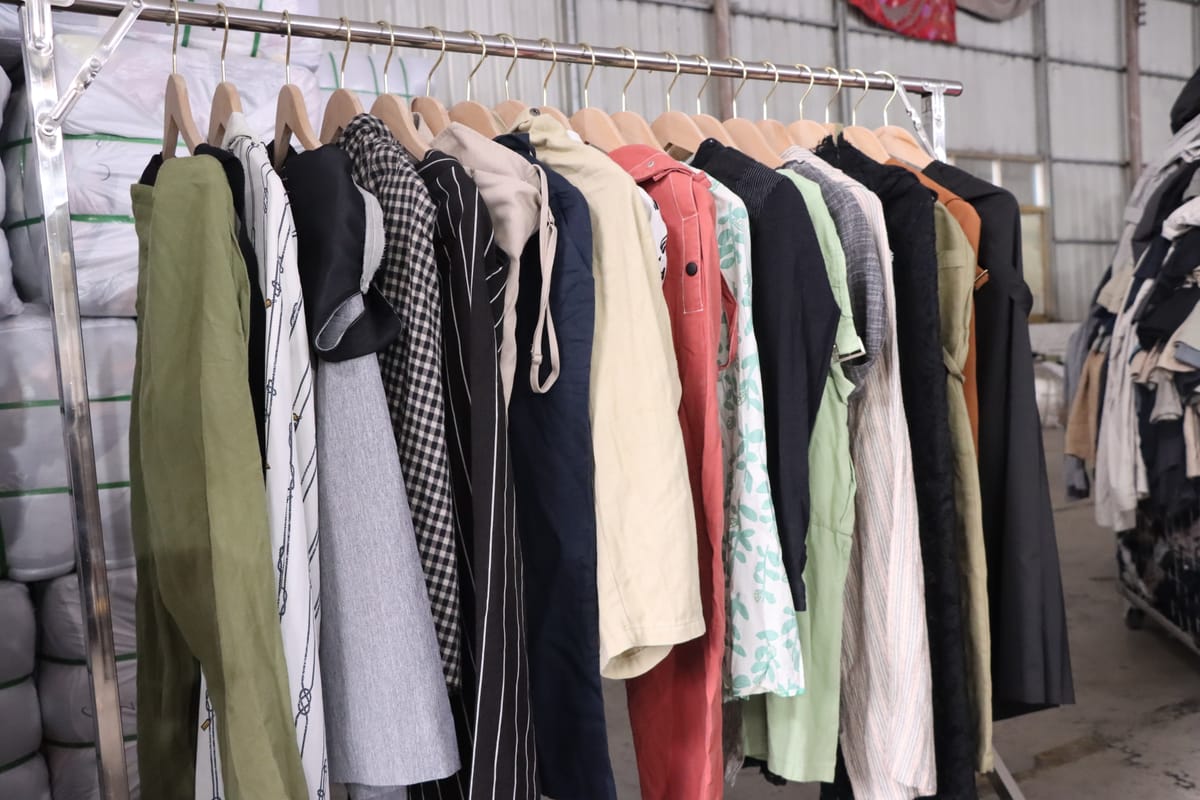
- Document your quality. Start keeping records of bale contents — photos, grading documentation, and supplier quality reports. If new standards require proof of quality, you will have it ready.
- Choose suppliers who grade transparently. The 96% benchmark is achievable — but only if your supplier actually sorts and grades properly. Ask for documented grade definitions and bale composition reports.
- Watch the June 23 outcome. The Geneva conference runs through June 24. Follow the BIR and UNCTAD announcements to understand how the new definitions affect your importing countries.
- Talk to your customs broker. Ask about how your destination country is likely to implement any new standards. Some may adopt them quickly, others slowly.
- Build relationships with quality suppliers. In a regulated market, the importers who consistently receive high-quality bales will have the advantage.
- 📋 Document your quality — Keep bale content records, photos, and grade reports
- 🔍 Verify supplier grading — Ask for documented grade definitions
- 👀 Monitor Geneva — Follow BIR/UNCTAD announcements June 23-24
- 📞 Talk to your broker — Ask how new rules may affect your country
- 🤝 Build quality relationships — Consistent suppliers win in regulated markets
❓ Frequently Asked Questions
What is the BIR/UNCTAD Geneva conference about?
How much used clothing is actually wearable?
Will new standards make importing harder?
Which countries will be affected by these standards?
What is the difference between “used clothing” and “textile waste”?
Smoother imports
Competitive advantage
Higher inspection rates
Potential restrictions
💡 The Bottom Line
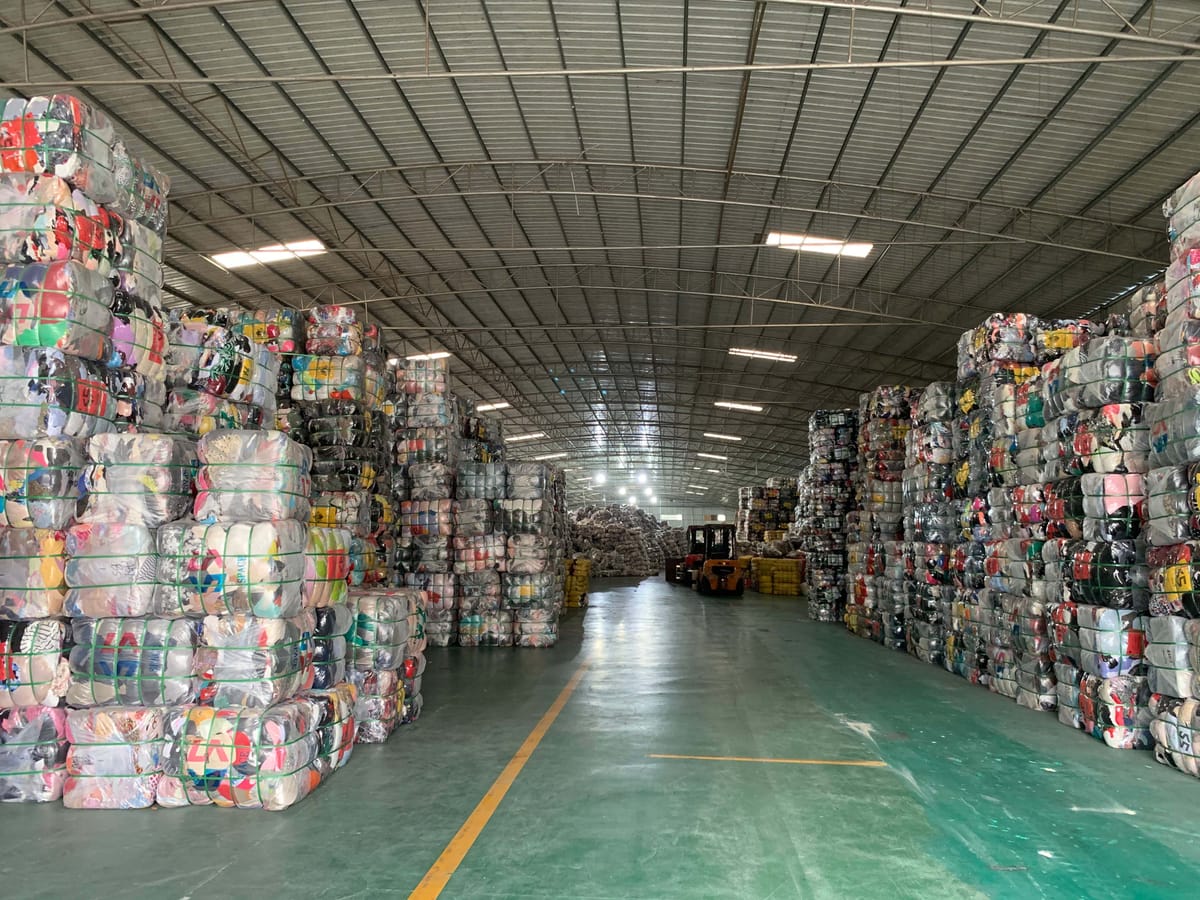
- The 96% wearable study validates what quality importers already know — the trade is legitimate, not “waste dumping”
- Global standards could reduce arbitrary restrictions and create a more predictable trading environment
- Importers who document their quality and work with transparent sorters will benefit most
- The Geneva meeting on June 23 is the most important regulatory event for used clothing this year
📢 Our View: Transparency Wins
The used clothing trade has operated for decades without formal global standards. The Geneva conference signals that this is changing — and that is ultimately a good thing.
Clear definitions protect serious importers from being lumped together with low-quality operators. They give customs officials a framework instead of arbitrary judgments. And they give the industry a factual foundation — like the 96% wearable data — to defend itself against protectionist narratives.
For importers who already work with quality-focused suppliers, the new standards will likely feel like common sense. For those who don’t, there is still time to adjust before the rules take effect.
The most important takeaway: Know your bales. Know your supplier. And stay informed about regulations that affect your business.
— Industry analysis by the Hissen Global editorial team. Our used clothes bales guide covers grading standards, bale composition, and how to evaluate supplier quality.