Used Clothes Japan: Complete Guide to Second-Hand Wholesale Suppliers
✨ Your trusted partner for quality Japanese used clothing exports to Southeast Asia
🌏 Market Overview: Japan’s Used Clothing Export Opportunity
The global second-hand clothing market is experiencing explosive growth.
The global second-hand clothing market was valued at 24.5 billion USD in 2020 and is projected to reach 51 billion USD by 2025[1],
demonstrating the massive opportunity for importers in Southeast Asia, particularly in Malaysia, Indonesia, Philippines, Thailand, and Vietnam.
Japan stands out as a premium source for used clothing. In 2023,
Japan exported 126 million USD in used clothing, ranking 11th globally[2].
The primary destinations are Malaysia (56.2M USD), United Kingdom (18.4M USD), Thailand (10.9M USD), Cambodia (9.98M USD), and South Korea (9.78M USD).
📈 Global Market Size: 51 billion USD by 2025 (12.9% CAGR)
🚢 Japan’s Export Value: 126 million USD in used clothing (2023)
🇯🇵 Japan’s Market Size: 1.1 trillion yen (~7 billion USD, 2023)
🔮 Growth Rate: 10.2% CAGR through 2030
Figure 1: Modern warehouse facilities for Japanese used clothing sorting and processing.
For importers in Malaysia, Indonesia, Philippines, Thailand, and Vietnam, sourcing from Japan means accessing high-quality clothing at competitive prices.
Sustainable fashion and budget-conscious shopping are driving demand for Japanese used clothes across Southeast Asia.
🇯🇵 Why Choose Japan as Your Used Clothing Source?
⭐ Japan’s Unique Competitive Advantages
Japan offers distinct advantages compared to other used clothing sources. The country has a mature recycling infrastructure with thousands of collection points, thrift stores, and corporate partners. Japanese culture emphasizes quality, durability, and proper maintenance, meaning clothes are typically in better condition than from other regions.
Stable Supply
Export Experience
Fast Shipping
| Factor | Japan’s Advantage | Benefit to Importers |
|---|---|---|
| Quality Standards | Japanese consumers prioritize durability and maintenance | Consistent Grade A and B products, minimal defects |
| Collection Infrastructure | 70,000+ collection points across major cities | Reliable, stable supply chain |
| Export Experience | 48+ years of exporting tradition (companies like Nakayama & Co.) | Professional handling and documentation |
| Logistics Hub | Major ports: Tokyo, Yokohama, Osaka, Nagoya, Fukuoka | Flexible shipping routes to SE Asia (2–4 weeks) |
| Product Diversity | Access to casual, branded, premium, and seasonal clothing | Customizable product mix for different markets |

Figure 2: Professional sorting and quality control at Japanese facilities.
📍 Key Source Markets in Japan
Major Japanese cities with established used clothing networks include Tokyo, Osaka, Yokohama, Nagoya, Fukuoka, and Kagoshima. These regions have well-developed recycling centers and exporters with international experience.
“Japanese used clothing has historically been the preferred choice for Southeast Asian importers because of its combination of quality, affordability, and consistent supply.” – Indetexx Export Analysis Report
📊 Japan Second-Hand Market Analysis: Key Insights
📈 Market Size and Growth Trajectory
Japan’s domestic second-hand market is worth 1.1 trillion yen (approximately 7 billion USD) in 2023[3], and
is projected to grow to 15 billion USD by 2030 at a 10.2% CAGR[4]. This growth is driven by:
- 🌱 Increasing environmental awareness and sustainability consciousness
- 💰 Rising costs of new clothing pushing consumers toward second-hand
- 👗 Generational shift: 52% of Japanese luxury consumers have purchased pre-owned items
- 📱 Expansion of online platforms and digital marketplaces
- 🏢 Corporate sustainability initiatives

Figure 3: Digital transformation driving market growth.
🌏 Regional Export Patterns to Southeast Asia
| Destination Country | Annual Import Value | Growth Rate (2022–2023) | Market Opportunity |
|---|---|---|---|
| Malaysia | 56.2M USD | +24.4% | Largest market, fastest growing |
| Thailand | 10.9M USD | +14.6% | Emerging wholesale hub |
| Vietnam | 2.8M+ USD | Growing | High potential market |
| Philippines | 1.2M+ USD | Rising | Developing demand |
| Indonesia | Emerging | High growth | Large untapped market |
Key Finding: Malaysia dominates Japanese used clothing imports, but Thailand, Vietnam, Philippines, and Indonesia show accelerating growth, indicating strong opportunities for new importers.
🧺 Used Clothing Product Categories from Japan
1️⃣ Mixed Used Clothing Bales
Mixed used clothing is the most popular category for wholesale importers. These bales typically include men’s, women’s, and children’s apparel in various styles—from casual wear to formal clothing. Japanese mixed bales are known for consistent quality and diverse assortments suitable for retail shops.
Grade A (Cream Quality)
Barely worn, excellent condition, minimal fading or damage. Best for premium retail shops and higher-income markets.
Grade B (Very Good)
Good wearable condition, light wear visible. Ideal for mainstream retail and price-sensitive markets.
Mixed Mix
Combination of A and B grades. Most cost-effective option for bulk buyers seeking diverse inventory.
2️⃣ Japanese Second-Hand Shoes & Footwear
Used shoes wholesale from Japan is a high-margin category in Southeast Asia. Japanese footwear includes:
- Sports shoes & sneakers: Nike, Adidas, Puma, ASICS (popular in Philippines, Indonesia)
- Casual shoes: Loafers, slip-ons, boat shoes
- Formal shoes: Business dress shoes, leather footwear
- Seasonal footwear: Winter boots, rain boots, sandals
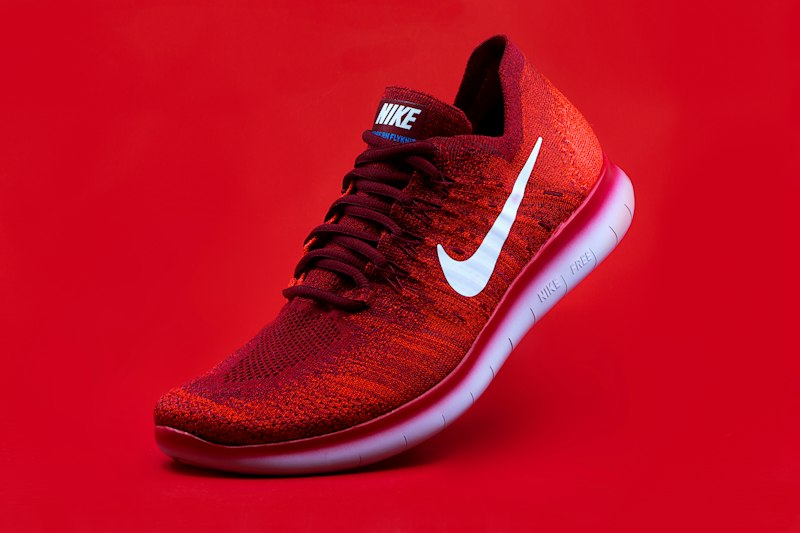
Figure 4: Diverse Japanese footwear collection ready for export.
3️⃣ Branded & Premium Japanese Clothing
High-quality branded items from Japanese luxury and premium brands command premium prices in Southeast Asian markets. Categories include:
- Uniqlo, Muji, Gap outlet clothing
- Japanese domestic brands (Beams, Journals Standard, United Arrows)
- International luxury brands sold in Japan
- Designer vintage items with collector value
4️⃣ Seasonal Collections
| Season | Primary Items | Best Markets |
|---|---|---|
| Summer (June–Aug) | T-shirts, shorts, light dresses, sandals | Malaysia, Thailand, Philippines |
| Winter (Nov–Jan) | Jackets, sweaters, thermal wear, boots | Vietnam, Myanmar (highland areas) |
| Spring/Fall | Layering items, cardigans, light jackets | All SE Asian markets |
🏢 About Hissen Global: Your Japan Used Clothing Partner
Who We Are
Hissen Global is a world leader in recycling used fashion. We help businesses in Africa, Southeast Asia, and the Middle East get the best second-hand clothes, shoes, and bags.
We operate out of a giant 20,000-square-meter facility with 400 dedicated staff members. Because we are so careful about how we sort our products, we have built long-term friendships with partners in more than 110+ countries.
Why Hissen Global for Japanese Used Clothes?
Sourcing Expertise
Direct relationships with major Japanese exporters (Nakayama & Co., Ecommit, J&J Trading) and collection centers.
Quality Assurance
Five-round quality inspections ensuring consistent Grade A & B standards.
Supply Chain Control
1,500 tons of inventory across 2 processing factories with 20,000m² capacity.
Logistics Network
6 overseas warehouses and direct port connections enabling fast delivery.
Custom Solutions
Flexible MOQs, custom bale sizes, market-specific product selection.
Market Knowledge
13+ years experience with 110+ countries in Africa, Middle East, SE Asia.

Figure 5: Professional warehouse operations and quality control systems.
✅ Quality Standards & Process: How We Ensure Excellence
Multi-Layer Quality Control System
Every container of used clothes from Japan undergoes rigorous inspection to meet international standards and your expectations.
| QC Stage | Process | Standards | Outcome |
|---|---|---|---|
| Stage 1: Intake | Receive and categorize items from Japanese sources | Remove obviously defective items | Pre-sorted inventory |
| Stage 2: Washing | Clean items to remove dust and mild odors | Gentle cycle, non-damaging | Fresh, clean apparel |
| Stage 3: Sorting | Grade by condition (A, B) and category | Size/gender/season consistency | Organized inventory |
| Stage 4: Inspection | Detailed item-by-item review | Check zippers, stains, damage | Defect-free products |
| Stage 5: Packing | Compress into industry-standard bales (20–100kg) | Proper labeling, weight consistency | Ready-to-sell containers |
Certifications & Compliance
- 📄 BV Certificate (Bureau Veritas)
- 📄 SGS Inspection & Testing
- 🌴 Fumigation Certificate (for tropical destinations)
- 📦 Commodity Inspection Documentation
- 🏅 ISO 9001, ISO 14001, ISO 45001 Certified

Figure 6: Rigorous quality control ensuring consistent standards.
💵 Pricing, MOQ & Logistics: Complete Breakdown
Container Pricing for Used Clothes Japan
A typical 20ft container of Japanese used clothing costs approximately 50,000 USD, depending on product mix and market conditions.
| Container Type | Estimated Cost | Product Mix | Est. Weight | Items Count |
|---|---|---|---|---|
| 20ft FCL Mixed | 48,000–52,000 USD | Mixed grades & categories | 10–12 tons | 15,000–18,000 items |
| 20ft FCL Grade A Focus | 52,000–58,000 USD | Premium grade concentration | 8–10 tons | 12,000–15,000 items |
| 20ft FCL Shoes Focus | 50,000–55,000 USD | 50%+ footwear | 10–12 tons | 8,000–12,000 pairs |
| 40ft FCL Standard | 95,000–105,000 USD | Double 20ft content | 20–24 tons | 30,000–35,000 items |
Minimum Order Quantity & Payment Terms
- 📦 MOQ: 1 × 20ft container (standard)
- 💳 Payment Terms: 30% deposit, 70% before shipment (negotiable for established partners)
- ⏳ Lead Time: 7–14 days from order confirmation to loading
- 🛡 Quality Guarantee: Full refund for items below agreed standards
Sea Freight & Logistics from Japan to Southeast Asia
| Route | Transit Time | Port of Origin | Freight Cost (Approx) | Total Delivered Cost |
|---|---|---|---|---|
| Japan → Malaysia | 8–12 days | Yokohama/Kobe | 1,200–1,800 USD | 51,200–53,800 USD |
| Japan → Thailand | 10–14 days | Yokohama/Kobe | 1,400–2,000 USD | 51,400–54,000 USD |
| Japan → Philippines | 12–16 days | Yokohama/Kobe | 1,600–2,200 USD | 51,600–54,200 USD |
| Japan → Vietnam | 10–14 days | Yokohama/Kobe | 1,300–1,900 USD | 51,300–53,900 USD |
| Japan → Indonesia | 12–18 days | Yokohama/Kobe | 1,500–2,100 USD | 51,500–54,100 USD |
Order Process & Timeline
- Day 1: Submit inquiry with product requirements and destination
- Day 2: Receive detailed quotation with FOB and all-in pricing
- Day 3: Confirm order and submit 30% deposit
- Day 4–10: Product sorting, inspection, and baling
- Day 11: Final quality check and container loading
- Day 12: Port documentation; pay remaining 70%
- Day 13–30: Sea transit to destination port

Figure 7: International shipping containers ready for SE Asia destinations.
🏆 Success Case: Indonesia Multi-Store Operation
📍 The Challenge
A major retailer in Indonesia operating 65 second-hand clothing shops across multiple cities (Jakarta, Surabaya, Bandung) needed consistent wholesale supply of quality used clothing to support rapid expansion and maintain competitive pricing.
📈 The Solution
Hissen Global provided:
- Monthly containers of mixed Grade A/B Japanese used clothing
- 50% apparel, 50% shoes mix optimized for Indonesian market preferences
- Flexible payment terms for volume commitment (quarterly orders)
- Custom bale sizes for different store types (flagship vs. regular)
- Dedicated account management and priority logistics
✔ Results Achieved
- Margin improvement: 35–40% retail margin on Japanese stock (vs. 25–30% on competitors)
- Inventory turnover: 2.5× faster due to quality and freshness
- Customer satisfaction: 92% repeat purchase rate
- Expansion: Scaled to 65 shops with consistent supply
- Partnership: Ongoing quarterly shipments for 2+ years
Quote: “Working with Hissen Global transformed our business. The quality is exceptional, the pricing is transparent, and they actually understand our market. I recommend them to every importer I meet.” – Indonesian Retail Partner

Figure 8: Successful retail shops selling Japanese second-hand clothing.
🧭 How to Choose Your Japan Used Clothing Supplier
Critical Evaluation Criteria
When selecting a used clothes Japan supplier, ask these essential questions:
| Evaluation Factor | What to Ask | Red Flags | Green Flags |
|---|---|---|---|
| Sourcing | Where do they source their Japanese clothing? | Vague answers, unnamed sources | Names specific Japanese cities, exporters, collection centers |
| Quality Control | Can they explain their grading system? | No documented QC process | ISO certified, multi-stage inspections, defect accountability |
| Track Record | How many years in business? References? | New company, no references | 10+ years, 100+ countries, 70%+ repeat rate |
| Transparency | Are all costs clearly itemized? | Hidden fees, unclear pricing | Detailed quotes, FOB/delivered pricing, zero surprises |
| Market Knowledge | Do they understand SE Asian preferences? | One-size-fits-all approach | Customized mixes by country, seasonal expertise |
| Support | What after-sales support is included? | No contact after shipment | Dedicated account manager, issue resolution SLA |
Questions to Ask Potential Suppliers
- ✔ Can you provide samples from your last 3 containers to similar markets?
- ✔ What is your defect rate? (Target: <2%)
- ✔ Do you have BV/SGS certifications?
- ✔ What happens if I receive below-standard goods?
- ✔ Can you accommodate custom product mix requests?
- ✔ What are your payment terms for new vs. established customers?
- ✔ How flexible is your lead time?
- ✔ Do you have warehouses in my region for faster fulfillment?
Why Hissen Global Stands Out
✔ 13+ years of Japan sourcing experience | Direct relationships with Nakayama & Co., Ecommit, and other top exporters.
✔ 70%+ repeat customer rate | Proven satisfaction across 110+ countries.
✔ ISO 9001/14001/45001 certified | Professional quality assurance.
✔ 20,000m² facility with 400 staff | Scale to meet large orders reliably.
✔ 6 overseas warehouses | Regional presence for faster delivery.
✔ Transparent pricing | No hidden fees, detailed itemization.
🚀 Ready to Source Japanese Used Clothing for Your Market?
Join 110+ countries partnering with Hissen Global for premium second-hand clothing sourcing.
Get your free quotation today. First-time buyers receive a 5% volume discount.
📧 Email:
[email protected]
| 🌐 Website:
www.hissenglobal.com
| 📍 Headquarters: 20,000m² Facility, Global Operations
📝 Key Takeaways: Used Clothes Japan Market Summary
- Market Opportunity: Global used clothing market reaching 51B USD by 2025; Japan a top supplier
- Quality Advantage: Japanese used clothes 40–60% cheaper than new, 2–3× better condition than other used sources
- SE Asia Demand: Malaysia leads with 56M+ USD annual imports; Indonesia, Philippines, Vietnam showing 15–25% annual growth
- Product Range: Mixed bales, shoes, branded items, seasonal wear—all available in customizable formats
- Pricing: 48,000–52,000 USD per 20ft container; MOQ of 1 container; 8–18 day transit to SE Asia
- Quality Standards: Multi-stage inspections, ISO certifications, fumigation certificates for tropical shipping
- Hissen Global Advantage: 13+ years, 110+ countries, 70%+ repeat rate, certified facilities
🔗 References & Data Sources
- [1] Global Second-Hand Clothing Market Report – Projected to reach 51 billion USD by 2025 (12.9% CAGR)
- [2] Observatory of Economic Complexity (OEC) – “Japan Used Clothing Exports 2023” – Data showing 126M USD export value, ranking 11th globally
- [3] Statista – “Japan Fashion Reuse Market Value 2023” – 1.1 trillion yen market size
- [4] Verified Market Reports – “Japan Second-hand Clothing Market 2023-2030” – 7B to 15B USD growth projection at 10.2% CAGR
- [5] Indetexx Export Analysis – “Top Japanese Used Clothing Suppliers in the World” – Industry benchmarking and competitor analysis