Sourcing second hand clothes in bulk has become a common topic among resellers, especially as the global used apparel market keeps expanding in slightly unpredictable ways. Demand rises, yet supply varies with donation cycles, regional habits, and even small social trends. Some buyers mention that the best batches often appear when least expected, while others rely on more structured channels. The process isn’t perfectly linear, but it offers plenty of opportunities for those who understand where reliable suppliers usually operate.
The Places To Buy Second Hand Clothes In Bulk
Finding dependable sources for bulk second hand clothing has become an increasingly discussed topic, especially as the global resale market passed 200 billion USD in 2024. Buyers often look for suppliers that provide steady grading, reasonable pricing, and predictable shipping, but no single source fits all situations. The used clothing trade naturally has some variations, and this guide gives a realistic overview of the most common channels people turn to today, mixing general observations with practical considerations.
1. Wholesale Suppliers and Sorting Factories
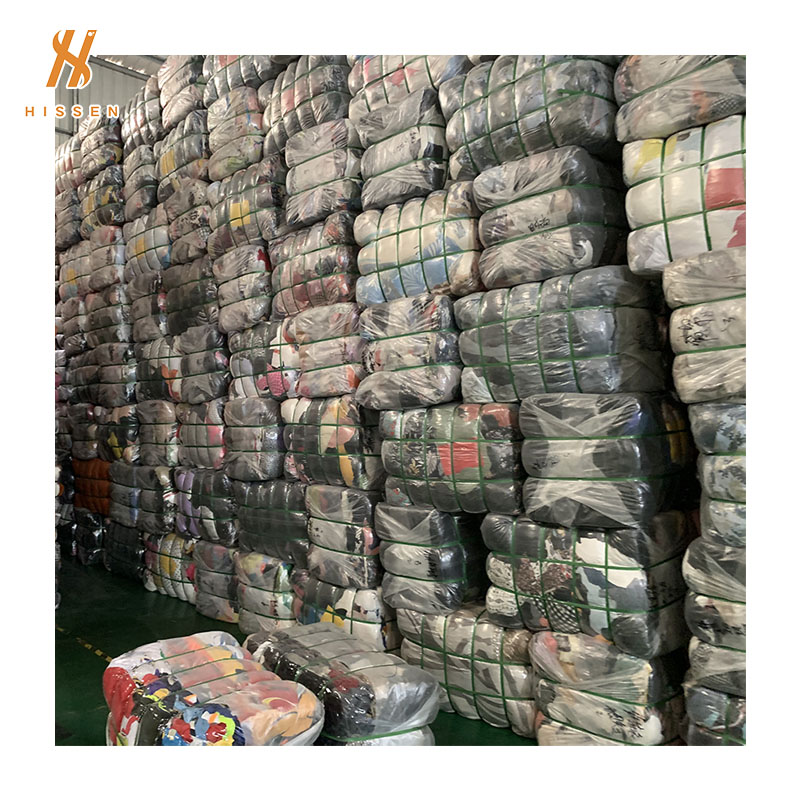
Large-scale sorting factories remain one of the most stable ways to purchase bulk used clothing. Many factories source materials from municipal recycling programs or charity collections, especially in countries like the United States, Japan, the UK, and parts of Western Europe. These regions usually generate cleaner clothing streams because donation systems are well-established.
Factories often grade items into categories such as summer wear, winter wear, mixed rags, and premium pieces. Quality varies, but structured facilities tend to provide more consistent bales. Asian second hand clothes in bulk suppliers, particularly in China, Malaysia, and Thailand, are known for offering more category options, while American suppliers often deliver more durable garments like denim and workwear. Some buyers even prefer slight variations because different markets respond to different looks and textures.
2. Online B2B Marketplaces
Digital platforms have made sourcing bulk second hand clothing more accessible, though experiences can vary. Websites such as Alibaba, Global Sources, and Tradewheel list hundreds of used clothing exporters. Many sellers offer videos of packing, bale samples, and seasonal stock updates. However, because these marketplaces host many different second hand clothes in bulk suppliers, the quality control depends heavily on the individual company behind each listing.
3. Local Second Hand Clothes In Bulk Markets
Local wholesale markets remain a surprisingly reliable resource in several regions. Markets in cities such as Lagos, Nairobi, Manila, Guadalajara, and Karachi have long-standing networks of importers who receive containers and resell smaller bulk lots. These hubs often carry a mix of American, European, and Asian goods. Quality differences can be noticeable from one stall to another, but the advantage here is immediate inspection. Buyers can touch fabrics, check zippers, and get a sense of how consistent the bundles are.
Prices in local markets change based on seasonal demand. For instance, winter jackets become more expensive around August to October in African hubs due to early stocking for cooler months.
4. Auctions and Charity Organizations
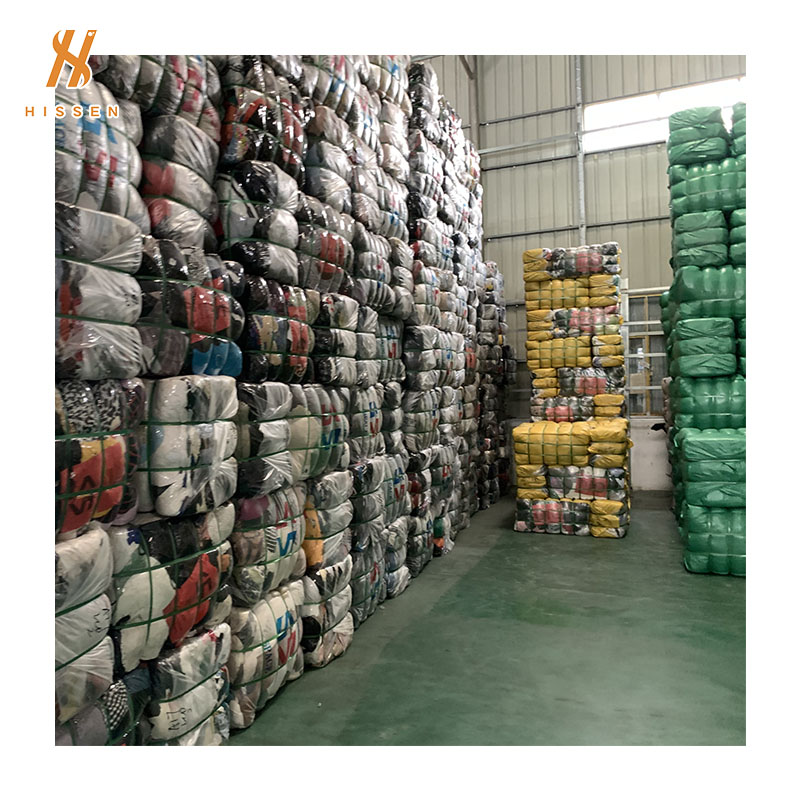
Several Western countries operate textile auctions where clothing collected from donation bins is sold in large lots. The United States generates more than 17 million tons of textile waste per year, and a portion is distributed through auctions or nonprofit recycling systems. Buying through auctions can be unpredictable, but some traders view this unpredictability as an opportunity. The clothes are usually unsorted, used wholesale men’s clothes, women’s, and children’s clothes will be mixed together,which means lower prices but also more time needed for sorting afterward.
Charity organizations in the UK and Germany sometimes work with long-term bulk second hand clothing partners. These partnerships are not always easy to access for new buyers, but those who establish trust often get reliable, ongoing supply.
Regional Export Hubs Of Bulk Second Hand Clothing
Certain cities function as major export hubs for bulk second hand clothing due to their access to large donation streams and shipping routes. Dubai, for instance, is a large re-export center where mixed goods from Europe, Asia, and the Middle East are sorted and shipped onward. Guangzhou and Qingdao in China have rapidly grown as textile recycling clusters, offering competitive prices and numerous bale types. In the United States, Houston and New Jersey remain active shipment points for African and Central American trade routes. If you’d like to learn more about American second-hand suppliers, please read Top 5 Used Clothing Suppliers In USA.
Export hubs work well for buyers needing steady full-container loads. These second hand clothes in bulk suppliers’ advantage is volume,which is still quiet important. Alhough category precision can sometimes fluctuate depending on weekly intake.
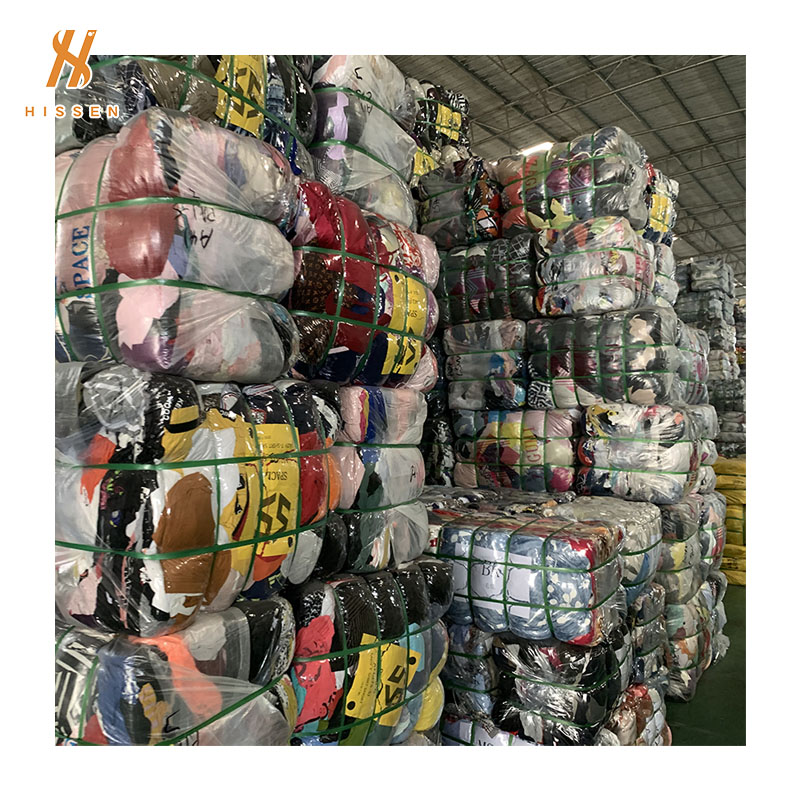
What to Consider Before Choosing a Bulk Second Hand Clothes Supplier
Bulk second hand clothing come with natural inconsistencies, so choosing the right channel depends on several factors.The most important is the market. Market preference plays a huge role; West African markets tend to favor sturdy jeans, sportswear, and workwear, while Southeast Asian buyers often seek lighter seasonal items. Shipping time, container availability, and regional customs rules also influence the final cost.
Useful points to evaluate include:
• The bulk second hand clothing supplier’s primary sourcing region
• How transparent the grading system is
• Whether the bulk second hand clothing supplier can provide stable long-term volumes
• Bale weights, usually between 45–100 kg depending on region
• Seasonal stock variations, which can affect resale timing
While perfect uniformity in used clothing doesn’t exist, understanding each channel’s characteristics helps reduce risk. Most successful bulk buyers in the world will gradually combine sources and find a reliable supplier.