Published July 15, 2026 · Market analysis for used clothing importers
Children Used Clothing Market Grows 9.4% — Why Kids Wear Is a Rising Opportunity for Importers in Africa, Asia & South America (2026)
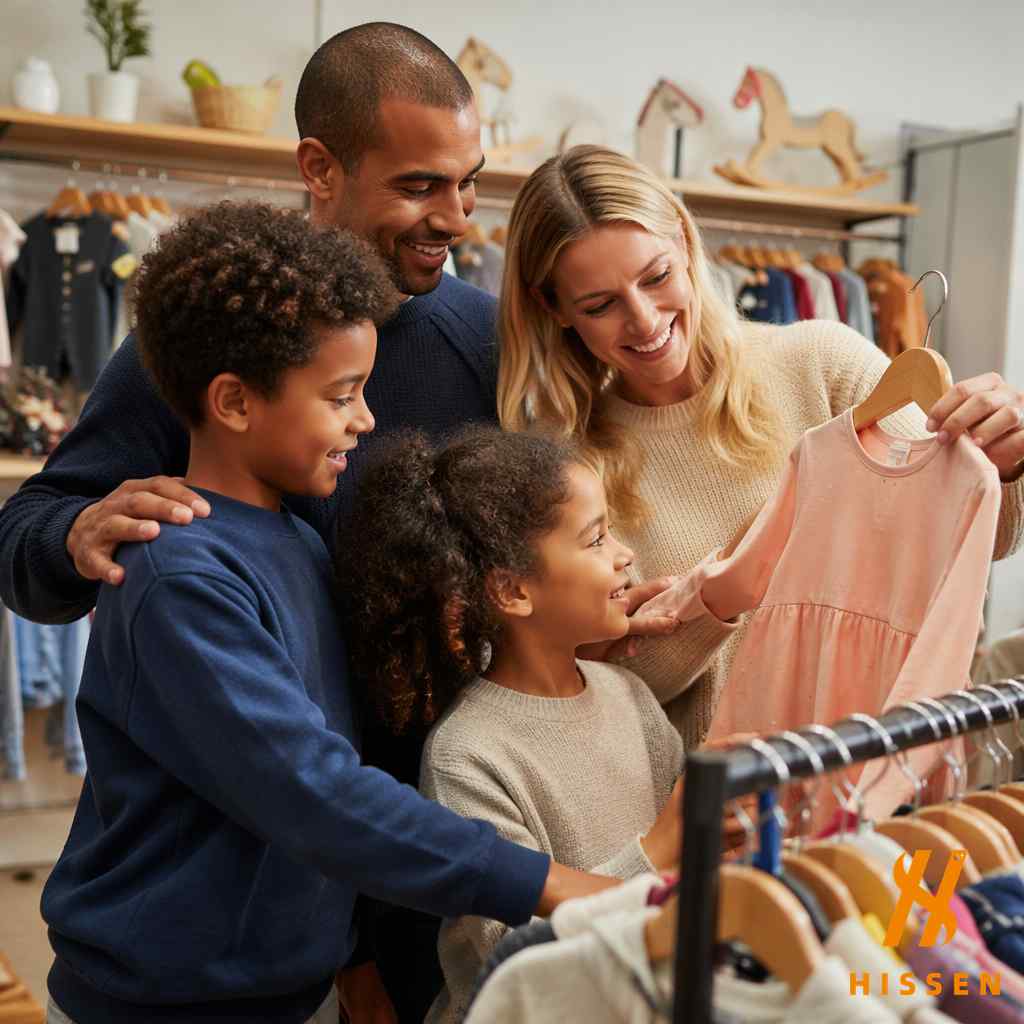
A quiet shift is happening in the used clothing trade. While most importers focus on ladies fashion and mixed bales, the children used clothing market is growing at 9.4% annually — outpacing the overall secondhand apparel market. In the UK alone, 43% of parents now buy second-hand children clothing, up 28 percentage points year-on-year.
From our perspective as a Chinese exporter shipping used clothing to 110+ countries, kids wear represents one of the most accessible growth opportunities for importers. The demand is consistent, the competition is lower than adult categories, and the quality is often excellent — children outgrow clothes long before they wear them out.
This guide covers the children used clothing market opportunity, what makes kids bales different from adult bales, and how importers can source children clothing profitably.
⏱ 9 min read · For importers exploring the kids wear segment
- Why the children used clothing market is growing 9.4% annually
- How kids bales differ from adult bales — weight, piece count, and value
- Market demand across Africa, Asia, and South America
- Profit potential and pricing benchmarks
- How to source children clothing bales from Chinese suppliers
📈 The Children Used Clothing Market — Key Facts
Why This Growth Matters for Importers
The 9.4% annual growth in children used clothing is being driven by several factors that are likely to persist. First, children outgrow their clothes every 3-6 months, creating a constant supply of gently used items in excellent condition. Second, parents are increasingly price-conscious — the rising cost of living makes secondhand children clothing an attractive alternative to new items that may only be worn for a short period. Third, sustainability awareness is growing among younger parents, who are more comfortable buying pre-owned items for their children than previous generations were.
For importers, this translates to steady, year-round demand for children clothing bales — without the seasonal peaks and valleys that affect adult categories like winter wear or summer fashion.
| Metric | Value |
|---|---|
| Annual growth rate | 9.4% (outpacing overall apparel market) |
| Parents buying secondhand (UK) | 43% — up 28pp year-on-year |
| UK childrenswear resale growth (2024) | +9.4% |
| Key driver | Kids outgrow clothes every 3-6 months |
👶 Why Kids Wear Is Different from Adult Clothing
The Weight Advantage
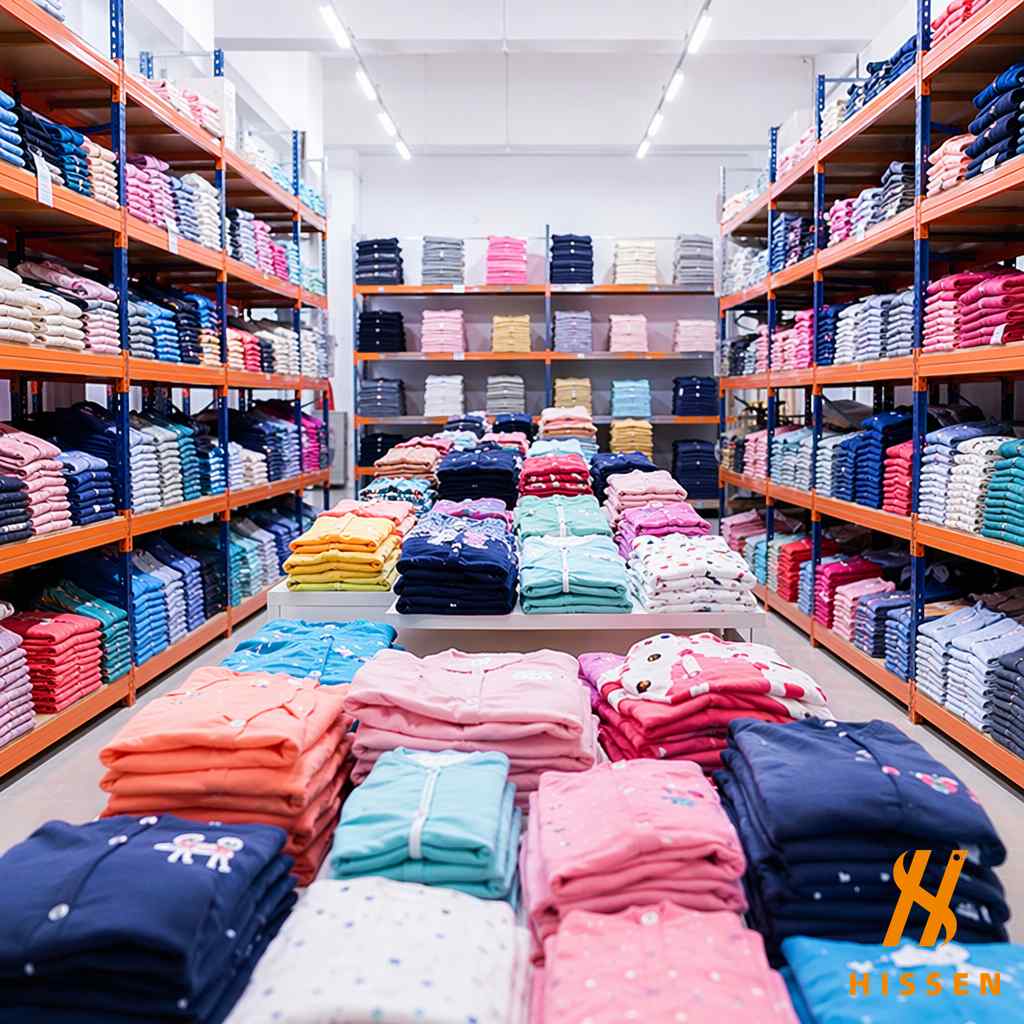
Children clothing is significantly lighter than adult clothing. A typical children t-shirt weighs 0.08-0.10 kg, while an adult t-shirt weighs 0.15-0.20 kg. Children pants weigh 0.10-0.15 kg vs 0.35-0.50 kg for adult pants. This difference means a 45 kg children bale contains far more individual pieces than an adult bale of the same weight — typically 315-540 pieces versus 90-225 pieces for adult mixed bales.
This higher piece count has a direct impact on your revenue potential. Even at lower per-piece pricing, the total revenue from a children bale can equal or exceed that of an adult bale. For importers who serve markets where affordability is the primary concern, children bales offer an excellent way to maximize container value.
| Factor | Children Bales | Adult Bales |
|---|---|---|
| Avg weight per item | 0.08-0.15 kg | 0.2-0.5 kg |
| Pieces per kg | 7-12 pieces | 2-5 pieces |
| Pieces per 45 kg bale | 315-540 pieces | 90-225 pieces |
| Typical condition | Excellent — outgrown quickly | Variable |
| Competition | Lower — fewer importers specialize | Higher |
🌍 Market Demand Across Africa, Asia & South America
Africa — The Strongest Market for Kids Used Clothing
Africa has the highest birth rate of any region globally, with countries like Nigeria, the Democratic Republic of Congo, and Ethiopia experiencing rapid population growth. This demographic reality creates enormous and consistent demand for affordable children clothing. Used kids wear from Chinese suppliers offers African parents quality items at a fraction of the cost of new imports.
Asia — Growing Middle Class Drives Demand
In Southeast Asia, rising disposable incomes and growing fashion awareness are driving demand for branded children clothing. Disney, Nike Kids, and other international brands command strong premiums in markets like Indonesia, the Philippines, and Vietnam. Chinese A Grade children bales with 20-35% branded content are well-suited for these markets.
South America — Family-Centric Markets
South American markets like Brazil, Colombia, and Peru have strong family cultures where children clothing is a priority expense. The price sensitivity of these markets, combined with large family sizes, creates steady demand for affordable secondhand kids wear.
| Region | Growth Outlook |
|---|---|
| Africa | ⭐⭐⭐⭐⭐ Very High — high birth rates, price sensitivity |
| Asia | ⭐⭐⭐⭐ High — rising middle class |
| South America | ⭐⭐⭐⭐ High — family-oriented consumers |
Children clothing is well-suited for African markets where high birth rates and price sensitivity create consistent demand. In Nigeria, Kenya, Ghana, and Uganda, children bales consistently sell faster than general mixed bales.
💰 Profit Analysis: Why Kids Bales Make Financial Sense
Real-World Revenue Comparison
To understand why children bales are profitable, consider this real comparison from our shipping data. A 45 kg children bale at .30/kg costs 03.50 FOB and contains approximately 400 pieces. At an average wholesale price of .50 per piece, the potential revenue is 00 — a gross margin of over 80%. An adult mixed bale at .50/kg costs 12.50 FOB, contains approximately 180 pieces, and at per piece generates 40 in revenue — a gross margin of approximately 79%.
The children bale actually generates more total dollars despite lower per-piece pricing, because you have over twice as many items to sell. This is the key insight that many importers miss.
| Metric | Children Bale | Adult Mixed Bale |
|---|---|---|
| Bale weight | 45 kg | 45 kg |
| FOB price (A Grade) | $2.30/kg = $103.50 | $2.50/kg = $112.50 |
| Estimated pieces | ~400 pieces | ~180 pieces |
| Cost per piece (FOB) | $0.26 | $0.63 |
| Revenue potential | $400-1,200 | $360-720 |
🛳️ Shipping and Logistics for Children Bales
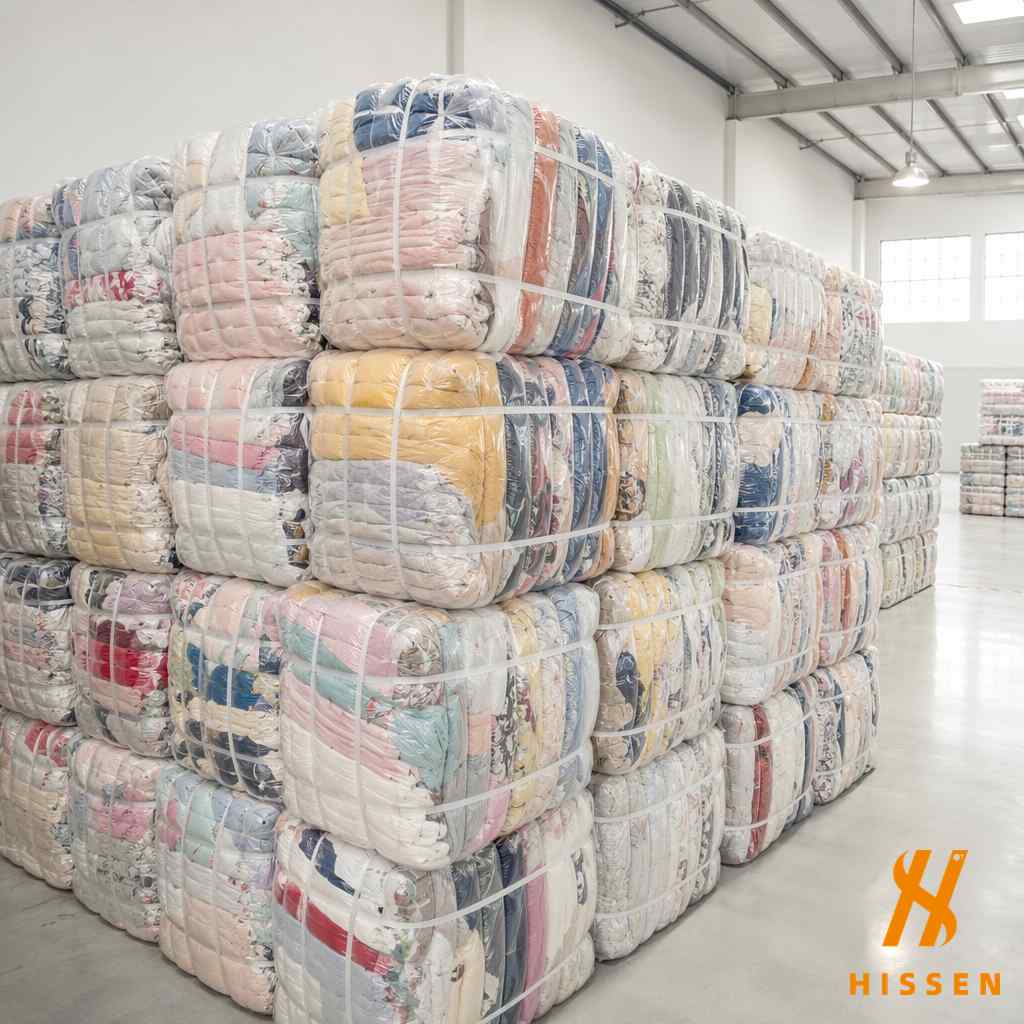
Children clothing bales ship the same way as adult bales — in 20ft or 40ft containers. However, because children items are lighter, a 40ft container of children bales contains significantly more individual pieces than a container of adult bales. A 40ft container of children bales (18 tons) holds approximately 7,000-10,000 individual pieces — compared to 3,000-5,000 pieces for adult mixed bales. This higher piece count per container means your shipping cost per item is significantly lower for children bales, making them even more economical at container scale.
🏆 Importers Who Specialize in Kids Wear
Some of our most successful customers are importers who focus specifically on children used clothing. They consistently report faster inventory turnover and higher margins than importers who focus on general mixed bales. The reason is simple: children clothing has more consistent demand (parents always need it), less competition (fewer importers focus on it), and the excellent condition of outgrown items means less waste and higher customer satisfaction.
For importers who want to add children clothing to their existing product mix, we recommend starting with 20-30% children bales and 70-80% adult mixed bales. This allows you to test the market while maintaining your core business. Once you establish demand for children items, you can increase the ratio.
🎯 Types of Children Clothing Bales
Choosing the Right Bale for Your Market
The type of children bale you choose should match your target market. For general wholesale, mixed children bales (boys and girls, ages 2-12) offer the widest appeal. For specialized retailers, consider category-specific bales. Baby clothes bales (0-2 years) command premium pricing because newborn items are typically in near-new condition. School wear bales (4-16 years) serve a recurring market with predictable demand aligned to school calendars.
- Mixed children bales — Boys + girls, 2-12 years
- Baby clothes bales — Newborn to toddler, 0-2 years
- Girls fashion bales — Dresses, skirts, leggings
- Boys wear bales — Pants, shirts, t-shirts
- School wear bales — Uniforms, 4-16 years
🇨🇳 Sourcing from China
Chinese suppliers offer several advantages for children used clothing: A Grade at $2.00-2.80/kg FOB, 7-12 pieces per kg, good branded content (Disney, Nike Kids), flexible bale sizes, and MOQ from 1 bale. See our complete children wholesale guide.
🇨🇳 Why Chinese Suppliers Are Ideal for Children Bales
Chinese suppliers offer specific advantages for children used clothing. China has a large urban population with relatively low birth rates, meaning the children clothing collected from first-tier cities like Shanghai, Beijing, and Guangzhou is typically from smaller families who dress their children in quality brands. The clothing is generally well-maintained and outgrown quickly.
Chinese children bales are sorted by age range and category, with A Grade standards applied consistently. The 20-35% branded content includes international brands like Disney, Nike Kids, Adidas Kids, and local Chinese brands that are gaining recognition in importing markets. At .00-2.80/kg FOB, Chinese children bales offer the best value-to-price ratio in the market.
For comparison, European children bales offer higher branded content (40-60%) but at .50-4.00/kg. Korean children bales offer fashion-forward styles at .10-1.80/kg. For most importers seeking volume and value, Chinese suppliers are the recommended starting point.
✅ Tips for Importing Children Used Clothing
- 📏 Confirm age range — A “children bale” can cover 2-12 years. Request age-sorted for specific groups.
- 🏷️ Focus on branded items — Disney, Nike Kids sell for 3-4x the price of unbranded.
- 🎒 Consider school wear — School uniforms are a stable, recurring market.
- 📋 Request age breakdown — Ask your supplier for the age distribution.
- 📦 Start with one bale — Test quality and age range before scaling.
❓ Frequently Asked Questions
How fast is the children used clothing market growing?
How many pieces in a children used clothing bale?
Is children used clothing profitable?
Where can I buy children used clothing wholesale?
📦 Explore the Children Clothing Opportunity
The children used clothing market is growing 9.4% annually — and competition is lower than adult categories. Importers who add kids bales to their product mix can capture this growth.
Related: