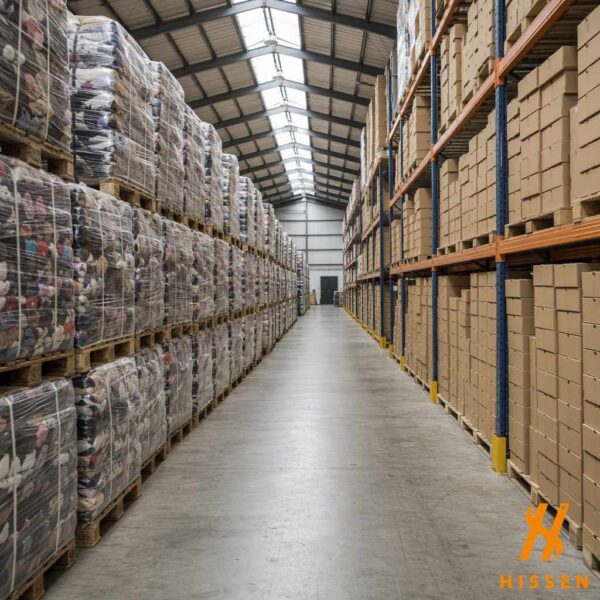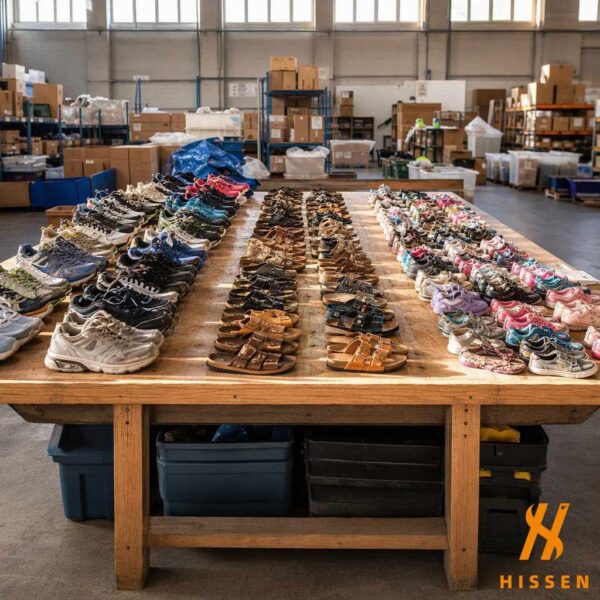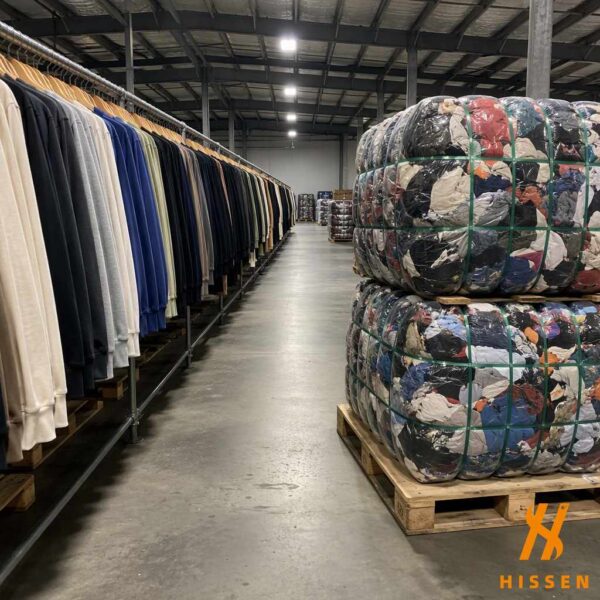
Part 8 of our used clothing wholesale series. Part 1 covers the global market. Part 3 covers used clothes bales. Our Kenya import guide covers the step-by-step logistics. This guide focuses on the Kenya used clothing market itself — how it works, who the key players are, and how bales trade.
Kenya Used Clothing Market: Complete Guide to Gikomba, Mitumba Bales & Importing (2026)
Kenya is one of the largest importers of used clothing in Africa. The local market — centered on Nairobi’s Gikomba market — is the heartbeat of East Africa’s mitumba trade. Thousands of traders, wholesalers, and retailers move mitumba bales through Gikomba daily, supplying customers across Kenya and neighboring countries.
Whether you are looking for Gikomba bales, want to understand mitumba kenya pricing, or are considering importing containers directly, this guide covers the Kenyan used clothing market from end to end.
The Kenyan mitumba market is unique in Africa for its scale, organization, and integration with the formal economy. Unlike some markets where used clothing is a marginal trade, in Kenya it is a mainstream sector with established supply chains, financing, and distribution networks reaching every county. Understanding this market is essential for any exporter targeting East Africa.
⏱ 8 min read · For importers, wholesalers & trade buyers targeting East Africa
In this guide you will learn:
- How the Kenyan mitumba market works — from Mombasa port to Gikomba
- Types of bales traded in Kenya and their pricing
- How to import mitumba bales to Kenya directly from China
- Gikomba market dynamics — who sells what and where
- Shipping, duties, and regulations specific to Kenya
The Kenyan Mitumba Market: An Overview
Kenya imports an estimated 100,000+ tons of used clothing annually, making it one of the top destinations for mitumba bales in Africa. The trade is deeply integrated into Kenya’s economy, supporting hundreds of thousands of jobs from Mombasa port workers to Gikomba market vendors.
| Metric | Value |
|---|---|
| Annual used clothing imports | 100,000+ tons |
| Primary entry port | Mombasa |
| Main trading hub | Gikomba Market, Nairobi |
| Other key markets | Kamukunji (shoes), Toi Market, Kongowea (Mombasa) |
| Import duty rate | ~16% VAT + import declaration fee |
| Common bale origins | China, UK, Europe, USA, South Korea |
Sources: Kenya National Bureau of Statistics, Kenya Customs Service, industry estimates.
Gikomba Bales: The Heart of Kenya’s Mitumba Trade
Gikomba market is East Africa’s largest second-hand clothing market. Located in Nairobi’s industrial area, it operates six days a week with thousands of traders selling bales of used clothing. If you hear someone talk about Gikomba bales, they are referring to bales traded specifically in this market — typically sourced from importers who bring containers through Mombasa.
How Gikomba Works
- Wholesalers buy full containers from importers and sell bales to semi-wholesalers
- Semi-wholesalers open bales and sort items by category and quality
- Retailers buy sorted lots or individual items to sell to end consumers
- Prices are negotiated per bale, with pricing varying by origin, grade, and season
Gikomba bale prices fluctuate based on supply from importers, demand from neighboring countries (Uganda, Tanzania, South Sudan, DRC), and the quality of incoming containers.
Kamukunji: Nairobi’s Shoes Bale Market
While Gikomba handles general clothing bales, Kamukunji market specializes in shoes. Gikomba second hand shoes and Kamukunji mitumba bales (shoes) form a distinct sub-market within Kenya’s mitumba trade. Shoes bales are typically 45 kg and priced differently from clothing bales. For detailed pricing, see our grade comparison guide.
Types of Mitumba Bales Traded in Kenya
| Bale Type | Description | Typical Wholesale Price (KES) |
|---|---|---|
| Mixed ladies bales | Tops, dresses, skirts, pants — most popular category | KES (contact for current rate) (55 kg) |
| Men’s wear bales | Shirts, trousers, t-shirts, suits | KES (contact for current rate) (55 kg) |
| Children’s bales | School wear, casual clothes, baby items | KES (contact for current rate) (55 kg) |
| Shoes bales (mitumba shoes) | Mixed shoes — traded heavily at Kamukunji | KES (contact for current rate) (45 kg) |
| First grade / premium bales | Highest quality, near-new items, branded | KES (contact for current rate) (55 kg) |
Note: KES prices are approximate wholesale market prices. They fluctuate with exchange rates, supply, and demand.
For FOB pricing from exporting countries, see our bale pricing guide.
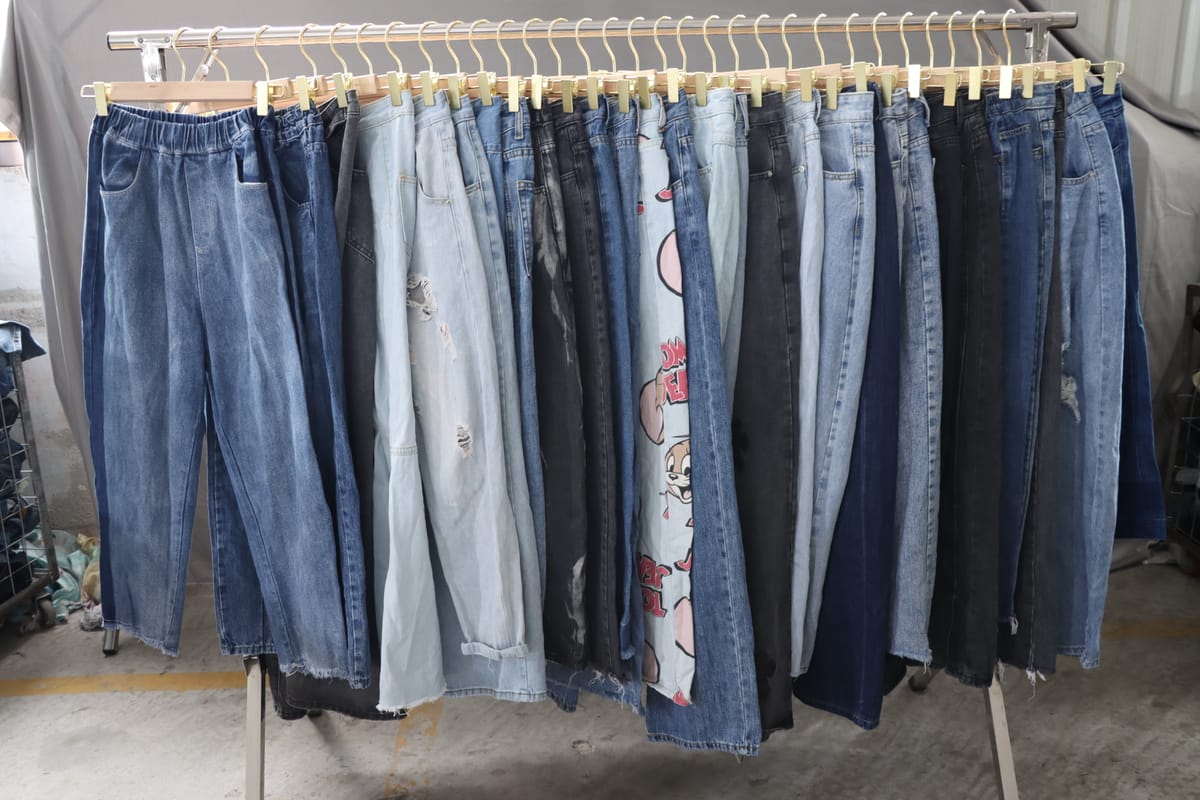
Importing Mitumba Bales to Kenya
If you are an importer bringing containers to Kenya, the process follows these steps:
- Select a supplier — China offers the best volume and pricing (competitive pricing within the A Grade market range A Grade FOB). See our China suppliers guide.
- Arrange shipping — From Guangzhou to Mombasa taKES (market-dependent) days. A 20ft container holds ~8-10 tons. See our shipping guide for detailed costs.
- Clear customs — Used clothing enters under HS code 6309.00. Import duty is approximately 16% VAT plus declaration fees. An import license may be required.
- Sell through distributors — Most importers sell containers to Gikomba wholesalers who handle local distribution.
Choosing the Right Bale for the Kenyan Market
For the Kenyan market, the most popular bale categories are mixed ladies bales (tops, dresses, skirts) and men’s wear. The standard bale weight is 55 kg, though 80 kg bales are also common for certain buyer segments. A Grade bales are preferred for higher-end Gikomba retailers, while B Grade and mixed bales serve price-sensitive segments. Chinese Grade A bales at competitive A Grade pricing (see our pricing guide for current rates) offer the best value for the Kenyan market, providing consistent quality at competitive pricing.
Mombasa Port Logistics
The Port of Mombasa is the primary entry point for used clothing containers to Kenya. Key logistics considerations:
- Transit time from China: 18-25 days from Guangzhou
- Free time: Typically 14-21 days before demurrage charges apply (KES (market-dependent) per day)
- Container tracking: All major shipping lines serve Mombasa — Maersk, MSC, CMA CGM, COSCO
- Inland transport: Mombasa to Nairobi is approximately 480 km by truck, typically 1-2 days
- Rwanda raised tariffs from $0.20/kg to $2.50/kg in 2016 (1,150% increase) and has pushed for broader EAC restrictions
- Kenya has resisted a ban under pressure from the US AGOA trade agreement, which links trade preferences to market access for US products
- Current status: Used clothing imports remain legal and widely traded. Industry groups continue to advocate for the trade given its employment impact
- Work with a customs broker experienced in used clothing clearance at Mombasa port
- Confirm fumigation certificate is included — Kenyan customs requires it
- Factor in 14-21 days free time at Mombasa to avoid demurrage charges
- Choose the right bale size for your market segment (55 kg and 80 kg are common)
- Build relationships with Gikomba wholesalers before your container arrives
- China is the largest source of mitumba bales for Kenya — competitive pricing within the A Grade market range A Grade FOB
- Gikomba is the primary trading hub; understanding its dynamics is key to selling in Kenya
- Shipping from China to Mombasa taKES (market-dependent) days; factor in 14-21 days free time
- Regulatory risk exists but a full Kenya ban is unlikely given employment impacts
- Work with experienced brokers for customs clearance and establish Gikomba buyer relationships
For a detailed walkthrough of the import process, see our complete Kenya import guide.
Kenya Import Regulations — What You Need to Know
⚠️ Regulatory Risk — Monitor Closely
Kenya’s used clothing import policy has been subject to political debate. The East African Community (EAC) has discussed a phased ban on used clothing imports to protect domestic textile manufacturing. Key developments:
Mitumba Bales Pricing in Kenya
Prices in Kenya vary by origin, grade, and market conditions. Here is a benchmark for FOB pricing from exporting countries that Kenya imports from:
| Origin | A Grade FOB/kg | B Grade FOB/kg | Notes |
|---|---|---|---|
| China | $2.00–$3.00 | $1.00–$1.80 | Most common origin for Kenyan importers — best volume |
| UK / Europe | $2.50–$4.00 | $1.20–$2.00 | Higher branded content, premium pricing |
| South Korea | $1.10–$2.00 | $0.60–$1.20 | Fashion-forward styles, growing in Kenya |
Total landed cost typically adds $0.50–$1.50/kg for freight, insurance, and duties. For detailed pricing, see our pricing guide and grade comparison.
✅ Tips for Importing to Kenya
Frequently Asked Questions
What is Gikomba market?
How much does a bale of mitumba cost in Kenya?
Can I import mitumba bales directly to Kenya?
Which country exports the most mitumba to Kenya?
Is Kenya going to ban mitumba imports?
💡 Key Takeaways
Source Mitumba Bales for Kenya with Confidence
The Kenyan mitumba market offers strong demand and established distribution channels. Whether you are a first-time importer looking for your first container or an experienced trader expanding volumes, choosing the right supplier is the most important decision.
Chinese suppliers offer the best balance of price and volume for the Kenyan market. Hissen Global, based in Guangzhou, China, has shipped thousands of containers to African markets including Kenya, with documented export history, live video verification, and competitive pricing. Contact us for current pricing and a proforma invoice tailored to the Kenyan market.