If you are looking to buy a single piece of second hand clothing for yourself, this guide is not for you.
⏱ 10 min read · For importers, wholesalers & trade buyers
In this guide you will learn:
- Key industry insights and practical sourcing knowledge
- How to evaluate suppliers and avoid common mistakes
- Pricing benchmarks and quality standards
- Actionable steps for your import business
If you are an importer, wholesaler, distributor, or business owner looking to source used clothing by the container — keep reading. This is the most comprehensive guide to the used clothing wholesale industry available online.
Used Clothing Wholesale: Complete B2B Guide for Importers (2026)
The global used clothing industry is bigger than most people realize. In 2025, the second hand apparel market was valued at $198.6 billion, and it is projected to reach $485.97 billion by 2031 — growing at 16% annually. That is 7 times faster than traditional retail.
But behind these numbers lies a complex global trade network. Used clothing moves from collection points in developed countries to sorting facilities in trading hubs, then to wholesale buyers in Africa, Asia, and the Middle East. Understanding how this supply chain works is the difference between a profitable import business and a costly mistake.
This guide covers: market overview, grading standards, sourcing origins, pricing, and a step-by-step framework for starting your used clothing import business.
The used clothing trade has existed for decades, but recent shifts — the rise of fast fashion, increasing environmental awareness, and growing demand for affordable apparel in emerging markets — have accelerated its growth dramatically. What was once a niche trade is now a global industry with complex supply chains spanning every continent.
What Is “Used Clothing” in the Wholesale Industry?
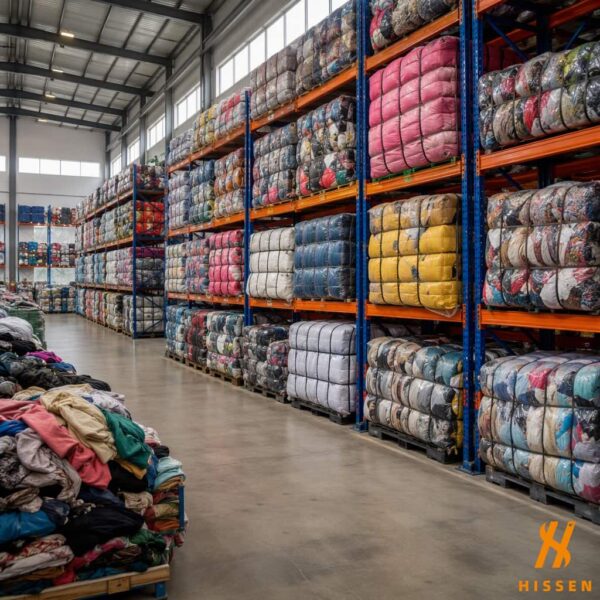
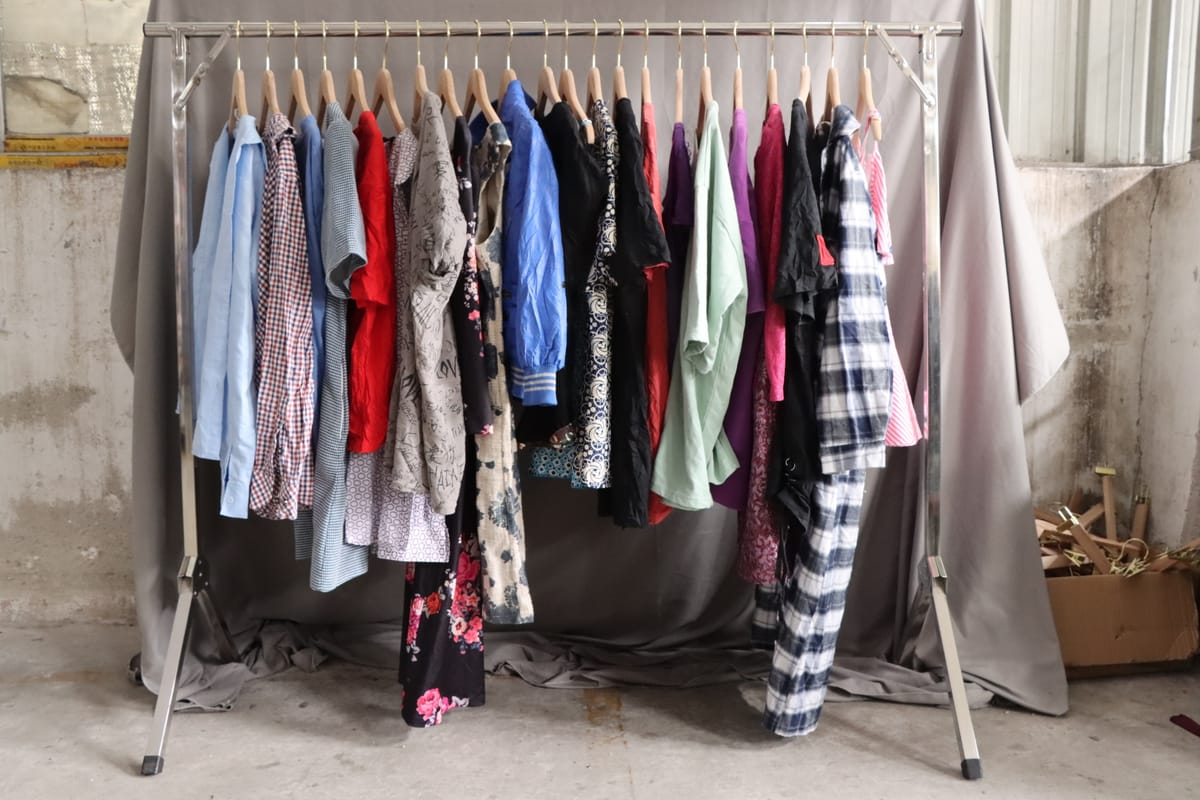
In the wholesale trade, used clothing (also called second hand clothes, second hand apparel, or pre-owned garments) refers to discarded or donated clothing that is collected, sorted, graded, and sold in bulk — typically by the bale or container — to international buyers.
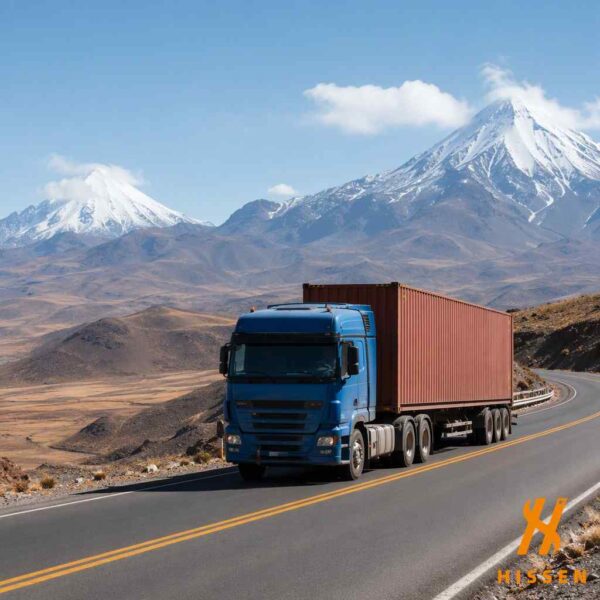
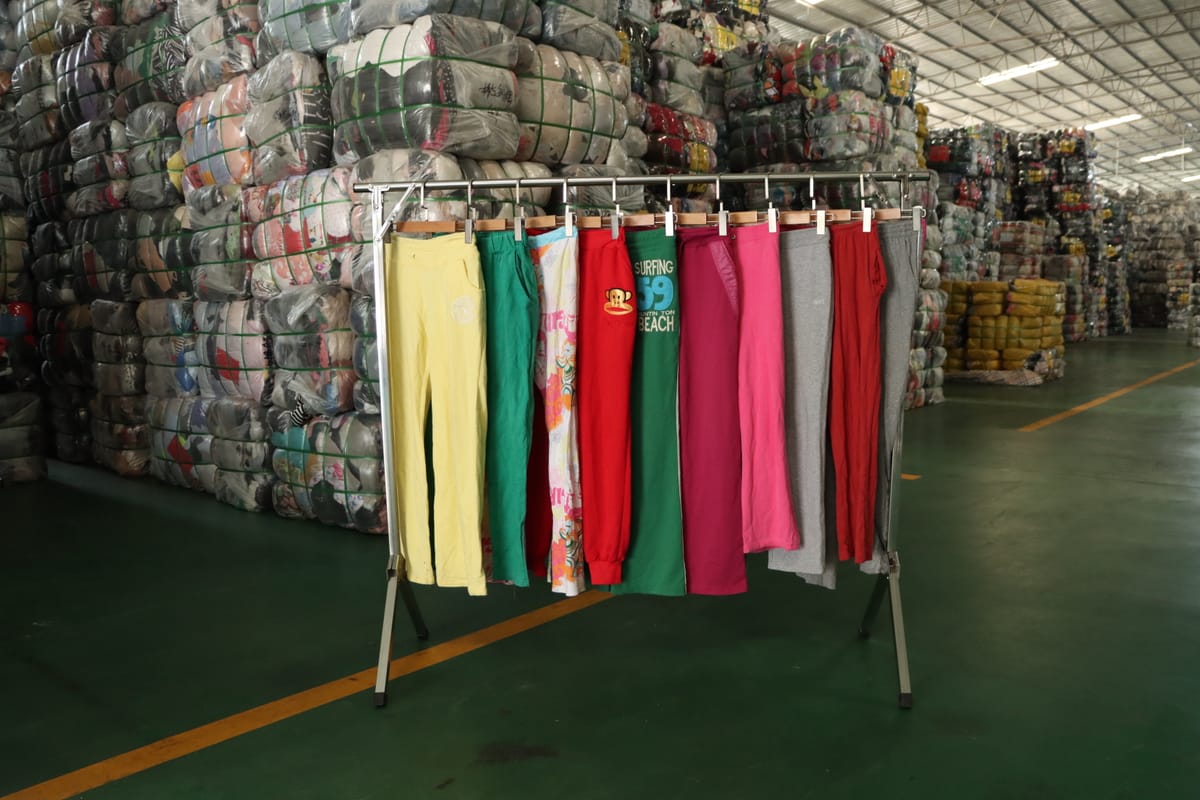
This is not the same as vintage clothing, thrift store retail, or curated online resale. The wholesale used clothing industry operates at scale: containers holding 8-22 tons of sorted garments, shipped to ports across Africa, Asia, and the Middle East.
Global Used Clothing Market Overview
| Metric | Value |
|---|---|
| Global market size (2025) | $198.6 billion |
| Projected size (2031) | $485.97 billion |
| Annual growth rate | 16% CAGR |
| Growth vs traditional retail | 7x faster |
| Top exporting regions | China, Europe (UK, Germany, Netherlands), South Korea, USA |
| Top importing regions | East Africa (Kenya, Tanzania, Uganda), West Africa (Nigeria, Ghana), Southeast Asia, South America |
| Consumers who bought secondhand (2024) | 58% of global consumers |
| Gen Z / Millennial participation | ~80% |
The used clothing trade is driven by two converging trends: rising demand for affordable apparel in developing markets, and increasing textile waste in developed countries. This creates a sustainable pipeline of supply and demand that has grown steadily for decades.
Trade Flows: Where Used Clothing Moves
The global trade in used clothing follows distinct geographic patterns:
- China → Africa and Southeast Asia: China collects and sorts used clothing from domestic sources and re-exports to over 100 countries. African markets (Kenya, Nigeria, Ghana, Tanzania, Uganda) are the largest buyers.
- South Korea → Africa and Asia: Korean used clothing is prized for fashion-forward styles. Major buyers include Malaysia, India, Thailand, the Philippines, and East African markets.
- Europe (UK, Germany, Netherlands) → Africa and Asia: European used clothing has high branded content. Well-established sorting centers in the UK, Germany, and the Netherlands export to markets across West and East Africa.
- USA → Central America, Africa, and Asia: American used clothing exports are driven by large charities and commercial sorters. Central America and West Africa are primary destinations.
Types of Used Clothing Bales
Used clothing is traded in bales — compressed bundles of sorted garments. The main types are:
| Type | Description | Typical Buyer |
|---|---|---|
| Mixed bales | Mixed categories (ladies, men’s, children’s) and mixed grades | General wholesalers who sort locally |
| Category-specific bales | Single category — e.g., ladies tops, men’s jeans, children’s dresses | Retailers targeting a specific segment |
| Grade-specific bales | A Grade, B Grade, or mixed grade — pre-sorted by quality | Importers who want consistent quality |
| Shoes bales | Mixed or sorted second hand shoes | Footwear wholesalers |
| Rags / wipers | Unwearable clothing for industrial use | Industrial buyers |
Used Clothing Grading Standards
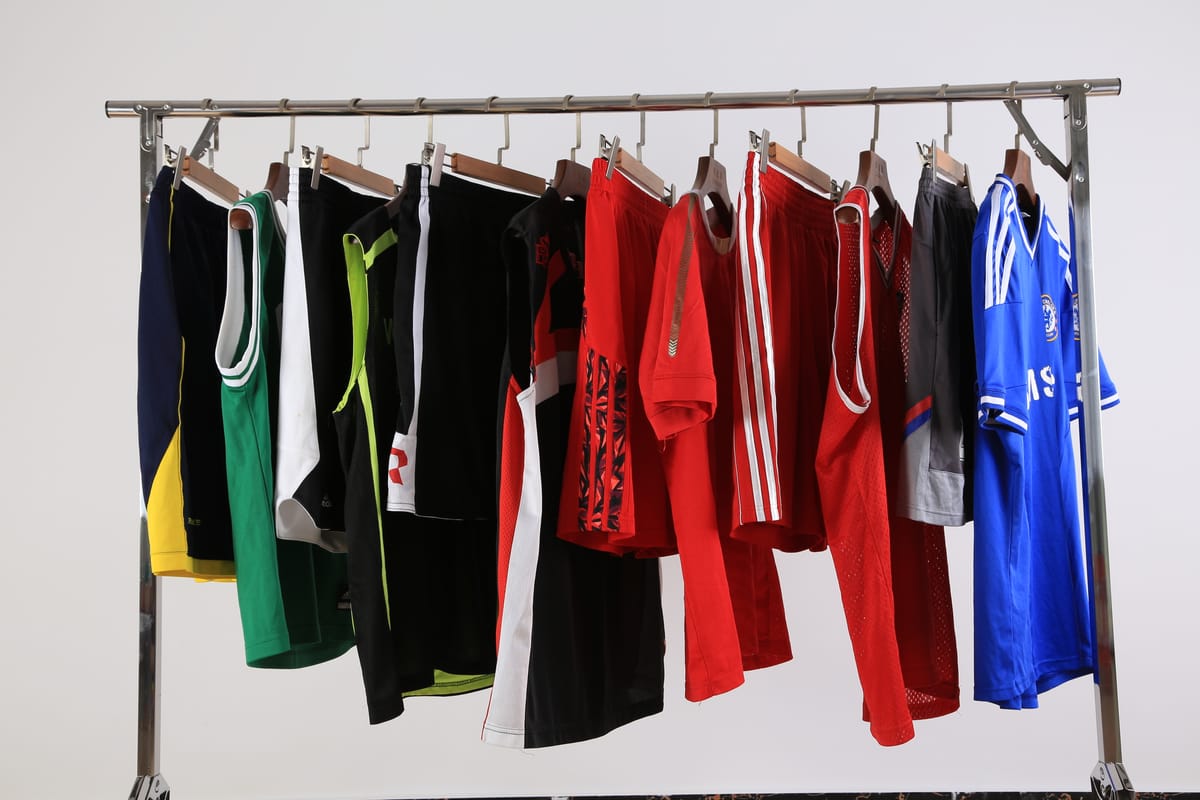
Understanding grades is critical when buying second hand clothes wholesale. Grades determine quality, pricing, and which end customers you can serve.
| Grade | Quality Level | Price Range (FOB/kg) |
|---|---|---|
| A Grade | No stains, tears, holes, fading, or excessive wear. Current styles. Professionally sorted. | competitive pricing within the A Grade market range |
| B Grade | Light wear, minor fading, or pilling. Still sellable in price-sensitive markets. | budget-friendly B Grade pricing |
| C Grade / Mixed | Heavily worn, flawed, or unsorted. Often sold as rags or recycling material. | $0.30–$0.80/kg |
Important: There is no universal standard for “A Grade.” Each supplier defines it differently. Always request written definitions and photos of actual bale contents before ordering. For a detailed breakdown, see our Grade A vs Grade B mitumba bales comparison.
Bale Sizes and Packaging
Used clothing is typically compressed and packed into standardized bales:
- 45 kg bales — common for East and South African markets
- 55 kg bales — standard size for many African markets
- 80 kg bales — popular in West Africa and Asia
- 100 kg bales — standard for West African and Asian markets
Bales are compressed using hydraulic presses to reduce volume for shipping. A 40ft HQ container typically holds 180-220 bales depending on bale size and compression density.
Global Sourcing Origins
Used clothing is sourced from several major exporting regions. Each has distinct advantages:
China
China is the largest source of used clothing for African and Asian markets. Estimated monthly exports of ~$135 million. Key advantages: highest volume, widest variety, 200+ suppliers. Pricing from $2.00/kg FOB for A Grade. See our complete guide to suppliers in China.
South Korea
Korean used clothing is prized for fashion-forward styles driven by K-fashion trends. Monthly exports ~$36 million. Pricing from value-positioned A Grade pricing for fashion-forward inventory for A Grade. See our Korea sourcing guide.
Europe (UK, Germany, Netherlands)
European used clothing has high branded content (40-60%). Well-established sorting industry. Higher FOB prices but premium quality perception in many markets.
USA
American used clothing offers a large volume of mixed categories. Strong supply chain through organizations like Goodwill and Salvation Army. Moderate pricing with varying quality.
How to Start Importing Used Clothing
- Research your target market — Understand which categories, grades, and price points work in your country. What sells in Kenya may not sell in Nigeria.
- Find reliable suppliers — See our complete guide to second hand clothes wholesale sourcing for platform recommendations and supplier evaluation tips. Use B2B platforms (Alibaba, TradeKorea) and industry networks. Verify suppliers with video calls and market references. See our red flags guide for vetting tips.
- Compare pricing — Get quotes from 3-5 suppliers. Calculate total landed cost (FOB + freight + insurance + duties + port charges), not just the per-kg price.
- Start with a small order — One bale or a partial container to evaluate quality, communication, and reliability before scaling up.
- Scale based on results — Once you find a reliable supplier, build a long-term relationship. Consistent buyers get better pricing and priority sorting.
Documents You Need for Importing Used Clothing
When importing a container of used clothing, you will need the following documentation:
- Bill of Lading (BL) — the shipping document that proves ownership of the cargo
- Commercial Invoice — showing FOB value, HS code 6309.00 (used clothing), and quantity
- Packing List — detailed breakdown of bales by category, grade, and weight
- Fumigation Certificate — required by most African and Asian countries to confirm pest treatment
- Certificate of Origin — may qualify for preferential duty rates under trade agreements
Your supplier should provide all of these documents as part of the standard export process. See our shipping cost guide for more details on logistics documentation.
Common Challenges for New Importers
- Quality inconsistency — bales may not match the grade you ordered. Mitigate by requesting photos of actual contents and video verification before shipping.
- Underweight bales — bales arriving lighter than quoted. Request documented bale weights during packing.
- Communication barriers — language differences between you and the supplier. Choose suppliers with English-speaking export staff.
- Customs delays — incomplete documentation or incorrect HS code classification. Work with an experienced customs broker.
- Payment disputes — unclear terms or unreliable suppliers. Use TT with deposit structure (30% deposit, 70% before loading) or LC for larger orders.
Used Clothing Pricing Overview
Pricing varies by origin, grade, category, and volume. Here is a general benchmark for FOB pricing (excluding freight):
| Origin | A Grade (FOB/kg) | B Grade (FOB/kg) |
|---|---|---|
| China | $2.00–$3.00 | $1.00–$1.80 |
| South Korea | $1.10–$2.00 | $0.60–$1.20 |
| Europe | $2.50–$4.00 | $1.20–$2.00 |
| USA | $2.00–$3.50 | $1.00–$1.80 |
Total landed cost typically adds $0.50–$1.50/kg depending on shipping distance, container size, and import duties in your country. For detailed freight comparisons, see our shipping cost guide.
💡 Key Takeaways
- Choose suppliers who offer live video verification — not just photos
- Compare total landed cost, not just FOB price per kg
- A Grade standards vary by supplier — always get written definitions
- Start with a small order to evaluate quality before scaling
- Build long-term relationships with consistent suppliers for better pricing
Frequently Asked Questions
What is the difference between used clothing and second hand clothing?
How much does it cost to start importing used clothing?
Which country is the best source for used clothing?
How is used clothing graded?
Is the used clothing business profitable?
What is the minimum order quantity for used clothing?
Start Your Used Clothing Import Business
The second hand clothing wholesale industry offers real opportunities for importers who approach it systematically. The market is growing at 16% annually. Demand across Africa, Asia, and the Middle East continues to rise. And the supply chain — from China, Korea, Europe, and the USA — is mature and reliable.
Your most important decision is choosing the right supplier. Take time to verify, request video tours, compare pricing across multiple origins, and start with a small order to test quality before scaling.
The importers who succeed in the used clothing business are not the ones who find the cheapest price. They are the ones who build reliable supply chains, understand their end customers, and maintain consistent quality. The market is growing fast enough that there is room for new importers — but only those who approach it professionally.
For more detailed resources and the complete series:
- 📖 Where and how to source second hand clothes wholesale
- 📦 Used clothes bales: grades, pricing & sourcing
- 📈 Second hand apparel market 2026: size & trends
- 📖 Complete guide to used clothing suppliers in China
- 📊 Current mitumba bale pricing guide
- ⚠️ 7 red flags — distributor scams to avoid
- 📦 Shipping cost guide from China to Africa
- 🏭 About Hissen Global — a transparent China-based supplier
Ready to start? Contact Hissen Global for current pricing, live video tour of our 20,000 m² facility, and a proforma invoice tailored to your market.