Questions to Include in Second Hand Sneakers Supplier Contracts: The Importers’ Checklist (2026)
⏱ 15 min read · For importers, wholesalers & trade buyers
In this guide you will learn:
- ✅ Why a written contract protects both the importer and the honest supplier
- ✅ The exact questions to put into every sneaker-supply contract clause
- ✅ How to define grades, sizes, quantities and mix so there are no surprises
- ✅ Payment, delivery and dispute terms every importer must understand
- ✅ A step-by-step process to choose a supplier who welcomes clear contracts
1️⃣ A Contract Is Not Distrust — It Is Professionalism ✍️
Many importers feel awkward asking a supplier to sign a detailed contract, as if paperwork signals distrust. In reality, the opposite is true: a clear written contract is the mark of a professional trade relationship, and the best suppliers — the ones confident in their grades and processes — welcome it. Every question you put into the contract protects both sides and prevents the small misunderstandings that grow into costly disputes.
Written from the perspective of a China-based exporter who ships second hand sneakers, used shoes and new stock to Africa, South America and Southeast Asia, this guide gives you the exact questions to include in your supplier contract, section by section. Hissen Global supplies these categories daily, and we encourage every buyer to use a contract like the one described here — including when they buy from us.

2️⃣ Questions on the Product Definition 👟
Everything starts with describing what you are buying. Vague product descriptions are the number-one source of disputes.
Questions to include
- ❓ What exact categories are included (men’s/women’s/kids, running, basketball, lifestyle, sandals)?
- ❓ What is the precise condition grade — A, B or C — and how is each grade defined in writing?
- ❓ How many pairs per sack, and what is the guaranteed sack weight?
- ❓ What is the size curve distribution, and does it match my target market?
- ❓ What is the brand mix — how many branded versus unbranded pairs?
Ask the supplier to attach a one-page grade chart to the contract. A written definition of “A-grade” (“minimal wear, original soles, matching pairs, no repairs”) prevents arguments about what the word meant after the container arrives.
3️⃣ Questions on Grading & Quality Inspection 🔍
Quality clauses decide what happens when the goods do not match the description.
Questions to include
- ❓ What percentage of the lot must meet the stated grade — and what happens to the rest?
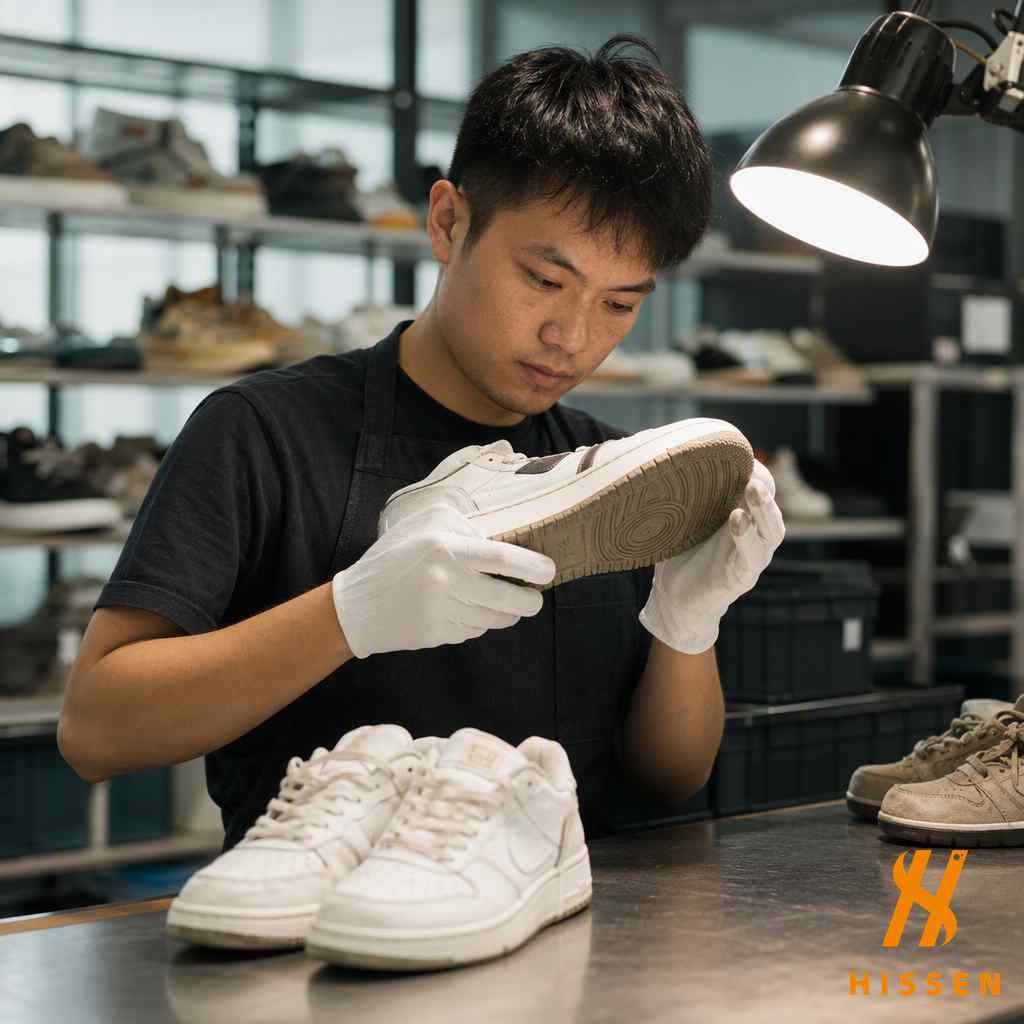
- ❓ Can I or my agent inspect the goods before loading, and where?
- ❓ Is a live video inspection or third-party inspection report accepted as evidence?
- ❓ What is the acceptable defect or unsellable share, and how is it compensated?
A strong clause states that a pre-shipment inspection by the buyer or an independent inspector is allowed, and that the rejection threshold (for example, more than 10% below the stated grade) triggers a remedy — replacement, discount or refund. Honest suppliers agree to this because their stock genuinely meets the grade.
4️⃣ Questions on Quantity, Weights & Packing 📦
Disputes about “how many pairs actually arrived” are among the most common in this trade.
Questions to include
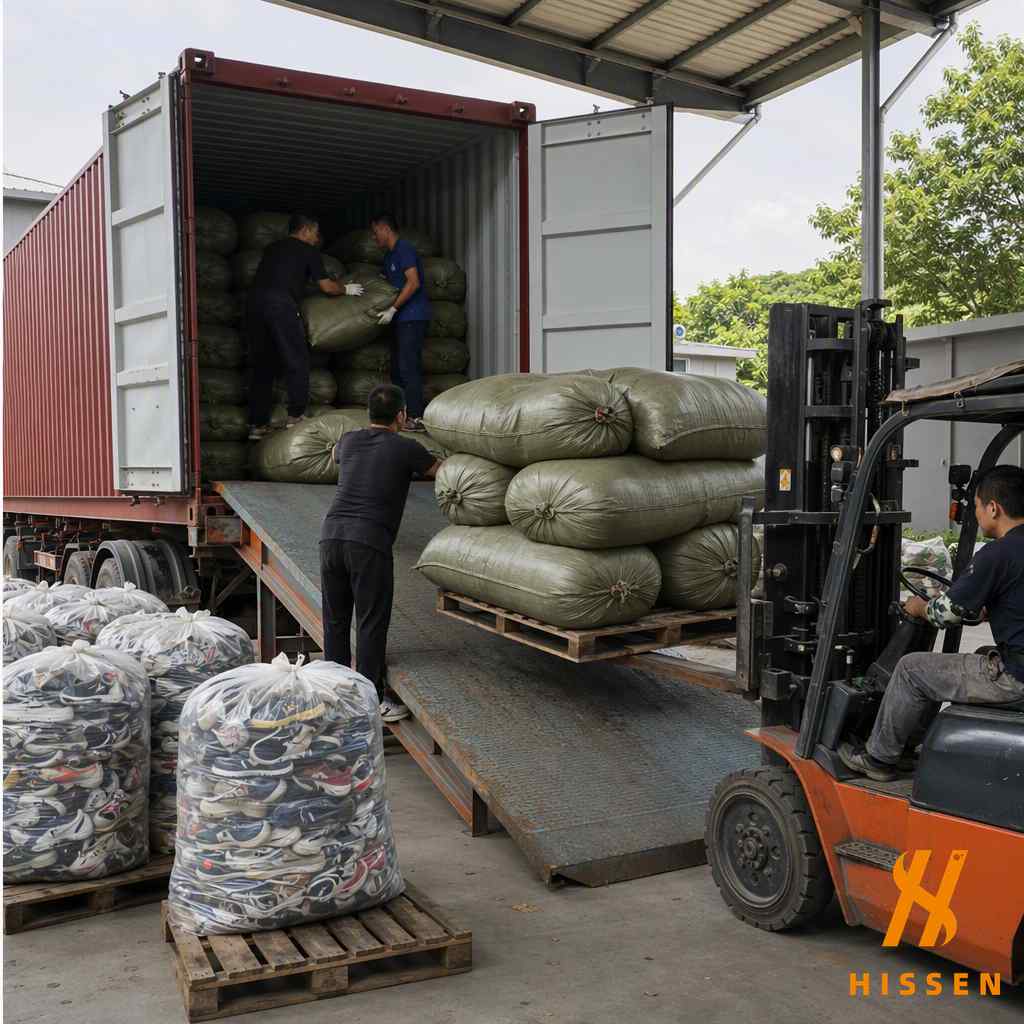
- ❓ What is the exact total quantity in pairs and in sack count?
- ❓ What is the per-sack net weight and allowed variance?
- ❓ How are sacks packed and labeled — can I identify category and grade by label?
- ❓ What happens if the shipped quantity or weight is below the contract?
Put a weight and count variance tolerance in writing (for example, ±3%), and state the compensation formula for shortfalls. A supplier who knows the exact contents of each sack has nothing to hide by agreeing to it.
5️⃣ Questions on Price & Payment Terms 💰
Money terms are where most importers lose without realizing it — usually because they negotiated price but not the full financial structure.
Questions to include
- ❓ Is the price FOB, CFR or CIF — and which port does it cover?
- ❓ What is included in the price (sacks, packing, inspection, documentation)?
- ❓ What payment method is accepted — T/T, L/C or others — and what is the deposit percentage?
- ❓ Is the currency fixed for the term of the order?
- ❓ Are there any surcharges for documentation, inspection or container stuffing?
Clarifying whether your price is FOB or landed is essential — a price that looks cheap at FOB can become expensive once freight and duty are added. Write the Incoterm into the contract so there is no ambiguity about who pays for what.
6️⃣ Questions on Delivery, Incoterms & Risk 🚢
Delivery terms decide who owns the risk while the container is at sea.
Questions to include
- ❓ What is the promised loading date and what is the shipment window?
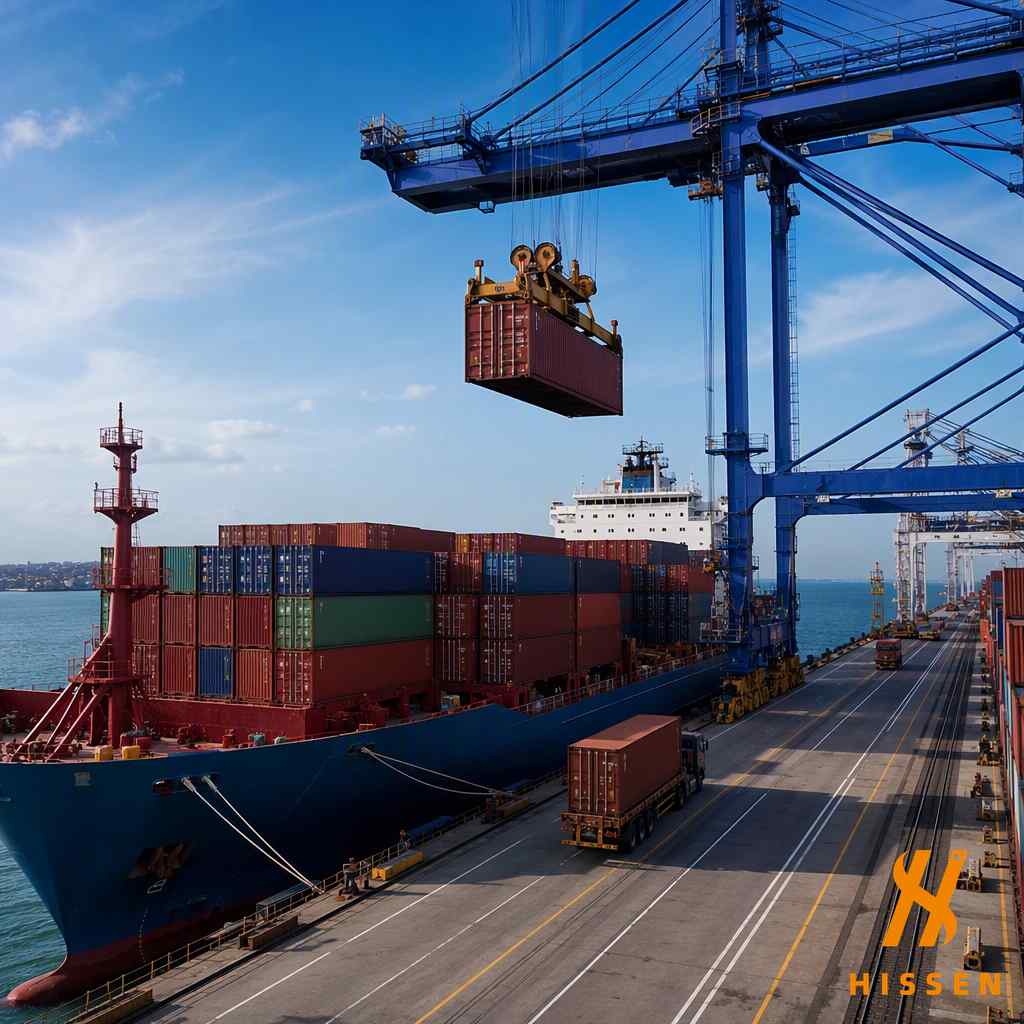
- ❓ Which Incoterm applies, and at what point does risk transfer to me?
- ❓ Who arranges and pays for the main freight?
- ❓ What documentation will be provided (invoice, packing list, bill of lading), and when?
- ❓ What happens if the shipment is delayed beyond the agreed window?
Writing a clear Incoterm (FOB, CFR or CIF) and a delay penalty into the contract protects your cash flow. Importers who leave delivery terms verbal discover too late that “we will ship next week” means different things to different people.
7️⃣ Questions on Branded Stock & Documentation 🧾
For branded and stock-clearance shoes, documentation is the difference between smooth clearance and a seized container.
Questions to include
- ❓ How was the branded stock acquired, and what documents prove it?
- ❓ What clearance or authorization papers accompany the shipment?
- ❓ Are the documents consistent across invoice, packing list and bill of lading?
- ❓ Who is responsible if the destination customs questions the branded goods?
A responsible supplier answers these in writing. Our own 500,000-pair 361° clearance is documented to the brand channel, because that is what a professional contract demands.
8️⃣ Questions on Claims, Remedies & Disputes ⚖️
The final section of a good contract is what happens if something goes wrong.
Questions to include
- ❓ What is the claims procedure, and what evidence is required (photos, inspection reports)?
- ❓ What is the time limit for filing a claim after arrival?
- ❓ What remedies are available — replacement, discount, refund or credit on the next order?
- ❓ Which law and jurisdiction apply to a dispute, and is arbitration an option?
Even simple wording like “claims must be filed within 10 days of arrival with photographic evidence, and are resolved by replacement or credit” gives you a practical path without a courtroom. You hope never to use it, but you need it to exist.
9️⃣ Step-by-Step: Choosing a Supplier Who Welcomes a Clear Contract 📋
Here is how to turn this contract knowledge into a safer purchase:
- 📄 Ask for their standard contract first. How detailed is it? A serious exporter already has clear terms.
- 📝 Present your clause list. Share the questions above; see which ones they accept without hesitation.
- 📸 Add an inspection clause. Live video or third-party inspection before loading is non-negotiable for bulk lots.
- 🧾 Demand documentation details. For branded stock, make the acquisition and clearance papers part of the contract.
- 💵 Lock the Incoterm and currency. Write down who pays for what, in which currency.
- 🔁 Test with a first order. Use the contract on a pilot container, verify everything works, then scale with confidence.
Learn more about used shoe sourcing and importer education on our site.
One practical negotiation tip from our side of the table: raise the contract questions early, not at the last minute. An exporter who sees an importer asking detailed questions about grades, inspection and documentation reads that buyer as serious and experienced — and prices and terms usually reflect that respect. When the questions come after the price has already been agreed, both sides feel pressured and concessions get harder. Send your clause list before you negotiate the numbers. It takes five minutes, and it sets a tone where the contract is a foundation for a long relationship rather than an afterthought.
🔟 Common Mistakes When Signing Sneaker Contracts ⚠️
- ❌ Skipping the grade definition. “Good quality” means nothing in a dispute; write the grade chart.
- ❌ Confusing FOB with delivered price. Always state the Incoterm and what it includes.
- ❌ No inspection clause. If you cannot inspect, you are buying on trust alone.
- ❌ Ignoring the claims window. A 3-day window you miss means a lost claim.
- ❌ Letting the supplier skip documentation terms. For branded stock, papers belong in the contract.
💡 Key Takeaways
- 🔑 A written contract is professionalism, not distrust — and the best suppliers welcome clear terms.
- 🔑 Define the product: category, grade chart, pair counts, size curve, brand mix.
- 🔑 Lock inspection, quantity variance, Incoterm, currency and payment structure in writing.
- 🔑 For branded stock, make acquisition and clearance documentation part of the contract.
- 🔑 Agree a practical claims procedure and window — hope you never need it, but have it on paper.
1️⃣1️⃣ Frequently Asked Questions
Q1. Do I really need a written contract for second hand sneakers?
Yes. A written contract protects both sides and prevents costly misunderstandings about grades, quantities, delivery and payment. Professional suppliers welcome it; hesitant ones are a warning sign.
Q2. What is the most important clause in a sneaker supply contract?
The grade definition is the most important — a written chart of what A, B and C grades mean, plus an inspection clause so you can verify the goods before loading. Everything else hangs off those two.
Q3. Should I choose FOB or CIF?
It depends on your experience and market. FOB gives you more control over freight; CIF bundles freight into the supplier’s price. Either works if it is written clearly with the exact port named.
Q4. Can I add a live video inspection clause?
Absolutely — and we recommend it. A clause allowing pre-shipment inspection, whether live video or a third-party inspector, is standard practice among professional exporters.
Q5. What documents must the contract require for branded stock?
Acquisition proof, clearance or authorization papers, and a promise of consistency across the invoice, packing list and bill of lading. These documents make customs clearance safe and smooth.
Q6. How quickly should I file a claim after arrival?
Agree a realistic window in advance — typically 7 to 15 days after arrival, with photographic evidence. Longer windows protect you; a contract that gives you no window protects only the supplier.
Want a supplier who puts clear terms in writing? That is exactly how we prefer to work.
Hissen Global is a China-based exporter supplying second hand sneakers, used shoes and branded stock to importers across Africa, South America and Southeast Asia. We welcome clear contracts, live inspection and honest documentation. Tell us your market and volume — we will show you our standard terms and let you check every clause before you decide.