Published July 6, 2026 · Practical sourcing guide
How Can I Find a Stable Used Clothing Supplier? A Complete Guide to Building a Reliable Wholesale Partnership (2026)
If you are asking “how can I find a stable used clothing supplier,” you have likely experienced the frustration of inconsistent quality, late shipments, or suppliers who disappear after a few orders. You are not looking for a cheap bale—you are looking for a reliable business partner.
From our perspective as a Chinese exporter who has shipped over 7,000 containers to 110+ countries over 12 years, we have seen what makes a supplier relationship work and what causes it to fail. Consistency, not price, is the foundation of a stable supply chain.
This guide covers the specific steps to find, evaluate, and build a long-term relationship with a stable used clothing supplier who delivers consistent quality, reliable communication, and dependable shipping.
Why Supplier Stability Matters More in 2026
The used clothing market has changed significantly over the past year. Shipping costs from China to West Africa have doubled—a 40ft container that cost ,000 in early 2026 now costs up to ,800. The Kenya Finance Bill proposes new taxes on mitumba imports. Uganda has implemented a 30% environmental levy. In this environment, changing suppliers frequently is expensive and risky. A stable supplier relationship is worth more now than ever before.
⏱ 10 min read · For importers seeking long-term supplier relationships
In this guide:
- What defines a “stable” used clothing supplier
- Step-by-step process to find and evaluate potential partners
- Red flags that indicate instability
- How to build a long-term relationship with your supplier
- Why Chinese exporters offer the most stable supply for most markets
- What to do when things go wrong
🎯 What Defines a “Stable” Used Clothing Supplier?
A stable used clothing supplier is not simply one who delivers a good container once. Stability means consistency across multiple orders over time. Here are the specific characteristics:
| Characteristic | What It Looks Like in Practice |
|---|---|
| Consistent quality | Every bale matches the agreed grade — order after order, not just the first one. |
| Reliable communication | Responses within 24 hours. Clear answers. No disappearing for days. |
| Dependable shipping | Containers loaded and shipped on schedule. Documentation provided on time. |
| Transparent operations | Live video verification available. Sorting facility visible. Company registration verifiable. |
| Longevity in business | Has been exporting for years, not months. Will be there when you reorder. |
| Adaptability | Can adjust bale composition based on your market feedback. |
📋 Step-by-Step: How to Find a Stable Used Clothing Supplier
Step 1: Define Your Requirements Clearly
Before contacting any supplier, write down exactly what you need. Include: target grade (A Grade, B Grade, or mixed), preferred categories (ladies tops, men shirts, mixed), monthly volume, bale weight, target FOB price range, and your destination port. A clear brief attracts professional suppliers and filters out those who cannot meet your specifications. If you send a vague inquiry, you will get vague quotes—and an unstable relationship from the start.
Step 2: Find Potential Suppliers
The most reliable channels to find a stable used clothing supplier include:
- 🇨🇳 Alibaba — Best for Chinese suppliers. Filter by years in business, transaction history, and verified status.
- 🇰🇷 TradeKorea / GOBIZKOREA — Government-verified Korean suppliers. Smaller pool but vetted.
- 🤝 Industry referrals — Other importers in your network are the most reliable source of supplier recommendations.
Step 3: Evaluate Using the 5-Point Check
Shortlist 3-5 suppliers, then run this evaluation on each:
- 📹 Live video tour — See the sorting facility in real time. A stable supplier is proud to show their operation.
- 📋 Company registration check — In China, verify the 18-digit Unified Social Credit Code. In other countries, check equivalent registration databases.
- 👥 Request buyer references — Contact 2-3 buyers in your region or similar markets. Ask about consistency, not just quality.
- 📦 Start with a trial order — 1-5 bales reveals more about a supplier’s stability than any number of emails.
- 📊 Track your first 3 orders — If quality, timing, and communication are consistent across 3 orders, you have found a stable partner.

📊 How to Evaluate Supply Consistency Across Orders
Once you have placed 2-3 orders with a supplier, use this checklist to evaluate their consistency:
- 📋 Grade consistency: Does the A Grade quality match from the first bale to the most recent? Or has it declined?
- ⚖️ Bale weight consistency: Are the weights matching the invoice? A variance of more than 2-3% is concerning.
- 📄 Documentation accuracy: Are the packing lists, invoices, and BLs accurate and provided on time?
- 📞 Communication consistency: Does the supplier respond as quickly now as they did before your first order?
- 🚢 Shipping reliability: Are containers loaded and dispatched on the scheduled date?
A supplier who scores well on all five points is genuinely stable. If there are issues in two or more areas, address them directly with the supplier before scaling your orders.
🚩 Red Flags: Signs of an Unstable Supplier
When evaluating a reliable used clothing wholesaler, watch for these warning signs:
- 🚩 Inconsistent communication — Fast replies before payment, slow replies after. This pattern rarely improves.
- 🚩 No verifiable facility — Cannot or will not show a live video of their sorting operation. They may not own one.
- 🚩 Quality drops after the first order — The first bale is excellent, the second is noticeably worse. This is the most common pattern of unstable suppliers.
- 🚩 Vague answers about supply capacity — “We can handle any volume” without specifics. A stable supplier knows their monthly capacity exactly.
- 🚩 No company history available — No registration number, no physical address, no export records. Legitimate businesses have these.
- 🚩 Pressuring for payment without verification — “Pay now, price expires tomorrow” from an unverified supplier is a major red flag.
🌍 How to Build a Long-Term Relationship
Finding a stable used clothing supplier is the first step. Keeping the relationship stable is equally important:
- 📦 Order consistently. Regular orders at predictable intervals get better attention from suppliers than sporadic large orders.
- 💬 Communicate clearly. Share feedback after each order—what worked, what could improve. Suppliers who understand your market can adjust their sorting.
- 💰 Pay on time. A supplier’s willingness to prioritize your orders is directly related to your payment reliability.
- 📈 Grow together. As your business grows, give your existing supplier the chance to grow with you before shopping for new options.
- 🤝 Visit when possible. Even a single visit to your supplier’s facility builds a level of trust that emails cannot replace.
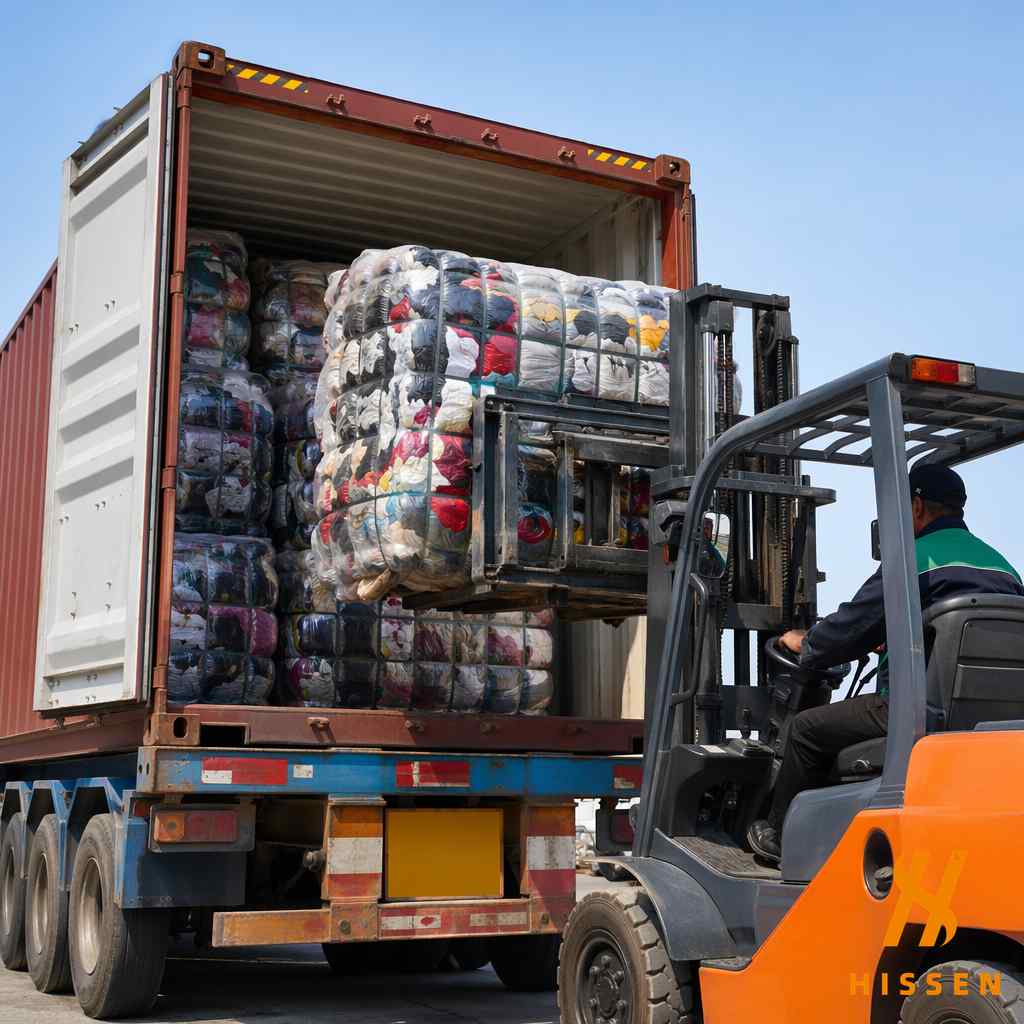
🇨🇳 Why Chinese Exporters Offer the Most Stable Supply
For importers asking “how can I find a stable used clothing supplier,” Chinese exporters consistently offer the best combination of stability factors:
- 200+ suppliers — The largest supplier base means you can find a partner whose capabilities match your needs. If one supplier is not a good fit, there are alternatives.
- 12+ year industry history — Major Guangzhou exporters have been operating for a decade or more. They are not fly-by-night operations.
- Consistent monthly volume — Top facilities process 6,000+ tons per month. This scale allows them to maintain consistent inventory even during seasonal fluctuations.
- Professional export infrastructure — Shipping from Guangzhou to Africa (18-25 days), Asia (7-15 days), and South America (25-35 days) is well-established with frequent sailings.
- Established verification culture — Live video tours are standard practice, not a special favor. This transparency reduces uncertainty.
For more guidance, see our wholesale sourcing guide, bales grading guide, and sorted supplier guide.
💳 Payment Terms and Pricing Stability
A stable supplier relationship is also built on financial predictability. Here is what to expect from a professional used clothing supplier:
- Standard payment terms: 30% deposit, 70% before loading. This is the industry standard. Avoid suppliers demanding full payment upfront.
- Price validity: Professional suppliers will honor quoted prices for 7-14 days. Market fluctuations happen, but a stable supplier does not change prices daily.
- Transparent pricing: FOB pricing should be clearly broken down. Any unexpected surcharges should be communicated before shipment, not after.
- Currency: US dollars are standard for international used clothing transactions. Rates should be confirmed at time of order.
If a supplier is transparent about their pricing and terms from the beginning, that is a strong indicator of long-term stability. If pricing is consistently vague or terms change between orders, consider it a warning sign.
✨ What Makes Hissen Global a Stable Partner
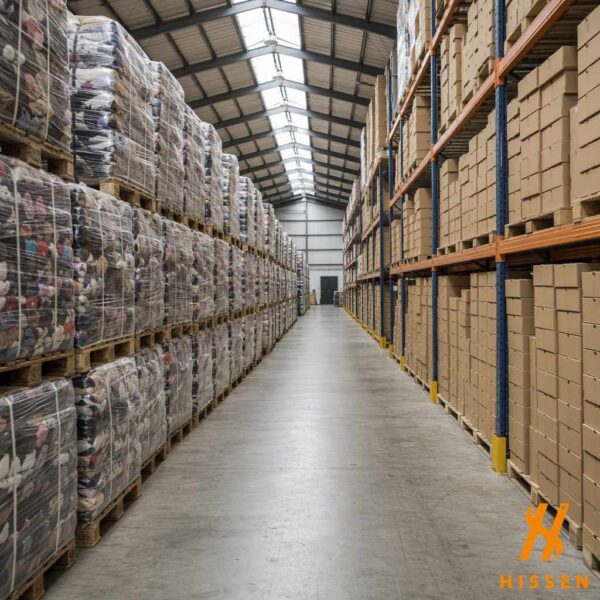
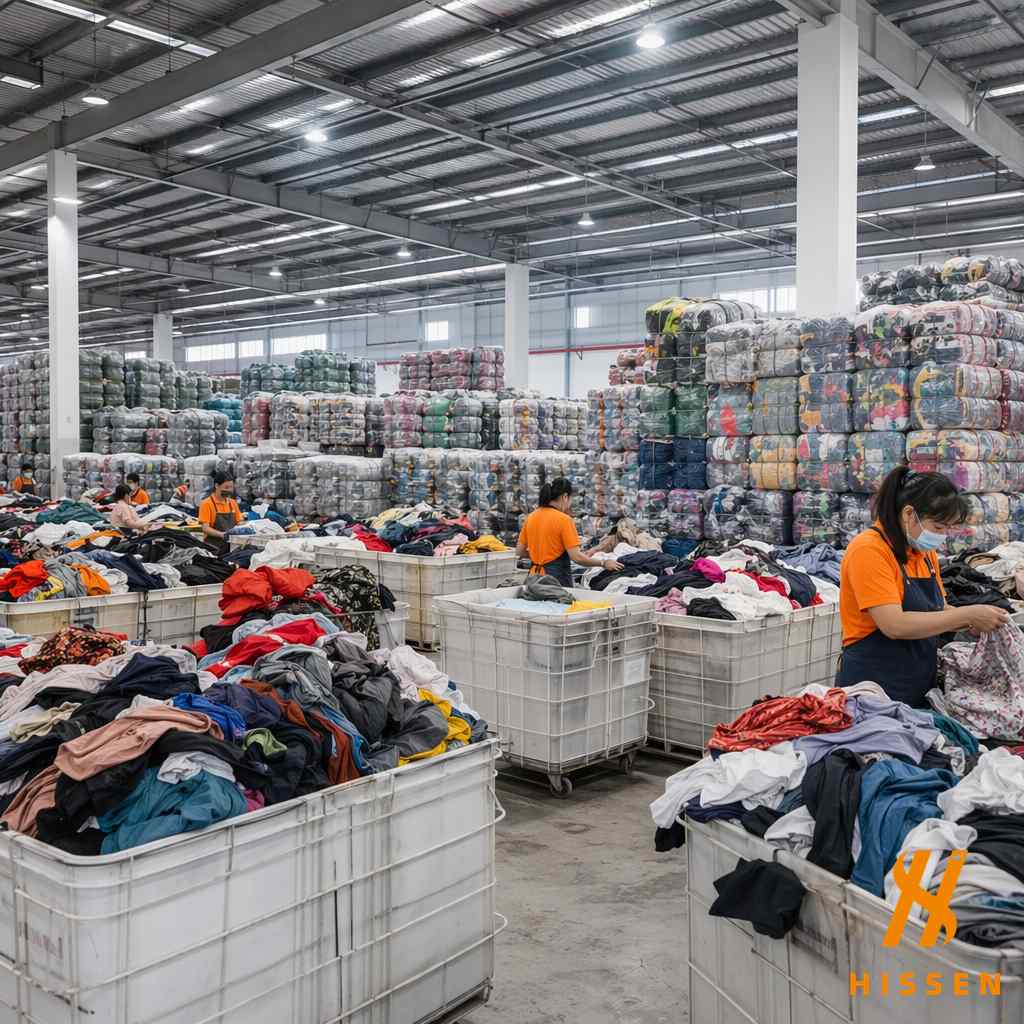
We built Hissen Global around the principles that create stable, long-term supplier relationships. With 12 years of export experience, 3 factories spanning 20,000 m², 25 sorting lines, and 400+ employees, we have the infrastructure to deliver consistent quality at scale. Our 7,000+ containers shipped to 110+ countries represent thousands of stable supplier relationships built over a decade.
We provide live video verification for every buyer, documented grade standards with bale content photos, complete export documentation with every shipment, and responsive communication in English and Chinese. We do not claim to be the cheapest supplier—but we deliver the consistency that makes a supply chain stable.
❓ Frequently Asked Questions
How can I find a stable used clothing supplier?
What is the most important quality in a used clothing supplier?
How do I know if a used clothing supplier will be stable long-term?
Should I use multiple suppliers for stability?
Which country offers the most stable used clothing supply?
📦 Build a Stable Supply Chain
Finding a stable used clothing supplier takes time, research, and verification. But the effort pays off—a reliable wholesale partner delivering consistent A Grade quality, order after order, is the foundation of a profitable import business.
Related reading: