This is Part 2 of our used clothing wholesale series. Part 1 covers the global market overview, grading, and pricing. This guide focuses specifically on where and how to source second hand clothes wholesale — the practical steps of finding suppliers, evaluating them, and placing your first order.
⏱ 9 min read · For importers, wholesalers & trade buyers
In this guide you will learn:
- Key industry insights and practical sourcing knowledge
- How to evaluate suppliers and avoid common mistakes
- Pricing benchmarks and quality standards
- Actionable steps for your import business
Second Hand Clothes Wholesale: Where & How to Source for Your Import Business (2026)
You understand the second hand clothes market. You know the grades, the pricing, the trade flows. Now comes the hard part: finding a supplier you can actually trust.
This guide covers the practical side of sourcing second hand clothes wholesale — the B2B platforms, the supplier types, the evaluation framework, and the step-by-step process for finding and vetting a reliable partner.
Whether you are a first-time importer looking for your first bale or an experienced wholesaler diversifying your supplier base, the principles in this guide apply. The used clothing industry is relationship-driven — the time you invest in finding the right supplier pays returns in every container you import.
Where to Find Second Hand Clothes Wholesale Suppliers
There are five main channels for finding wholesale suppliers of second hand clothes:
1. B2B Platforms
| Platform | Best For | Notes |
|---|---|---|
| Alibaba | Chinese suppliers | Largest selection. Verify carefully — many are intermediaries. |
| TradeKorea | Korean suppliers | Government-supported. More direct than Alibaba for Korean sourcing. |
| GOBIZKOREA | Korean suppliers | KOTRA-run platform with verified Korean companies. |
| Made-in-China | Chinese suppliers | Alternative to Alibaba with some verified listings. |
| Global Sources | Asian suppliers | More curated than Alibaba, less volume. |
2. Direct Factory Outreach
Many used clothing exporters in China and Korea do not actively list on B2B platforms. They rely on repeat buyers and referrals. Once you identify a region (e.g., Guangzhou for Chinese suppliers), you can search for companies directly through local business registries and contact them via email or WhatsApp.
3. Industry Networks and Referrals
The used clothing trade is relationship-driven. Other importers in your network are often the best source of supplier recommendations. WhatsApp groups, Facebook communities for used clothing importers, and industry WhatsApp groups in East and West Africa regularly share supplier experiences.
4. Trade Shows
While the used clothing sector does not have as many trade shows as other industries, events like Canton Fair (Guangzhou, China) and regional textile trade shows in Africa occasionally feature used clothing exporters.
5. LinkedIn and Professional Networks
A growing number of used clothing exporters in China and Korea maintain LinkedIn profiles. Searching for “used clothing export” + “Guangzhou” or “second hand clothes” + “Korea” can surface direct connections.
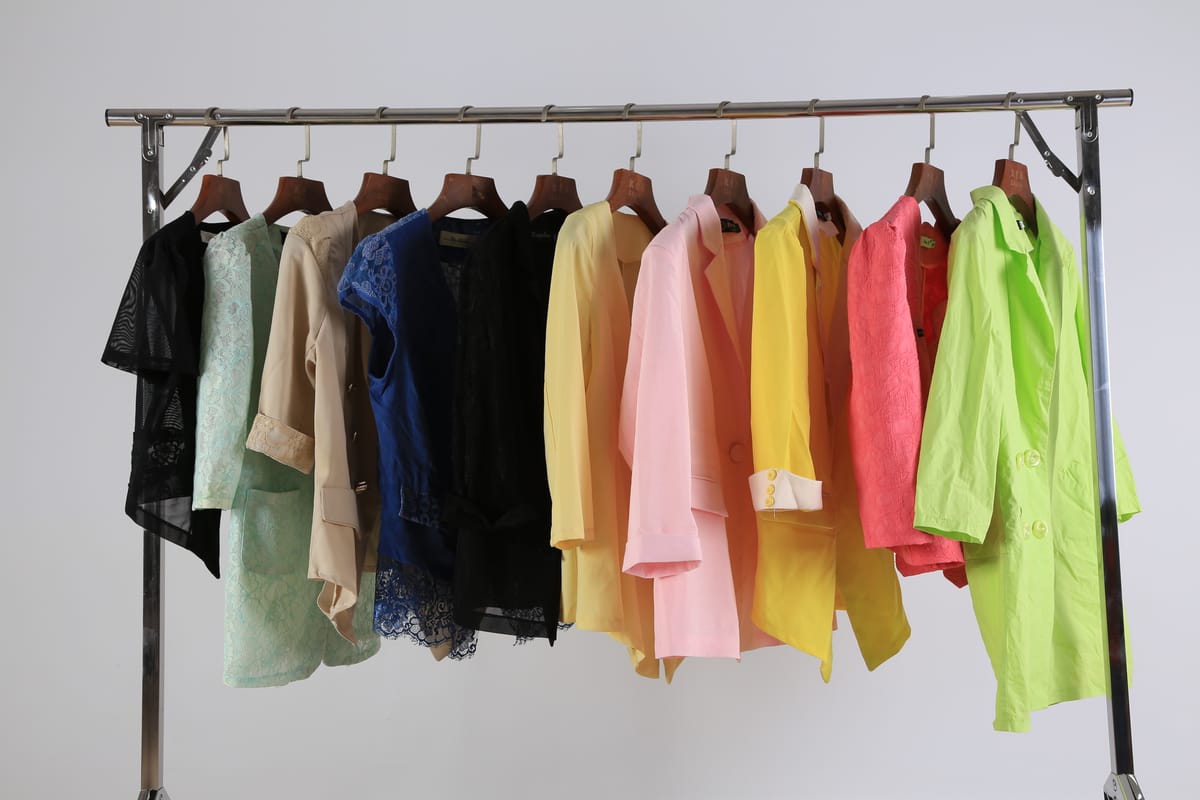
Types of Second Hand Clothes Wholesale Suppliers
Not all suppliers are the same. Understanding the difference helps you choose the right type for your business:
| Type | Description | Pros | Cons |
|---|---|---|---|
| Direct sorter/exporter | Owns sorting facility, sorts and exports directly | Best quality control, direct pricing, transparent | Higher MOQ, less flexible on terms |
| Trading company | Buys from multiple sorters, resells to buyers | More flexible on MOQ, wider category range | Higher prices, less quality control |
| Broker | Connects buyers with sorters for a commission | Can access multiple suppliers | No quality control, least transparent |
| Cooperative | Group of small sorters pooling export volume | Lower MOQ, community-based | Inconsistent quality, less professional |
Our recommendation: For serious importers, work directly with a sorter/exporter who owns their facility. You pay a fair price for the quality you receive, and you have a direct relationship with the people actually sorting your bales.
How to Evaluate a Second Hand Clothes Wholesale Supplier
Use this 5-point checklist to vet any potential supplier:
✅ 1. Verify They Own a Sorting Facility
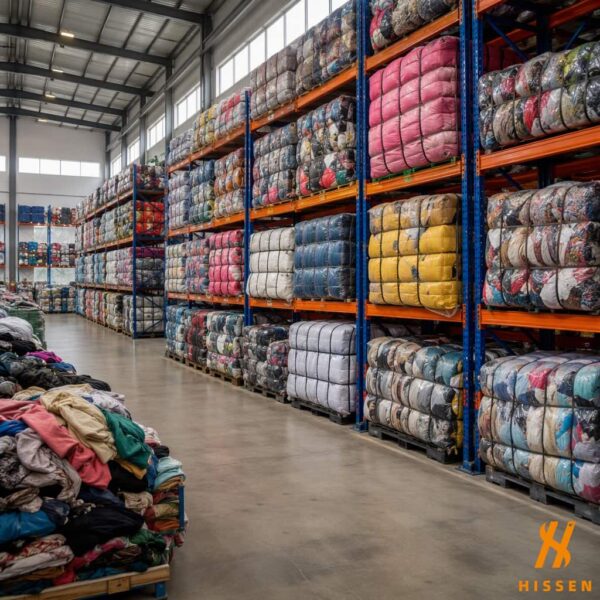
Ask for a live video tour of their sorting floor. Not photos, not pre-recorded videos — a live WhatsApp or WeChat video call. If they hesitate, ask why. If they refuse, move on.
✅ 2. Check Their Export History
Request: how many containers they ship per month, which countries they export to, and references from buyers in your region. A supplier who has shipped to your country before understands your market’s quality expectations.
✅ 3. Get Grading Standards in Writing
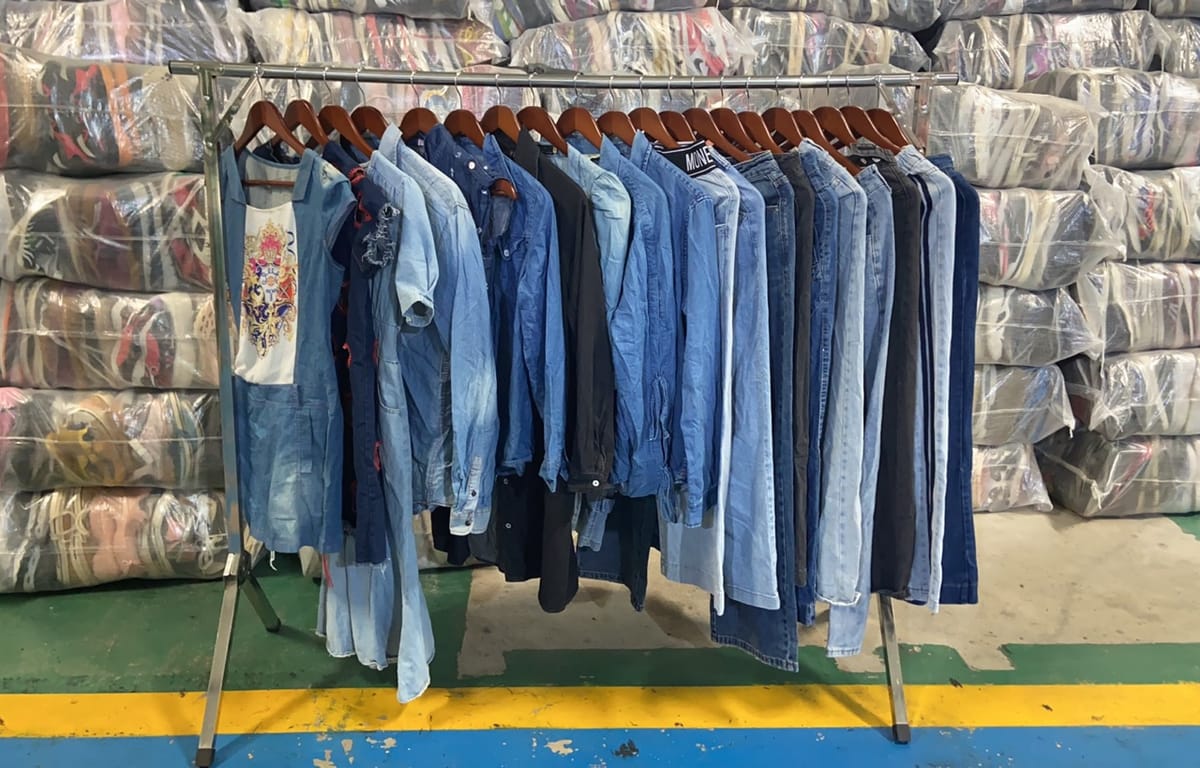
Ask for a written definition of their A Grade, B Grade, and Mixed Grade standards. Request 20-30 photos of random items from a typical A Grade bale. Compare with photos from other suppliers.
✅ 4. Compare Total Cost, Not Just FOB Price
A supplier quoting $1.80/kg may cost more in the end than one quoting $2.30/kg — if their bales are underweight, mixed grade, or poorly sorted. Calculate effective landed cost based on actual quality, not quoted price.
✅ 5. Verify Company Registration
In China, ask for the company’s Unified Social Credit Code — a 18-digit code that can be verified through public government databases. In Korea, ask for their business registration number. A legitimate company will provide this without hesitation.
Sourcing Origins Compared
Here is a quick summary of the main sourcing origins for second hand clothes wholesale:
| Origin | Best For | A Grade FOB/kg | Supplier Count |
|---|---|---|---|
| China | Volume, variety, consistency | $2.00–$3.00 | 200+ |
| South Korea | Fashion-forward styles | $1.10–$2.00 | 50+ |
| Europe | Branded content | $2.50–$4.00 | 100+ |
| USA | Mixed categories | $2.00–$3.50 | 50+ |
For most first-time importers, China is the recommended starting point — the largest supplier base, competitive pricing, and the most established export infrastructure for used clothing. China’s used clothing export industry is centered in Guangzhou, with major sorting facilities processing 6,000+ tons of raw material monthly. The concentration of suppliers in this region means competitive pricing and a wide range of categories and grades.
See our complete guide to Chinese used clothing suppliers for detailed company profiles and sourcing tips.
Step-by-Step Sourcing Process
- Define your requirements — Grade, categories, bale size, monthly volume, target FOB price. See our used clothes bales guide for detailed grade and category explanations.
- Research 10-15 suppliers — Use B2B platforms and direct outreach
- Send 5-8 RFQs — Include your requirements and ask specific questions about grading, facility, and export history
- Shortlist 3-4 suppliers — Based on pricing, communication quality, and transparency
- Verify with video calls — Live tour of the sorting facility for each shortlisted supplier
- Request references — Contact 2-3 buyers in markets similar to yours
- Place a small first order — One bale or a partial container
- Evaluate and scale — Inspect quality, give feedback, place larger orders with the best supplier
The entire process — from first research to your first bale arriving — typically taKES (market-dependent) weeks. Rushing it is the most common mistake new importers make. A supplier who seems “perfect” in the first email can disappoint when the container arrives. Take the time to verify.
For a more detailed look at the import process from Korea (which applies broadly to any origin), see our step-by-step import guide.
How to Communicate with Suppliers Effectively
Getting a useful response from a wholesale supplier is a skill. Follow these guidelines:
- Be specific in your first message. Don’t just ask “How much?” Tell them: your target market, preferred grade, categories, bale weight, and estimated monthly volume. Suppliers prioritize serious inquiries.
- Ask the right questions. Instead of “Is your quality good?” ask “Can you show me 30 random items from your current A Grade ladies bale on a video call?”
- Respect time zones. Chinese suppliers typically work 9:00-18:00 CST (UTC+8). African importers are often 5-7 hours behind. Schedule video calls accordingly.
- Communicate in simple English. Avoid idioms and complex sentences. Clear, direct language reduces misunderstanding.
- Follow up persistently. One email is rarely enough. If you don’t get a response in 48 hours, send a polite follow-up. Suppliers receive dozens of inquiries daily.
Red Flags When Sourcing Second Hand Clothes
- 🚩 Supplier cannot or will not do a live video call
- 🚩 Price is significantly below market average
- 🚩 Supplier has no verifiable export history
- 🚩 Communication is slow or evasive when asked specific questions
- 🚩 Supplier refuses to provide company registration details
- 🚩 “A Grade” is described vaguely without written standards
- 🚩 Supplier pressures you to pay the full amount upfront
For a detailed guide, see our 7 red flags of used clothing distributor scams.
💡 Key Takeaways
- Choose suppliers who offer live video verification — not just photos
- Compare total landed cost, not just FOB price per kg
- A Grade standards vary by supplier — always get written definitions
- Start with a small order to evaluate quality before scaling
- Build long-term relationships with consistent suppliers for better pricing
Frequently Asked Questions
Where is the best place to buy second hand clothes wholesale?
How much does a bale of second hand clothes cost wholesale?
Can I buy second hand clothes wholesale from Alibaba?
What is the minimum order quantity for wholesale second hand clothes?
Which country has the cheapest second hand clothes wholesale?
Start Sourcing Today
Finding a reliable second hand clothes wholesale supplier takes time, research, and verification. But the effort pays off — a trustworthy supplier relationship is the foundation of a profitable import business.
Start with the checklist in this guide, use the platforms recommended above, and always verify before you pay. For a broader market perspective, read our second hand apparel market 2026 analysis. For a deeper look at Chinese sourcing options: read our China suppliers guide, check current pricing, and contact Hissen Global for a direct sourcing experience with live video verification.