Premium Second Hand Sneakers Supplier for High-End Sneaker Boutiques: Curation-Grade Stock Guide (2026)
⏱ 15 min read · For importers, wholesalers & trade buyers
In this guide you will learn:
- ✅ What “premium” really means when buying second hand sneakers for a boutique
- ✅ The difference between boutique-grade and ordinary bale stock
- ✅ A step-by-step process to evaluate a premium sneaker supplier
- ✅ How to build a curated range: condition, brands, sizes and mix
- ✅ How Hissen Global’s premium supply fits a high-end boutique strategy
1️⃣ The High-End Sneaker Boutique: Selling Condition, Curation & Story 🏬
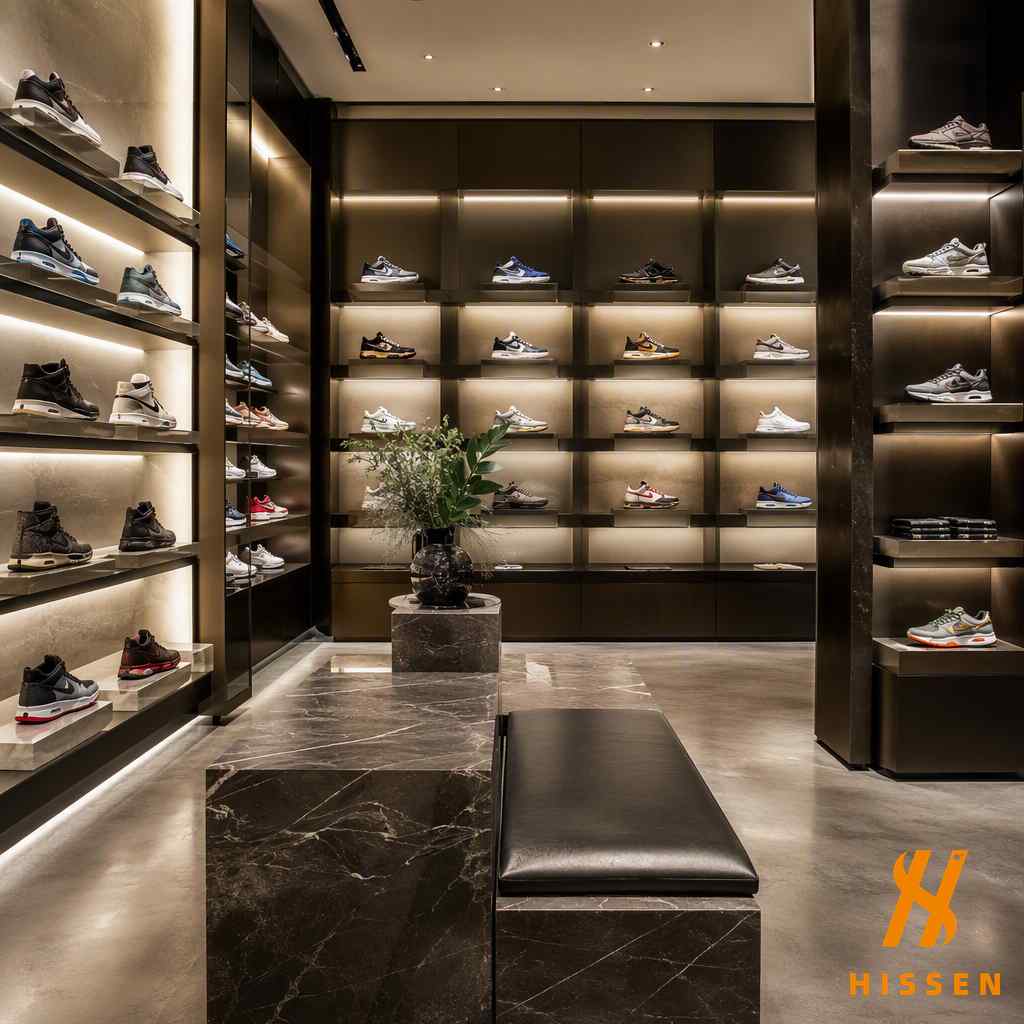
Across Latin America, Southeast Asia and Africa, premium sneaker boutiques are thriving. These are not market stalls — they are curated retail spaces where customers pay for condition, authenticity and curation. A boutique customer is not hunting for the cheapest pair; they are choosing a pair that looks great, fits the story of the shop, and carries the status of a recognized brand.
For the importer who supplies such boutiques, the game changes completely. Random bales will not work. What works is a dependable line of premium second hand sneakers — like-new condition, correct pairs, desirable brands, honest sizing. Written from the perspective of a China-based exporter, this guide explains what premium boutique-grade stock is, how to find a supplier who can deliver it consistently, and how Hissen Global fits that model.
2️⃣ What Makes a Sneaker “Premium” in This Market 🏆
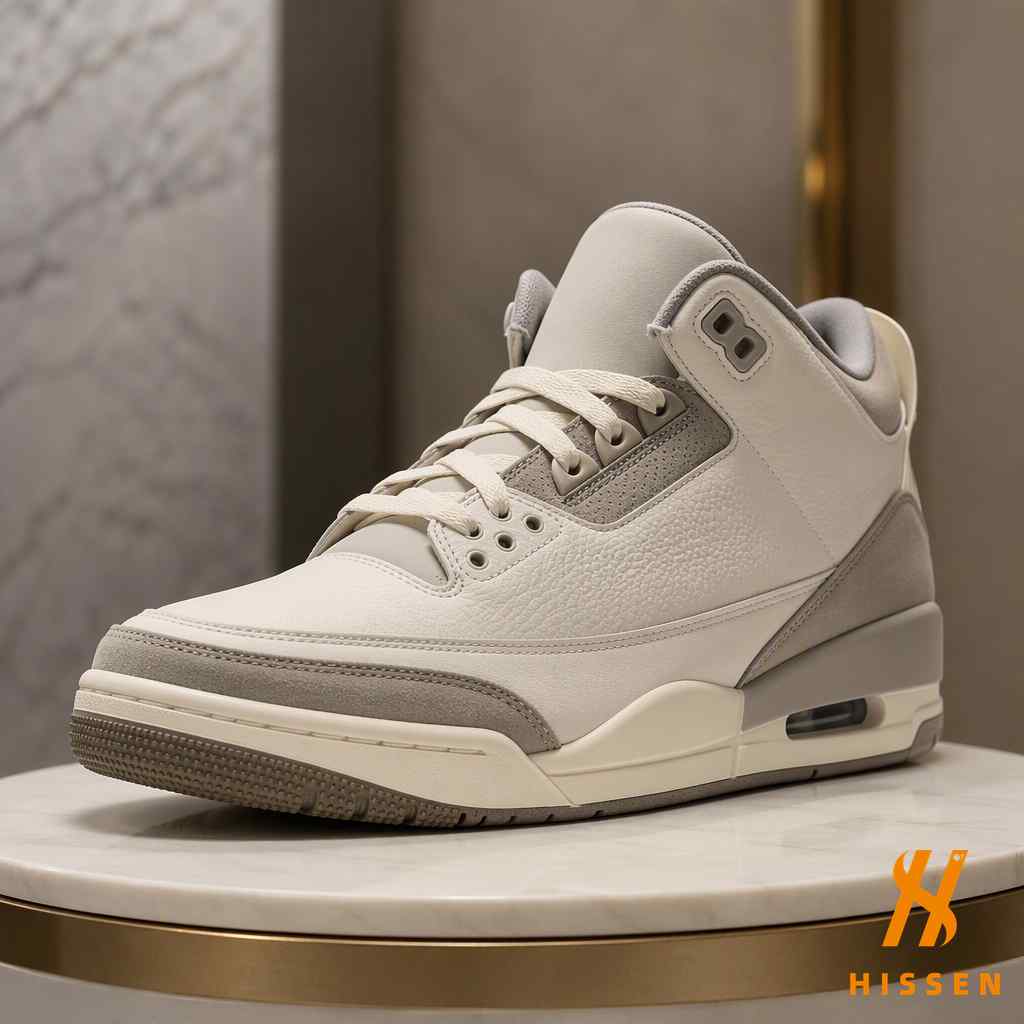
Premium is not a marketing word — it is a precise set of qualities that boutique customers will verify at the moment they touch the shoe.
- 👟 Like-new condition: minimal or no visible wear, clean soles, intact stitching, no deep creases.
- 🔤 Correct matching pairs: true size, matching pair, no mix-ups that embarrass a boutique.
- 🏷️ Desirable brands: Nike, Adidas, Jordan, Puma, New Balance and strong Chinese brands like 361° — names customers actively search for.
- 📏 Honest sizing: genuine sizes so the customer’s pair fits first time, every time.
- ✨ Photograph-ready: pairs that look premium in listings and on the shelf.
A premium supplier grades to exactly these standards — and puts them in writing, because a boutique’s reputation depends on consistency.
3️⃣ Boutique-Grade vs Ordinary Bale Stock: The Real Difference 📊
If you have ever bought ordinary mixed bales, you know the gamble: some pairs sell, some need repair, some are unsellable. Premium boutique stock removes the gamble by design.
| Factor | Ordinary Bale Stock 🏪 | Premium Boutique Stock 🏬 |
|---|---|---|
| Condition | Mixed, varied wear | Like-new to lightly worn |
| Sorting | Minimal, by category | Hand-curated by pair |
| Pair matching | Occasional mismatches | Verified correct pairs |
| Brand mix | Unpredictable | Curated desirable brands |
| Resale price per pair | $3–8 typical | $15–40+ depending on brand |
| Returns / bad reviews | Common | Rare |
The premium model trades a higher purchase price for a far higher sell-through rate and reputation — which, for a boutique, is the entire business.
4️⃣ Step-by-Step: How to Evaluate a Premium Sneaker Supplier 📋
Finding a supplier who can deliver premium-grade stock consistently is the hard part. Here is the process we recommend — the same one we invite you to apply to Hissen Global:
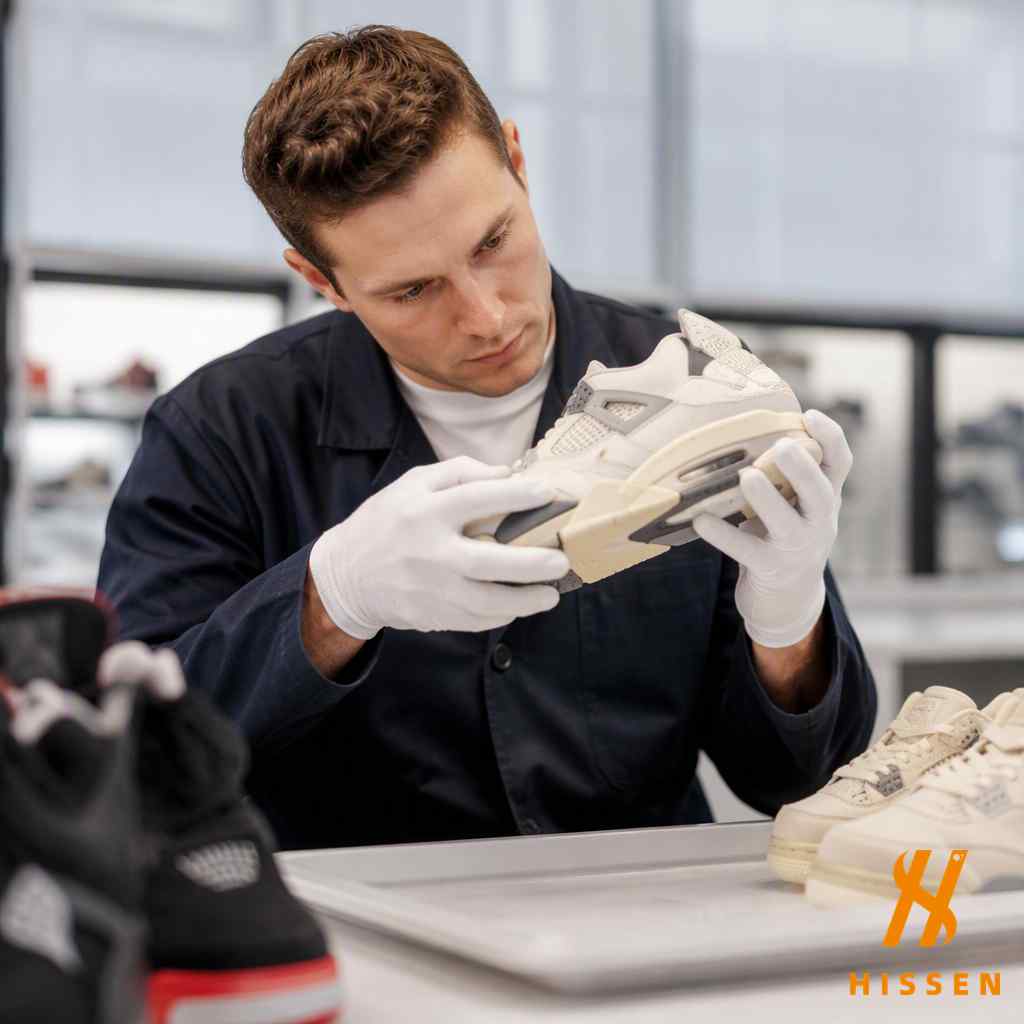
- 📸 Ask for photos of actual pairs. Not catalogue imagery — real photos of the graded stock you will receive.
- 🔍 Demand the written grade chart. A premium supplier defines “like-new” precisely, with photo examples per grade.
- 🏷️ Confirm the brand list. Which recognized brands can they supply reliably, and in what quantities?
- 📏 Check the size curve. Boutique buyers need consistent sizes for the local market — EU 40–46 for Africa and South America, smaller for Southeast Asia.
- 📹 Insist on a live video tour. See the actual curated stock before committing. Premium claims must be visible.
- 🔁 Test with a first order. One category or a small lot, verify quality and sell-through, then scale.
5️⃣ Building a Curated Range: The Boutique Mix Formula 🎯
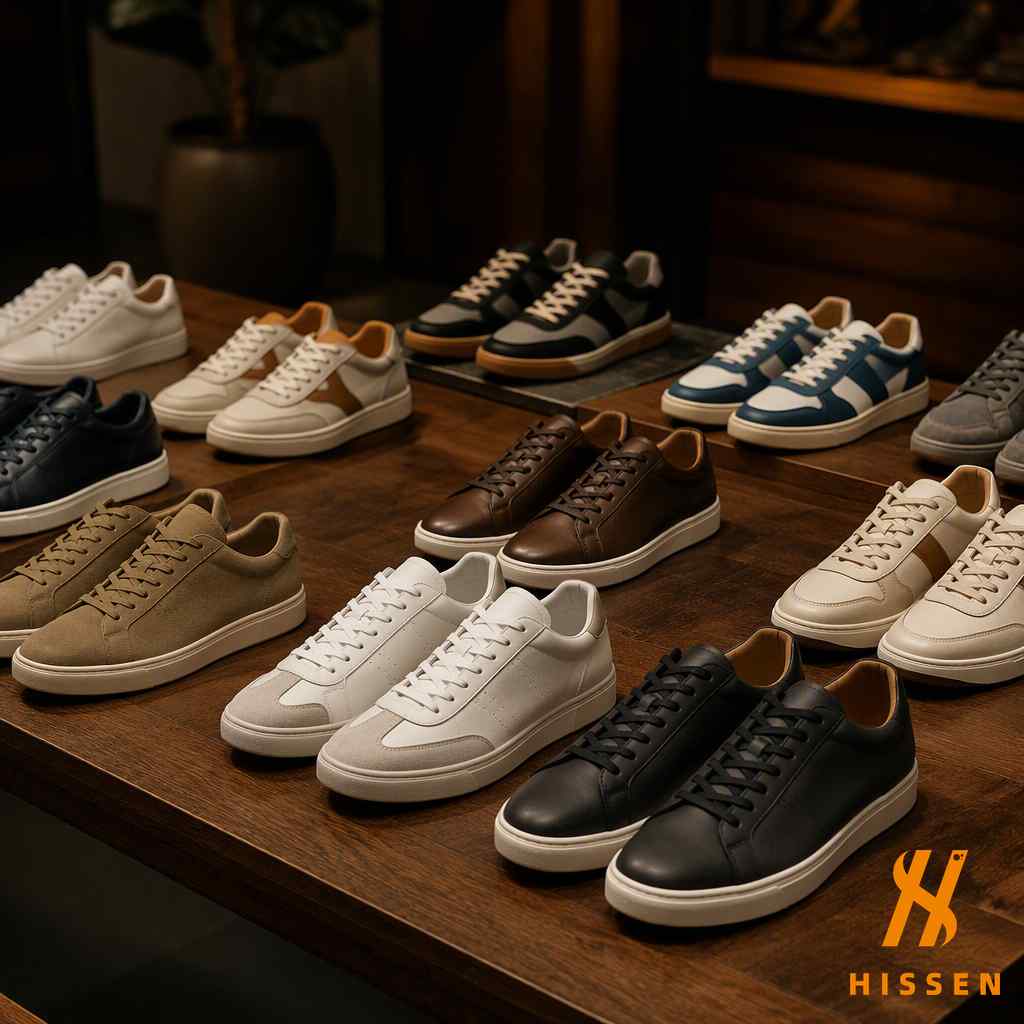
A successful boutique does not stock randomly — it curates. A strong mix formula balances several lines:
- 👟 Iconic models & brands (30–40%): the recognized names that draw customers through the door.
- ✨ Clean daily-wear premium pairs (40–50%): reliable, sellable volume that pays the rent.
- 🔥 Statement & rare pieces (10–20%): unique pairs that give the boutique its personality and margins.
- 📦 New-stock accents: brand-new clearance sneakers (like our 500,000-pair 361° lot) for customers who want unworn pairs.
This mix — used premium plus new clearance — is exactly the two-wheel supply model applied to a boutique. Used premium carries the curation; new stock adds unworn options. One supplier, one consistent line.
6️⃣ Real Boutiques That Built on Premium Supply 🌍
Seeing the model work makes it real.
Sneaker boutique in Mexico City, Mexico 🇲🇽
Lucía opened a small curated sneaker shop. She started with ordinary bales, and her racks looked random. Switching to premium graded stock — like-new branded pairs with a consistent size curve — transformed the shop. Customers began returning because they trusted the condition. Within a year she doubled her floor space.
Streetwear boutique in Jakarta, Indonesia 🇮🇩
Andre runs a streetwear-focused boutique that also sells online. Premium pairs photograph beautifully, so his online listings convert at a higher rate. The mix of used premium and new clearance gives his customers a reason to come back — something new every week.
Sport fashion shop in São Paulo, Brazil 🇧🇷
Mariana’s boutique serves sport-conscious shoppers. Branded premium sneakers in larger sizes sell fast in her market. Consistent supply from one trusted supplier means her shelves stay full and her reputation for quality keeps growing.
7️⃣ Reliability: The Hidden Requirement Behind Premium Stock 🔒
A boutique can survive a small error; it cannot survive inconsistent supply. Premium stock demands a supplier who is dependable in five specific ways:
- 📆 Consistent availability: the same grades and brands, order after order — not a lucky lot this month and nothing next month.
- 📞 Responsive communication: fast, clear answers about stock, grades, documents and delivery.
- 🧾 Documentation discipline: consistent paperwork across every shipment, so customs clearance never surprises you.
- 📦 Honest packing: what is on the label matches what is in the sack — the foundation of boutique trust.
- 🤝 Partnership mindset: a supplier who learns your market and suggests better mixes is worth more than one who just takes orders.
These five habits are exactly what separate a premium supplier from a vendor with premium-sounding marketing. They are also the standard we hold ourselves to at Hissen Global, because a boutique’s reputation is our reputation.
Ask a supplier for their repeat-client list and their typical reorder rhythm. Long-term boutique clients who reorder monthly are the strongest signal that the premium standard holds over time, not just on the day of the sales call.
8️⃣ Pricing Premium Boutique Stock 💰
Premium stock costs more per pair to acquire — and earns far more on resale. The economics favor quality:
- 📊 Cost per pair: premium graded lots run higher per pair than mixed bales, reflecting the curation work.
- 🏷️ Resale per pair: $15–40+ for like-new branded pairs, depending on brand and demand.
- 📈 Sell-through: premium pairs sell through at far higher rates, so the effective margin beats cheap bales.
The boutique rule: a shelf of pairs that all sell beats a bale where half are unsellable. That is the premium arithmetic.
One more number worth keeping in mind: the cost of an unsellable pair is not zero — it is negative. It ties up capital, takes up shelf space and can generate a bad review that costs you future sales. When you compare a premium lot with a cheap bale, remember to subtract the losses hidden in the bale: unsellable pairs, mismatched pairs, pairs needing repair. For a boutique, those hidden losses quickly exceed the difference in purchase price. Premium stock is not a luxury on the cost sheet; it is the lower-risk choice.
9️⃣ Common Mistakes When Sourcing Premium Sneakers ⚠️
- ❌ Trusting the word “premium” without proof. Demand photos, written grades and a live tour.
- ❌ Buying random bales for a boutique. Mixed stock destroys the curated feel customers pay for.
- ❌ Ignoring pair matching. One mismatched pair in a boutique damages trust and triggers returns.
- ❌ Neglecting the size curve. Premium stock in the wrong sizes is still dead stock.
- ❌ Judging only by price. The cheapest premium-grade claim is usually the least consistent — and the costliest to a reputation.
💡 Key Takeaways
- 🔑 Premium boutique stock means like-new condition, correct pairs, desirable brands and honest sizing — verified in writing.
- 🔑 Boutique-grade sell-through and reputation far outweigh the higher purchase price.
- 🔑 Evaluate with real photos, written grades, brand list, size curve, live tour and a first order.
- 🔑 Build a curated mix: iconic, daily-wear, statement and new-stock accents — the two-wheel model for boutiques.
🔟 Frequently Asked Questions
Q1. What makes second hand sneakers premium enough for a boutique?
Like-new to lightly worn condition, correct matching pairs, desirable brands and honest sizing — qualities a premium supplier grades, documents and shows before you buy.
Q2. Is premium stock worth the higher price per pair?
Usually yes for a boutique. Premium pairs sell through at far higher rates and command $15–40+ each, so the effective margin beats cheap bales where half the pairs are unsellable.
Q3. Can I mix used premium sneakers with new shoes?
Yes. Many boutiques add brand-new clearance sneakers (like our 500,000-pair 361° lot) for customers who want unworn pairs, alongside curated used premium stock.
Q4. How do I verify the condition before ordering?
Ask for photos of actual pairs, a written grade chart with examples, and a live video tour of the curated stock. A premium supplier is confident showing exactly what you will receive.
Q5. What sizes should I order for my market?
Match the size curve to your customers: EU 40–46 for Africa and South America, smaller ranges for Southeast Asia. Confirm the supplier can deliver a consistent curve.
Q6. Do you ship to Africa, South America and Southeast Asia?
Yes. We ship premium sneakers and new stock regularly to all three regions, with container planning, documentation and port guidance handled by our logistics team.
Building a high-end sneaker boutique that needs curation-grade stock? That is our specialty.
Hissen Global is a China-based exporter supplying premium second hand sneakers and brand-new clearance stock to importers and boutiques across Africa, South America and Southeast Asia. Tell us your boutique’s position and market — we will show you actual curated pairs, written grades and a range plan built for your floor.