🌍 China Used Clothes Warehouse for Africa Market: How It Works and Why It Matters
If you are looking for a >China used clothes warehouse for the Africa market, you are probably asking two simple questions:
⏱ 8 min read · For importers, wholesalers & trade buyers
In this guide you will learn:
- Key industry insights and practical sourcing knowledge
- How to evaluate suppliers and avoid common mistakes
- Pricing benchmarks and quality standards
- Actionable steps for your import business
✅ Can this supplier provide stable quality?
✅ Can they ship bulk used clothes in a way that actually works for my market?
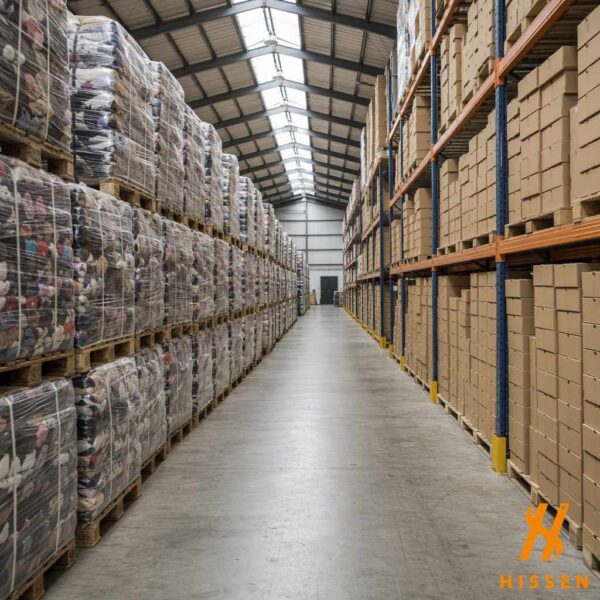
That is exactly what a professional used clothes warehouse is designed to do. It is not just a storage place. It is a sorting, grading, packing, and export center that turns mixed second hand clothes into sellable wholesale goods for overseas buyers.
For African importers, this matters a lot. A strong warehouse means better sorting, cleaner stock, more consistent bale quality, and fewer surprises after the container arrives. If you want to see how a professional exporter operates, you can start from the >Hissen Global factory introduction.
📩 Quick CTA: Need a quotation fast? >Contact Hissen Global here to request a warehouse video, packing list, or latest price list.
📦 What Is a Used Clothes Warehouse?
A used clothes warehouse is a professional facility where second hand clothing is received, inspected, sorted, graded, packed, and prepared for wholesale export.
In the used clothing business, the warehouse is the heart of the supply chain.
It connects collection channels, sorting teams, quality control, and export buyers. Without a proper warehouse, second hand clothing is just mixed inventory. With a proper warehouse, it becomes a product ready for resale.
For Africa market buyers, this difference is very important. Many African wholesalers, traders, and shop owners need stock that is:
- ✅ Stable.
- ✅ Easy to resell.
- ✅ Properly sorted.
- ✅ Suitable for local demand.
- ✅ Packed for long-distance shipping.
That is why warehouse capability often matters more than just price. Buyers who want to review product categories can also explore >used clothes product categories before placing an order.
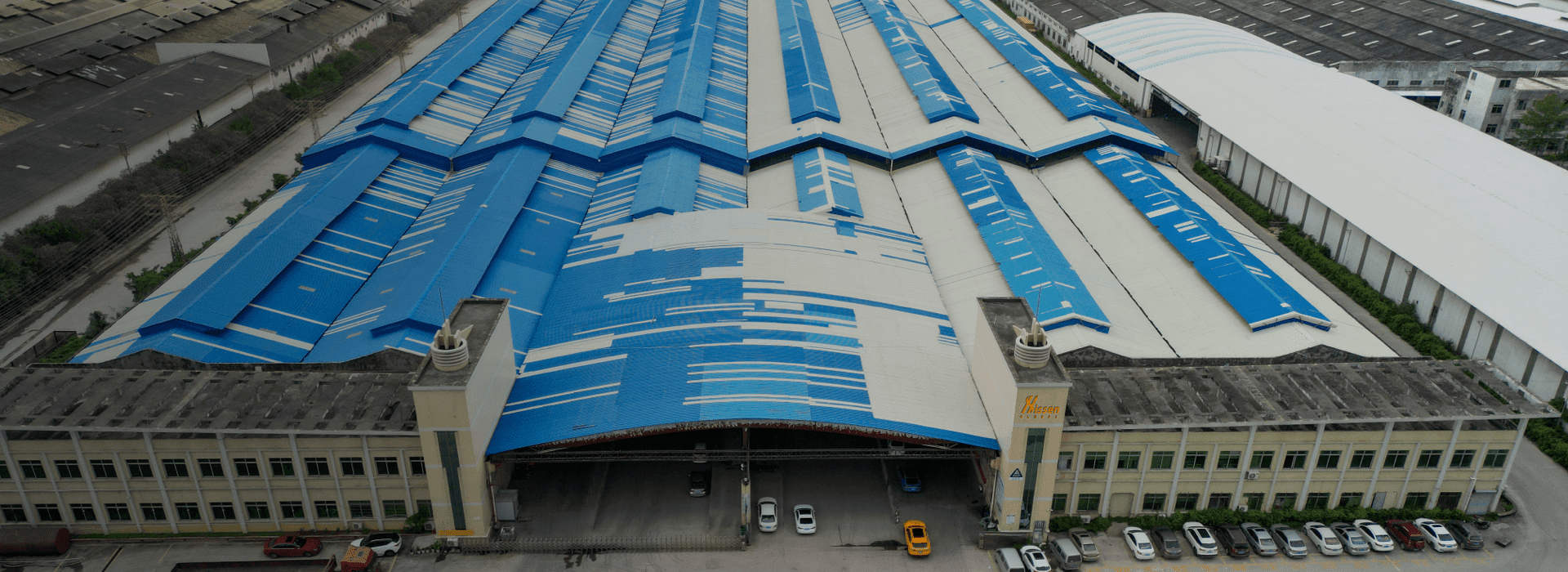
⚙️ How a China Used Clothes Warehouse Works
A good China used clothes warehouse usually follows a clear process.
1️⃣ Receiving the raw material
The warehouse first receives used clothing from collection channels. These items may come in mixed bags or bulk shipments.
At this stage, the warehouse team checks the condition, weight, moisture level, and general cleanliness of the incoming goods.
2️⃣ Initial inspection
Before sorting begins, the goods are checked for obvious problems like:
- ⚠️ Excessive damage.
- ⚠️ Strong odor.
- ⚠️ Mold or moisture.
- ⚠️ Unusable waste.
- ⚠️ Mixed non-textile items.
This step helps protect the final quality of the shipment.
3️⃣ Sorting and grading
This is the most important part.
The warehouse team sorts the clothes by:
- 👕 Category.
- 🧍 Gender.
- ☀️ Season.
- 🧥 Style.
- 🏷️ Brand level.
- ⭐ Quality grade.
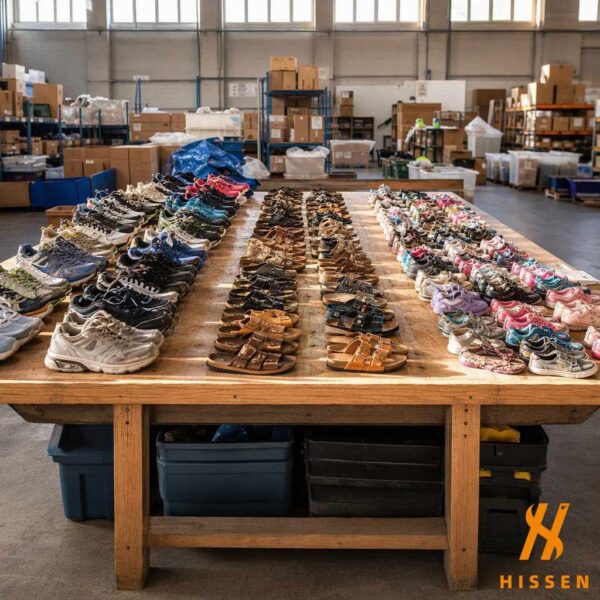
For example, African buyers may want different mixes for different markets. Some buyers prefer summer clothes. Some prefer casual wear. Some want branded items. Others want lower-cost bulk stock for fast turnover.
A professional warehouse can adjust the mix according to the target market. If you want to check a ready-to-order bulk option, see this >A-grade mixed used clothes in bales product page.
4️⃣ Rechecking and quality control
After sorting, the clothes are checked again to make sure the grade is consistent.
This is where a reliable warehouse stands out. It should not only sort quickly, but sort carefully.
Good quality control reduces complaint risk and improves customer repeat orders.
5️⃣ Packing and baling
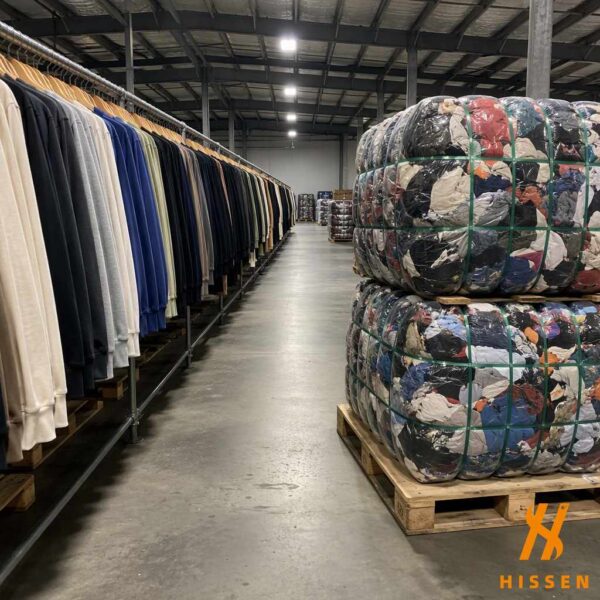
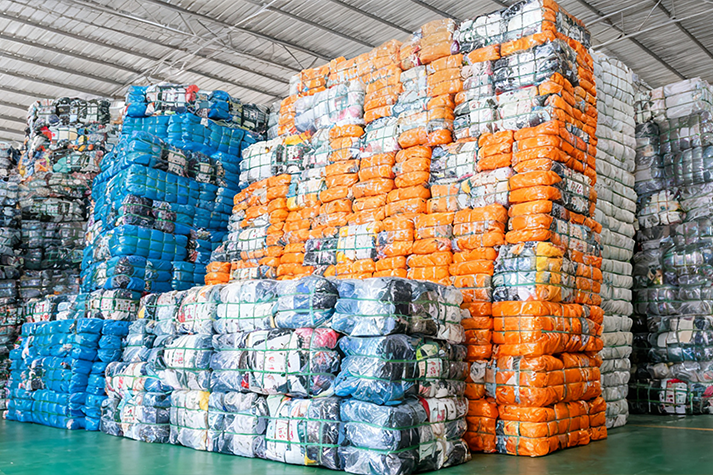
Once the stock is ready, it is packed into bales or bags for export.
Proper packing helps with:
- 📦 Container loading.
- 🚚 Transport efficiency.
- 🛡️ Protection during shipping.
- 📋 Easier counting and handling at destination.
For Africa buyers, bale consistency is especially important because it affects resale planning and warehouse distribution after arrival.
6️⃣ Container loading and export preparation
The final step is loading the container.
A professional warehouse should know how to optimize:
- ⚖️ Weight balance.
- 📦 Bale placement.
- 💧 Moisture protection.
- 🚢 Loading efficiency.
This is one of the biggest signs that a supplier understands export business.
📦 CTA for Buyers: Want to compare bale categories and packaging options? Visit the >used clothing list or >ask for a custom packing list.
🌍 Why African Buyers Prefer Stable Sorting and Bulk Supply
African buyers usually care about one thing above all: sellability.
They need goods that can move fast in their local market.
That is why a stable China used clothes warehouse is valuable. It can provide:
- ✅ Consistent quality.
- ✅ Regular supply.
- ✅ Large volume availability.
- ✅ Flexible product mix.
- ✅ Better matching for local resale channels.
Many African markets also need different product styles depending on region, season, and buying power. A good warehouse can adjust this mix without losing quality control.
For wholesalers, this reduces risk. For retailers, it improves turnover. For importers, it creates a more predictable business model.
📍 Different African markets, different demand
Not every African market buys the same mix. Some prefer stronger budget stock for faster resale, while others focus more on branded or higher-grade items.
- Nigeria often needs large-volume stock with strong resale value.
- Ghana buyers may focus on flexible mixed bales and fast-moving items.
- Kenya importers often want stable supply and easy-to-sell categories.
This is why a China warehouse must understand local market demand instead of offering one fixed mix to everyone. If your target is Africa specifically, this >second hand clothes for Africa page is also worth checking.
🔍 What Makes a Reliable Supplier for Africa
Not every used clothes supplier is suitable for the Africa market.
A reliable supplier should have:
- 📌 A clear sorting standard.
- 🏭 A real warehouse, not just a trading office.
- 👷 Experienced workers.
- 🚢 Stable export experience.
- 📦 Good packing methods.
- 📈 The ability to handle container orders.
- 🌍 Product mixes suitable for Africa demand.
You should also check whether the supplier can explain their process clearly.
If a company cannot describe how they sort, pack, and load the clothes, that is a warning sign.
A good supplier should be able to show:
- 📷 Warehouse photos.
- 🏭 Sorting lines.
- 📦 Bale samples.
- 📝 Packing details.
- 🌍 Export experience in Africa.
To learn more about the company background, production scale, and factory tour options, visit the >About Us page.
🧭 Warehouse Process: From Collection to Container Loading
Here is a simple overview of the full workflow:
| Step | What Happens | Why It Matters |
|---|---|---|
| 1. Collection | Used clothes are gathered from source channels | Starts the supply chain |
| 2. Inspection | Bad items and unwanted waste are removed | Protects quality |
| 3. Sorting | Clothes are divided by type and grade | Creates sellable stock |
| 4. Rechecking | Workers verify quality again | Reduces complaints |
| 5. Packing | Clothes are baled or bagged | Makes export easier |
| 6. Loading | Goods are placed into containers | Prepares for shipment |
This process may sound simple, but in reality it requires experience, trained workers, and strict quality control.
🛒 Buyer Checklist Before Ordering
Before placing an order, African buyers should confirm these points:
| Buyer Question | Why It Matters |
|---|---|
| What is the MOQ? | Helps you plan the order size |
| Can I request a specific mix? | Ensures the stock fits my local market |
| Can I see a warehouse video? | Confirms the supplier has real stock |
| Can I get a sample bale? | Checks quality before big order |
| How long is the lead time? | Helps with shipping and sales planning |
| What is the bale weight? | Affects freight cost and resale calculation |
📋 Ready to check these points one by one? >Send Hissen Global your target market and request a custom quotation.
❓ Common Questions from African Importers
Can I order mixed used clothes for my market?
Yes. Many African buyers prefer mixed stock because it gives them more flexibility in local resale.
Can I request a specific category mix?
Yes. A professional warehouse can usually customize the mix based on your target market.
How do I know the quality is stable?
Ask for photos, videos, sample packs, and a clear grading explanation.
Is warehouse capacity important?
Very important. If the warehouse is too small or too weak in sorting, supply may become unstable.
Why buy from China?
Because China has strong sorting capacity, large-scale warehouse systems, and export experience for many overseas markets.
Can I request a warehouse video before ordering?
Yes. A reliable supplier should be able to show real warehouse footage, bale samples, and loading scenes.
What should I ask before making a large order?
Ask about MOQ, mix ratio, sample availability, loading time, and whether the stock fits your local market demand.
🏭 Why Hissen Global Is Built for Africa Buyers
Hissen Global is not just a seller of used clothes. It is a B2B supplier with warehouse and export capability designed for wholesale buyers.
For Africa market customers, that means:
- ✅ Bulk supply support.
- ✅ Stable sorting standards.
- ✅ Container-level export service.
- ✅ Professional packing.
- ✅ Better communication for wholesale cooperation.
Hissen Global’s website highlights a 20,000m² factory, exports to Africa and other regions, and direct factory-based supply for wholesale buyers.[web:38][web:77]
If you are looking for a China used clothes warehouse that understands African market demand, Hissen Global is built for that business model. You can also browse the >second hand men clothes page or the >wholesale used clothing supplier page to see more product direction.
🚀 Final Thoughts
A used clothes warehouse is more than storage. It is the place where raw second hand clothing becomes export-ready wholesale stock.
For African buyers, the key is not only finding cheap goods. The key is finding a supplier that can sort well, pack well, and ship consistently.
That is what makes a strong China used clothes warehouse valuable in the Africa market.
📩 CTA 1: >Request your latest quotation now
🎥 CTA 2: >Ask for a warehouse video or online factory tour
📦 CTA 3: >Browse used clothes categories for Africa market
📝 CTA 4: >Send us your target country and get a custom packing recommendation
For detailed bale grading and pricing information, see our used clothes bales guide.