Published June 17, 2026 · Industry analysis
The global used footwear market is going through a transformation. From StockX reopening physical stores to major B2B players launching rapid-dispatch programs, the secondhand shoe trade is consolidating, professionalizing, and expanding faster than ever.
As a Chinese exporter of used shoes bales, we track these changes closely — not just because they affect our business, but because they signal where the industry is headed. And for importers in Africa, Asia, and South America, the direction is clear: the used shoes trade is becoming bigger, faster, and more professional.
⏱ 7 min read · For used shoe importers & wholesalers
In this article:
- Major developments reshaping the used footwear market in 2026
- What consolidation means for pricing and supply
- How Chinese suppliers are adapting to the changing market
- Practical advice for importers navigating the shifts
👟 5 Developments Reshaping the Used Footwear Market in 2026
1. 🏬 StockX Returns to Physical Retail
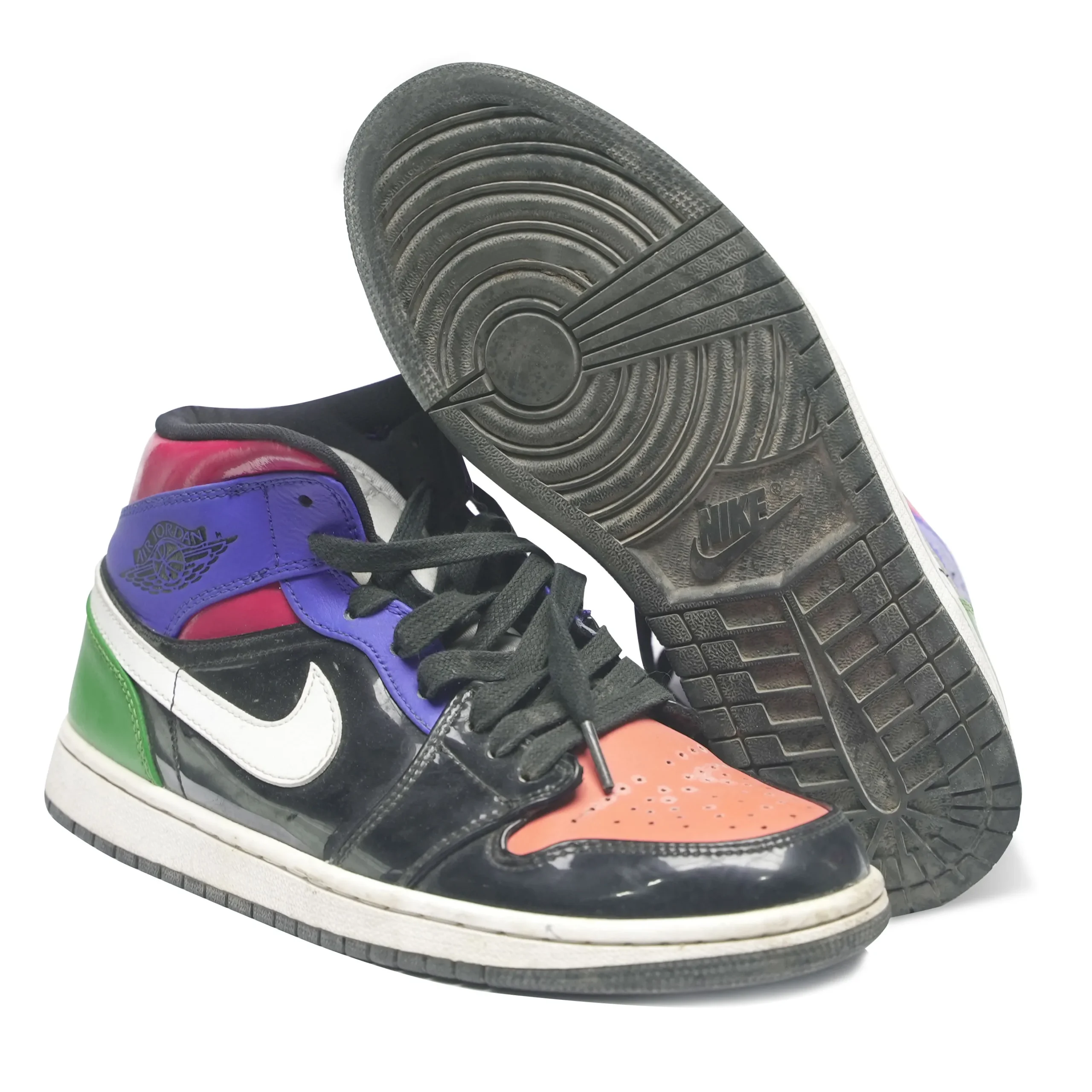
StockX — the global sneaker resale platform — reopened its permanent NYC retail store in SoHo in 2026, offering in-person drop-offs and sales. This signals confidence in the long-term growth of secondhand sneakers as a mainstream market. When a major platform invests in physical retail, it means the demand is real and lasting.
2. 🌏 Carousell Acquires Ox Street
Southeast Asia leading recommerce platform Carousell acquired sneaker marketplace Ox Street, consolidating the secondhand sneaker trade in one of the fastest-growing regions for used footwear. For importers serving SEA markets, this means more organized supply chains and authenticated product flows.
3. 🚀 Indetexx Launches Rapid-Dispatch Footwear Program
A major B2B exporter launched a “Chinese Brand New Shoes” program offering dispatch within 7-14 days from China warehouses — compared to the standard 60-90 day factory lead times. Stock equivalent to 10 full 40-foot containers is held in warehouses. A 40ft container yields approximately 20,000 pairs (men’s), 22,000 pairs (women’s), or 30,000-33,000 pairs (children’s).
This is significant because it shows the market moving toward speed and consistency — the same values that used shoes bale buyers should expect from their suppliers.
4. 📱 Secondhand Platforms + Warehouse Clubs
A March 2026 report highlighted that Poshmark and resale platforms are disrupting mid-tier retail, while warehouse club memberships are becoming a new channel for price-conscious footwear buyers. Even Uber Eats now delivers from shoe retailers. The boundary between “secondhand” and “retail” is blurring — and this expands the total market for used footwear.
5. 🏪 Johar Market Expands Secondhand Footwear
In Semarang, Indonesia, Johar Market opened a new section dedicated to secondhand shoes and clothing, indicating that demand in Southeast Asia continues to grow at the grassroots level alongside the digital consolidation.
📱
Poshmark & warehouse clubs reshape footwear sales
🚀
Indetexx launches rapid-dispatch footwear program
🌏
Carousell acquires Ox Street (SEA sneaker marketplace)
🏬
StockX reopens NYC retail store for sneaker resale
🏪
Johar Market (Indonesia) expands secondhand footwear section
📊 What This Means for Used Footwear Importers
These developments point to a market that is maturing fast. Here is what they mean for your business:
| Trend | Implication for Importers |
|---|---|
| Market consolidation | Larger, more professional suppliers will dominate. Smaller, inconsistent suppliers will struggle to compete. |
| Speed expectations rising | Importers who can move quickly from order to delivery will capture more market share. |
| Quality differentiation | As the market matures, A Grade shoes bales with documented quality will command premium pricing. |
| Regional demand growing | Southeast Asia and South America are expanding as footwear markets — not just Africa. |
| Digital integration | Online sales channels for secondhand shoes are creating more end-consumer demand, which flows back to wholesalers. |
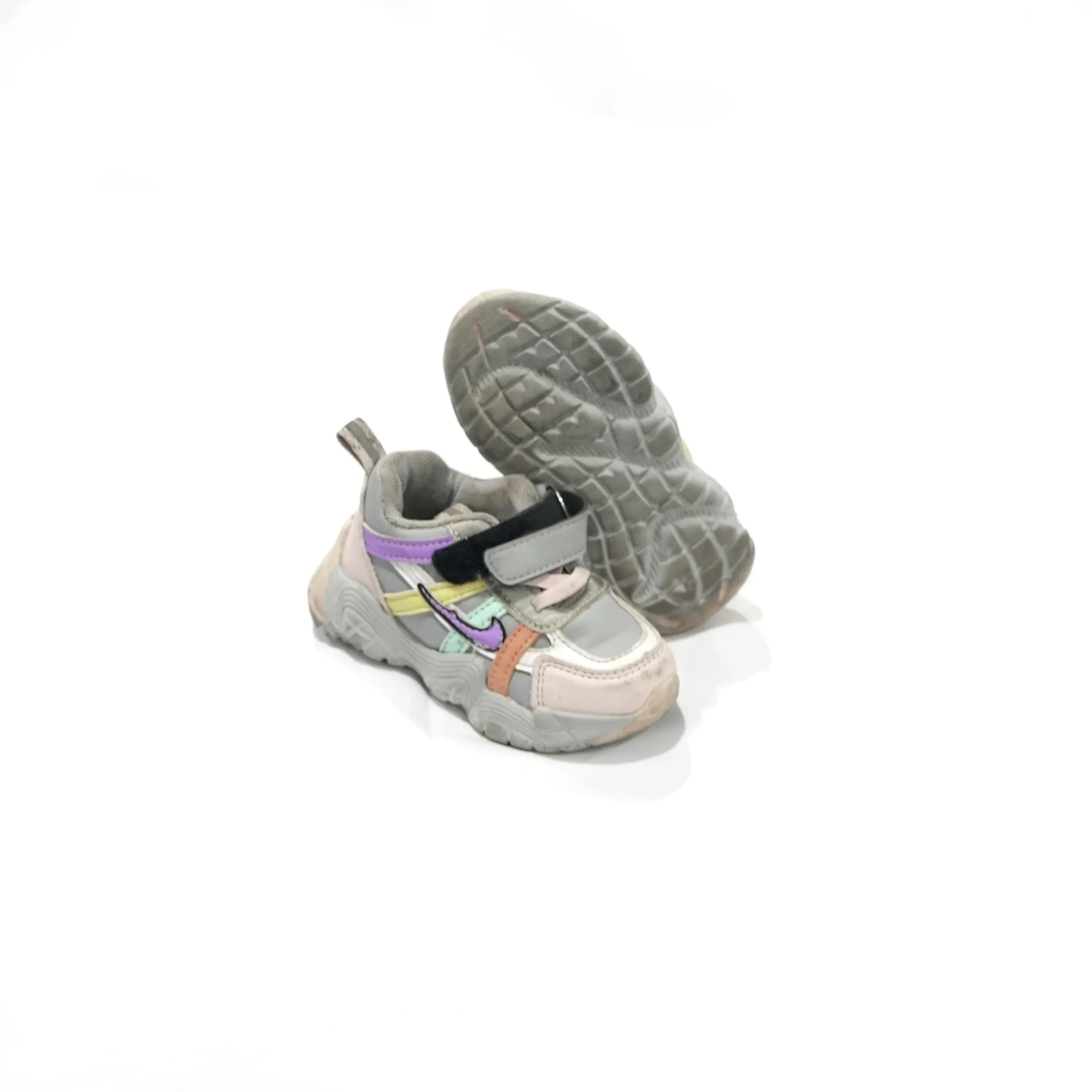
🇨🇳 How Chinese Used Shoes Exporters Are Responding
From our position in Guangzhou, we see Chinese used shoes exporters responding to market consolidation in three ways:
1. Better sorting. The days of mixed “anything goes” shoes bales are ending. Importers increasingly demand sorted, graded, and documented bales — matched pairs, category-specific, with clear quality standards.
2. Consistent bale weights. Standard 25 kg shoes bales with guaranteed pair counts (48-50 mixed, 35 men’s brand, 40 women’s brand, 50 children’s brand) are becoming the industry norm.
3. Transparency as standard. Live video tours, documented bale contents, and buyer references are expected — not optional. Suppliers who cannot provide these are being filtered out by the market.
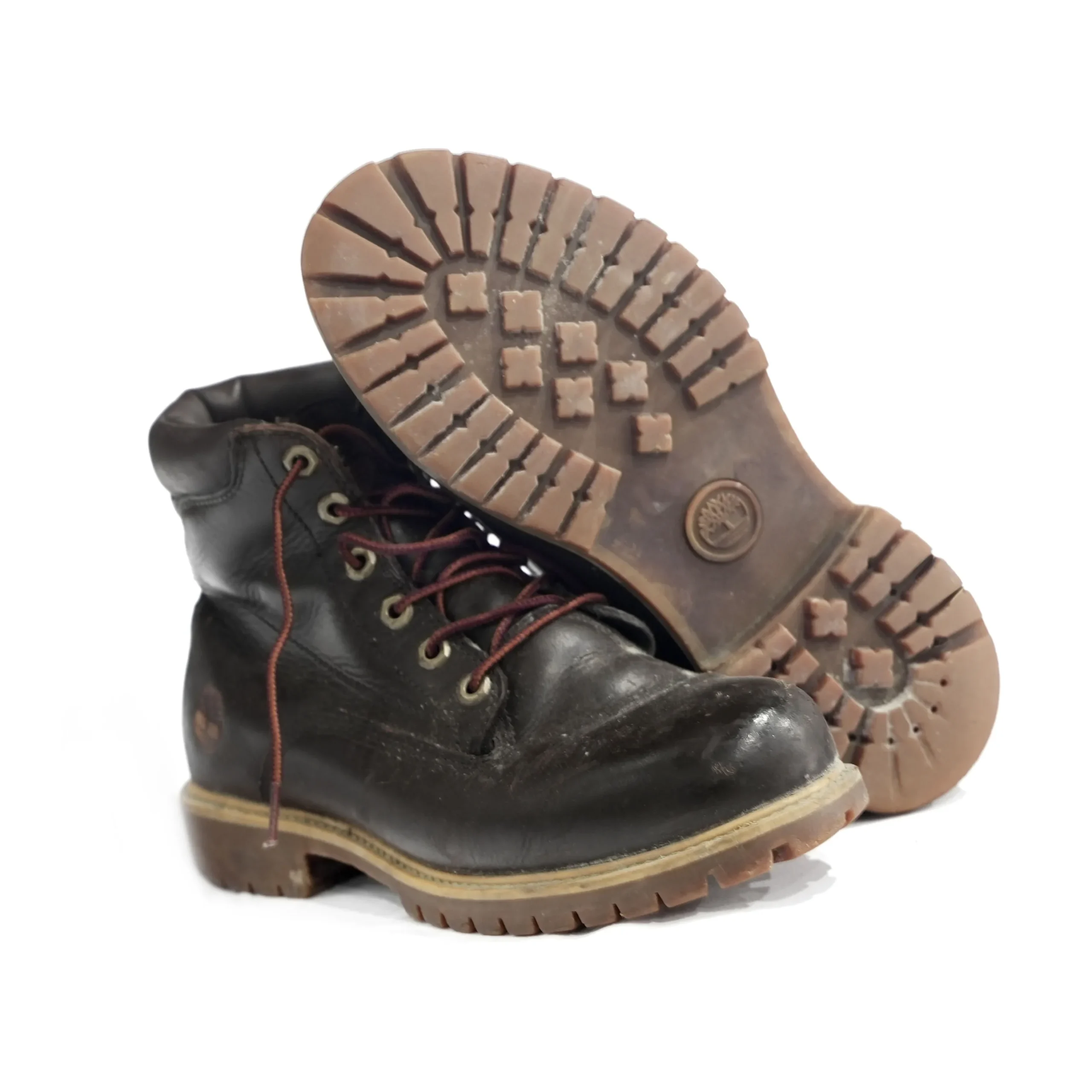
💡 From a Chinese exporter: The used shoes trade is becoming more professional because that is what the market demands. Importers today expect consistent quality, documented grading, and reliable supply — not “maybe good, maybe not.” Suppliers who meet these expectations will be the ones still in business five years from now.
🎯 What Importers Should Do
- 👟 Know your pair counts. Do not buy shoes bales by weight alone. Ask for guaranteed pair counts per bale — 48-50 for mixed, 35-50 for brand-specific.
- 🔍 Demand documentation. If a supplier cannot show you their grading standards, bale composition reports, and live video of their sorting line, find one who can.
- 🌍 Watch regional demand. Southeast Asia and South America are growing footwear markets. If you only serve Africa, consider diversifying.
- 🤝 Choose long-term partners. In a consolidating market, the supplier you build a relationship with today will be your competitive advantage tomorrow.
❓ Frequently Asked Questions
Is the used shoes market growing?
What types of used shoes are in highest demand?
How many pairs of shoes fit in a container?
Are used shoes bales profitable?
How is the used shoes market different from used clothing?
📚 Want to Learn More About Used Shoes Sourcing?
The used footwear market is growing fast — and importers who understand the numbers, the consolidation trends, and the quality standards will capture the most value.
Related reading: